Choosing the right neutral paint can be surprisingly tricky. I’ve been there, staring at dozens of swatches that all look the same until they’re on the wall.
One color that truly stands out is Benjamin Moore Natural Cream (OC-14). It’s soft, warm, and incredibly versatile, making it a favorite for cozy homes and modern spaces alike.
In this blog, I’ll share everything about this beautiful shade, its undertones, how it looks in different rooms, how it compares to other Benjamin Moore colors, and the best color pairings.
You’ll also find tips on where to buy it, how to test it, and ideas for using it in your home. Let’s dive into why Natural Cream Benjamin Moore might be your perfect neutral.
What Is Benjamin Moore Natural Cream (OC-14)?
BM Natural Cream (OC-14) is a light greige, a mix of gray and beige, that brings a calm and cozy feeling to any space.
It sits beautifully between warm and cool tones, making it work well with almost any decor style.
Here are a few quick facts:
| Feature | Details |
|---|---|
| Color Family | Greige / Neutral |
| LRV (Light Reflectance Value) | 64.78 |
| Finish Options | Matte, Eggshell, Satin, Semi-Gloss |
| Average Price | $5.99 (sample) – $30.99 (quart) |
| Best For | Living rooms, bedrooms, kitchens, cabinets |
This color reflects a good amount of light without looking stark white. It keeps rooms feeling bright but still soft and inviting.
The Undertones of Natural Cream OC-14
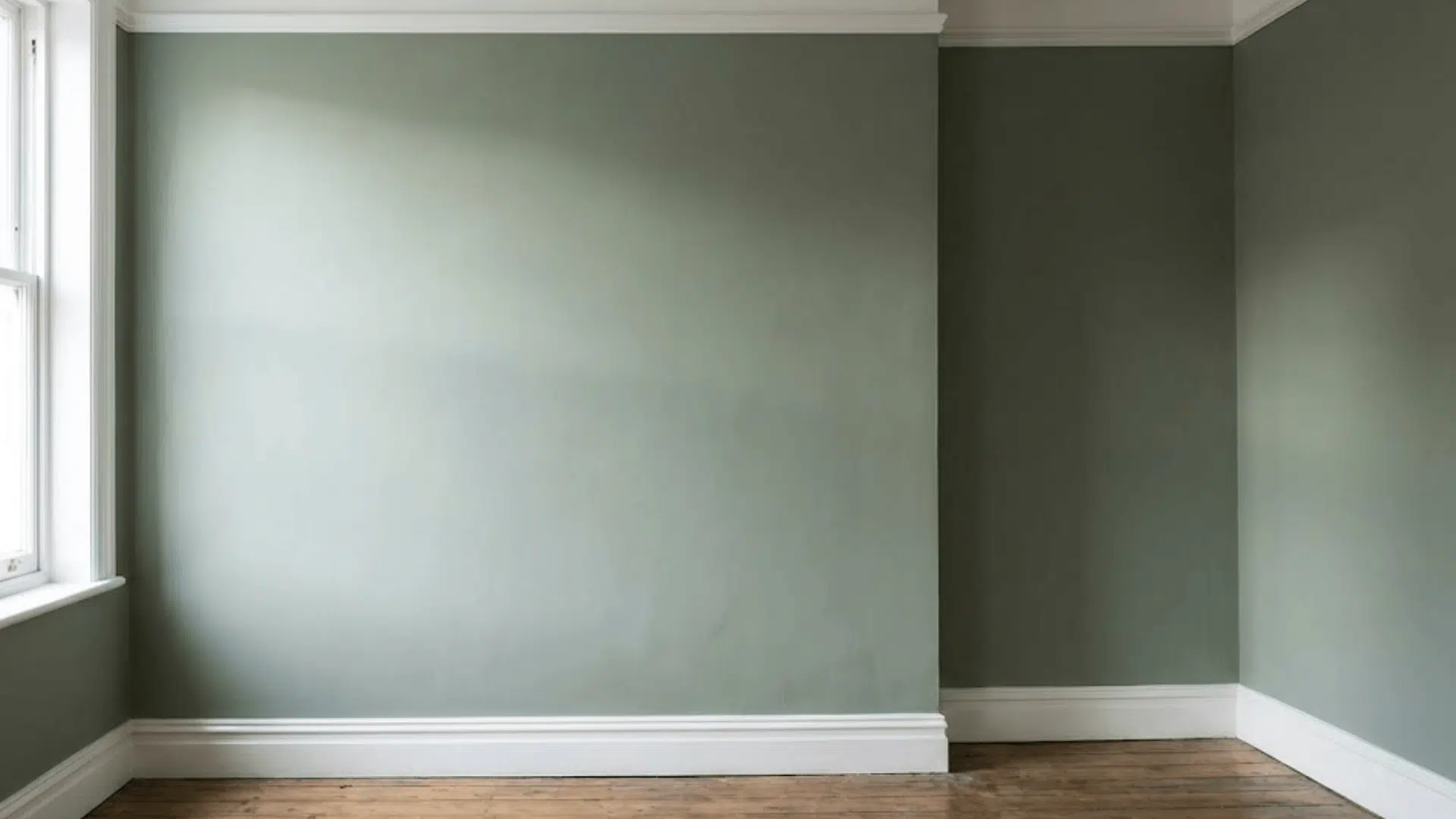
One of the biggest reasons people love Benjamin Moore Natural Cream is its undertones. It’s a warm greige with very subtle green undertones.
That little hint of green keeps it from turning too yellow or pink under certain lights.
Here’s how lighting affects it:
- North-facing rooms: It looks more like a soft gray-beige, giving a cooler feel.
- South-facing rooms: It appears warmer and cozier, leaning slightly toward beige.
- Artificial lighting: The shade looks creamy and balanced, not too dark or too bright.
Quick Tip: If a room gets lots of sunlight, Natural Cream looks lighter. In low-light rooms, it feels a bit more grounded and warm.
Where to Use Natural Cream in Your Home
1. Living Room
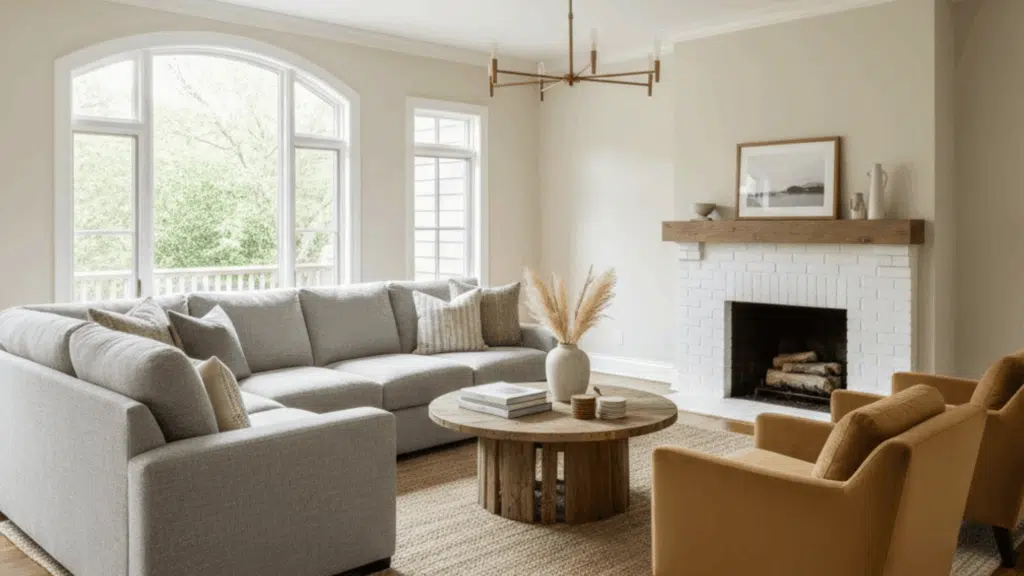
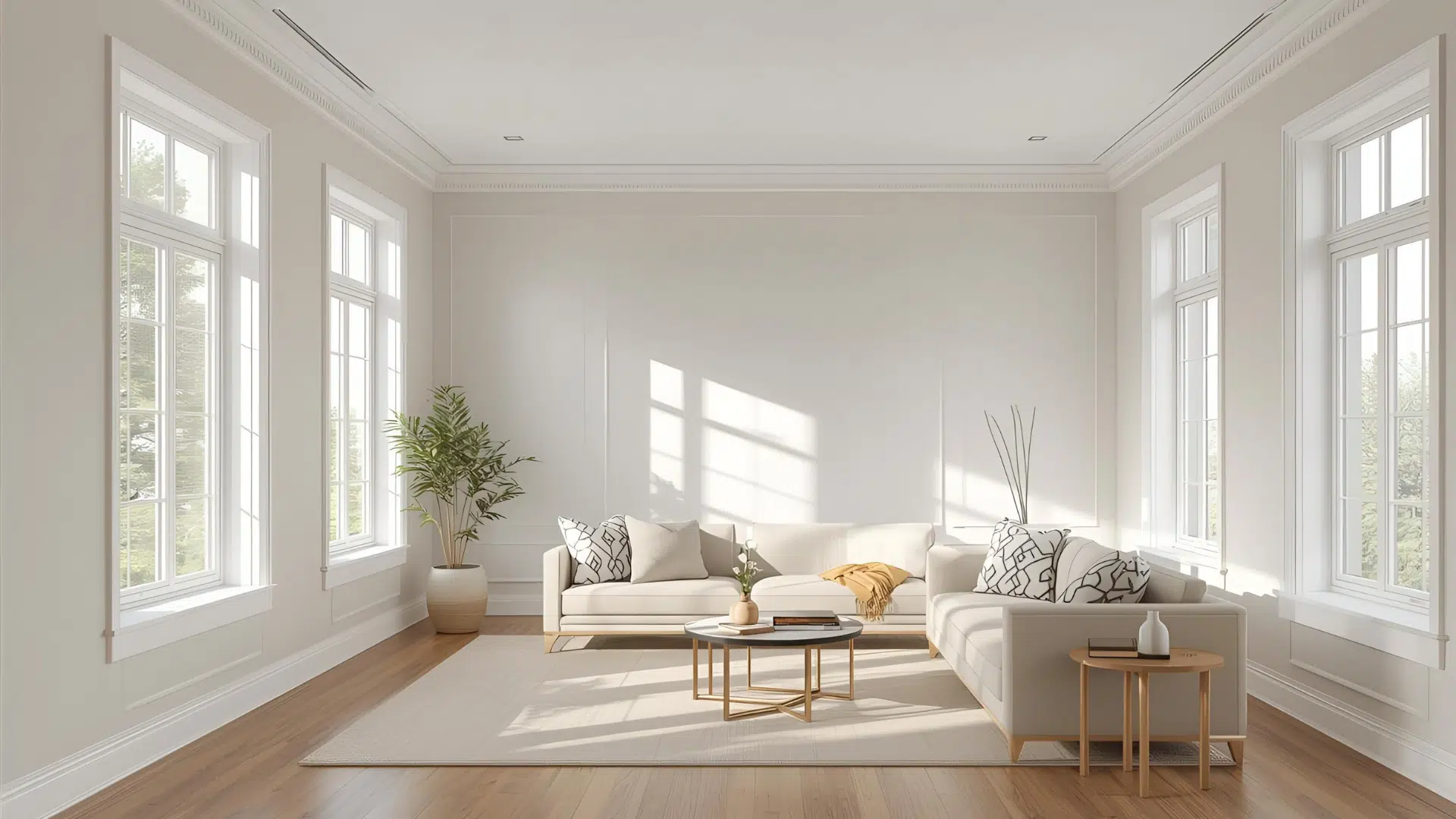
BM Natural Cream creates a peaceful backdrop that blends effortlessly with any style—from modern minimalism to farmhouse comfort. It keeps the space feeling warm and welcoming without overpowering the decor.
- Works beautifully with warm wood furniture, beige upholstery, and textured neutral rugs.
- Add contrast with black metal frames, gold light fixtures, or soft greenery for a balanced, stylish look.
2. Bedroom
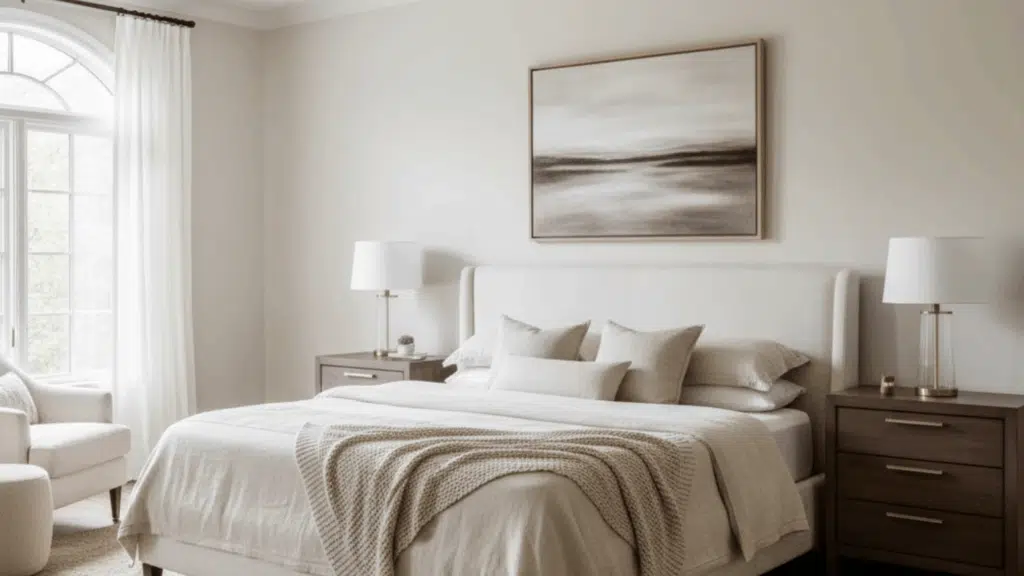
This color turns bedrooms into calm, restful retreats filled with warmth and simplicity. The soft, beige tone adds just enough coziness to help the room feel both modern and soothing.
- Pairs perfectly with white trim, natural linen bedding, and woven rattan textures.
- Layer in warm lighting and light wood furniture to make the space feel relaxing and timeless.
3. Kitchen
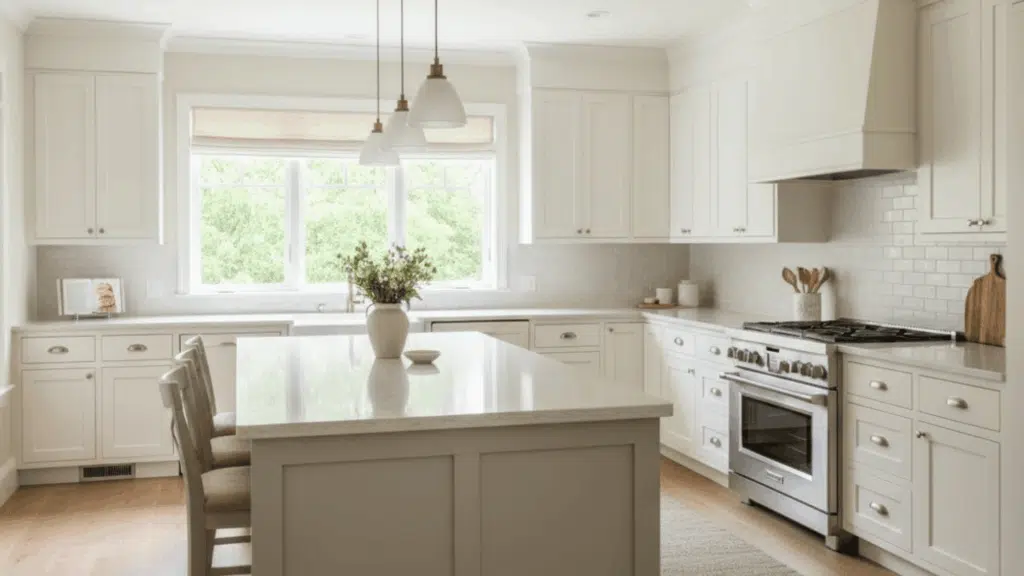
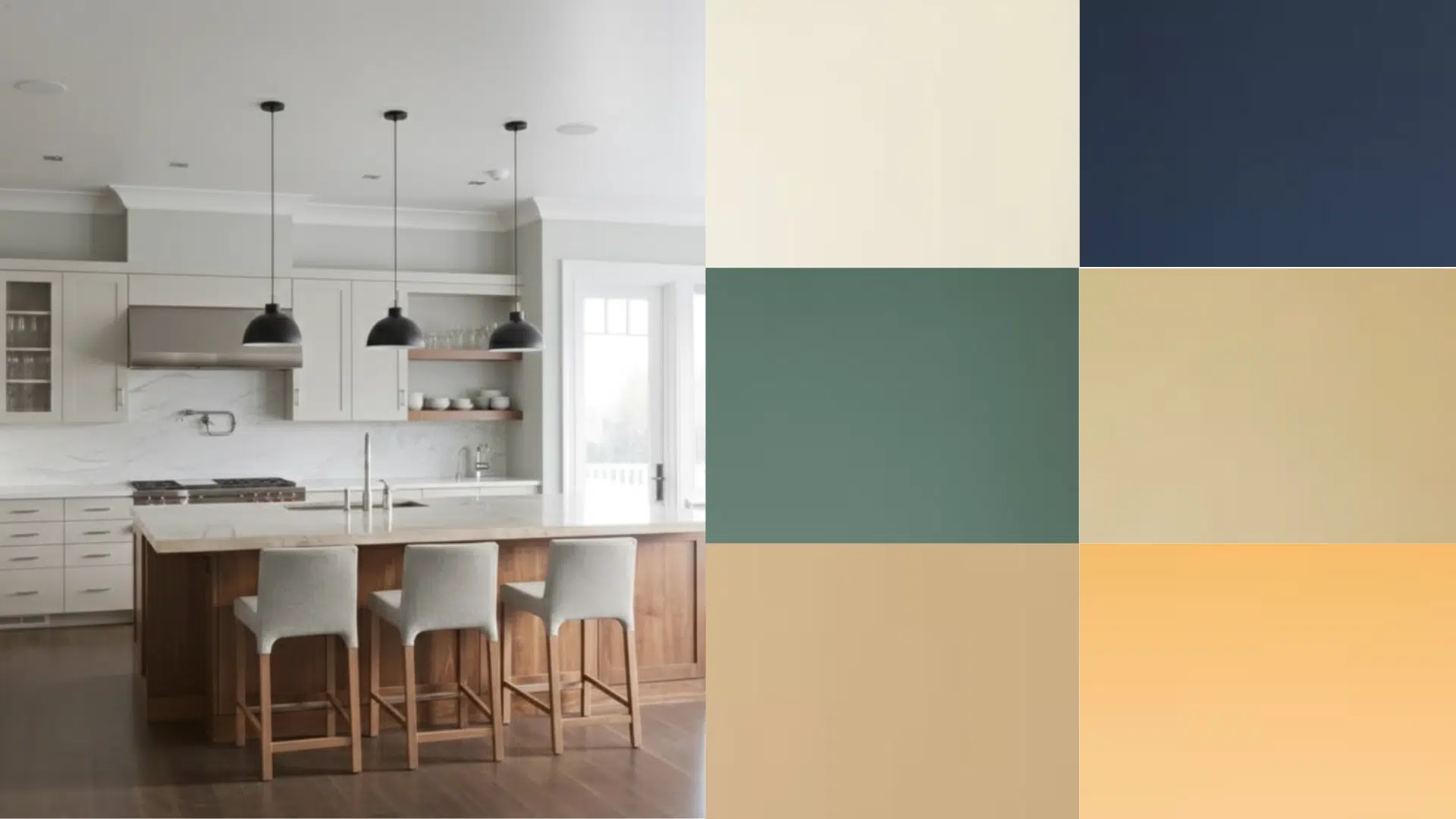
For kitchen cabinets and walls, Benjamin Moore Natural Cream delivers a clean, classic look that never goes out of style. It’s an inviting shade that adds gentle warmth without making the space feel heavy.
- Complements brass hardware, matte black fixtures, and white quartz countertops.
- Blends effortlessly with open shelving, farmhouse sinks, and stainless-steel appliances for a cozy yet modern feel.
4. Bathroom
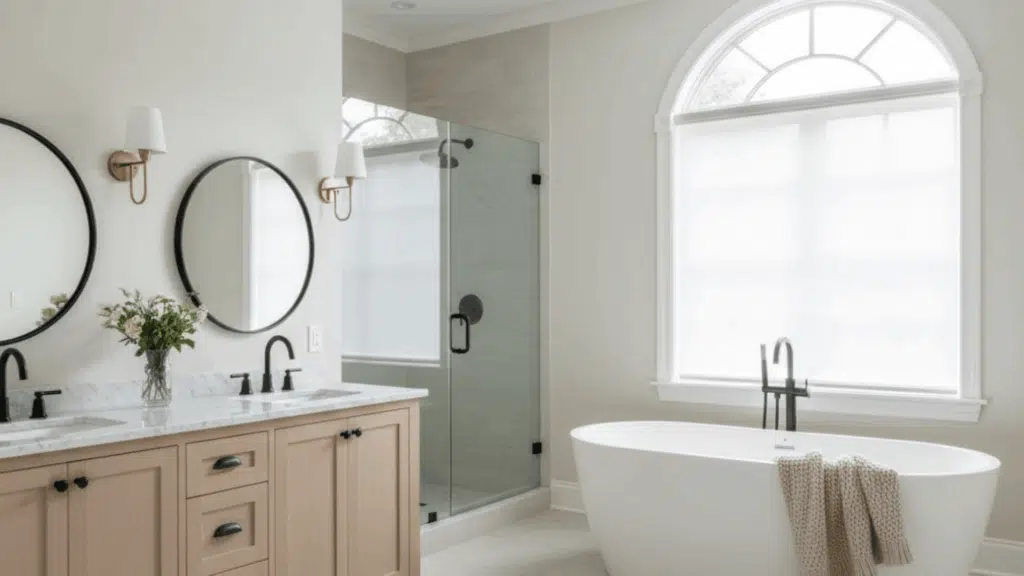
In bathrooms, this greige shade introduces a serene, spa-like atmosphere that feels both refreshing and elegant. Its balanced undertones make it perfect for creating a light, airy retreat.
- Works wonderfully with marble countertops, white tiles, and warm wooden vanities.
- Accentuate the calm with soft beige towels, woven baskets, and brushed-gold fixtures for a luxurious finish.
Natural Cream vs. Similar Benjamin Moore Colors
People often compare Natural Cream OC-14 to other popular shades like Swiss Coffee or Ballet White.
Here’s a quick comparison:
| Paint Color | Undertone | LRV | Temperature | Best For |
|---|---|---|---|---|
| Natural Cream OC-14 | Warm Greige (hint of green) | 64.78 | Neutral-Warm | Versatile spaces |
| Swiss Coffee OC-45 | Creamy white | 83.93 | Warm | Bright, airy rooms |
| Ballet White OC-9 | Beige with gray | 73.54 | Warm-Neutral | Hallways and living areas |
| Edgecomb Gray HC-173 | Beige-gray | 63.09 | Neutral | Modern homes |
| Classic Gray OC-23 | Soft warm gray | 74.78 | Cool-neutral | Small or dim rooms |
Natural Cream sits right in the middle; it’s warmer than gray, cooler than beige, and perfect when you can’t decide between the two.
Colors That Go Well with Benjamin Moore Natural Cream
Pairing colors is where this paint really shines. Natural Cream loves to play nice with many tones, from crisp whites to deep charcoals.
Here are some tried-and-true pairings:
Neutral Companions
- White Dove (OC-17): A soft white that works beautifully on trim.
- Stone Hearth (984): A warm gray that adds contrast to Natural Cream.
- Silver Lake (1598): Cool and modern gray for a balanced palette.
Accent Colors
- Maritime White (OC-5): Adds a coastal feel.
- Winds Breath (981): A lighter neutral for layering walls and trims.
- Silhouette (AF-655): Deep charcoal for dramatic contrast.
Combine Natural Cream walls with white trim, black metal fixtures, and wood floors for a timeless, cozy look that never goes out of style.
Availability and Where to Buy
Ready to try BM Natural Cream in your own space? Here’s where it can be found:
- Benjamin Moore Stores: Available in sample pots, quarts, and gallons.
- Samplize: Peel-and-stick samples for around $6.95.
- Etsy: Curated Natural Cream color palettes and decor guides.
Average Price Range:
- Sample Pot (8 oz): $5.99
- Quart: $25.99–$30.99
- Gallon: Around $60–$70
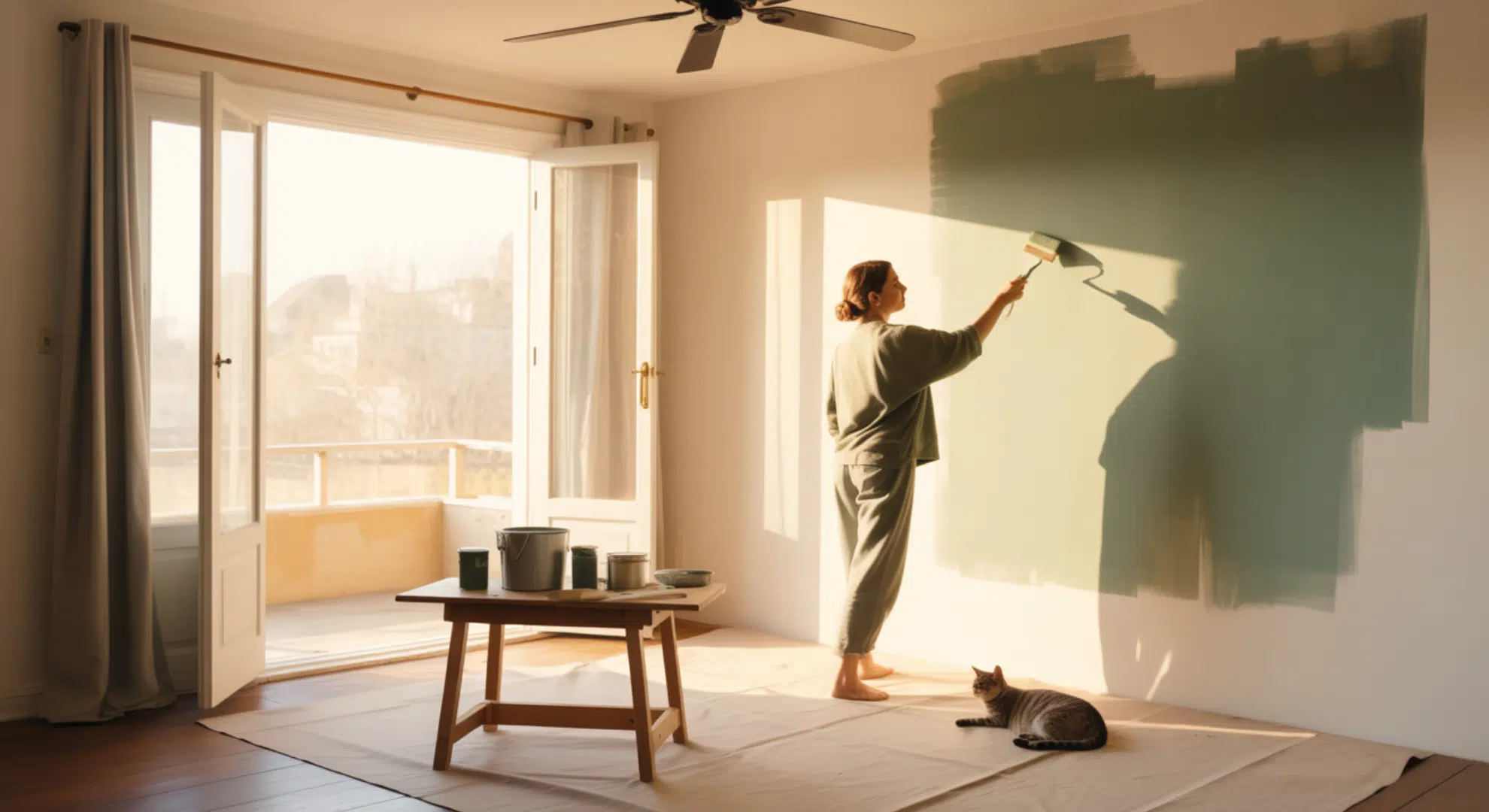
Tip: Always test a sample on your wall first. Paint can look different depending on your lighting and flooring.
Tips for Using Natural Cream Like a Pro
Here are a few helpful design tricks to make the most of this shade:
| Tip | Description |
|---|---|
| Test before painting | Try a large sample board to see how the color looks in both morning and evening light before committing to it. |
| Match your finishes | Use matte or eggshell finishes for walls to create a soft look, and semi-gloss for trims to add subtle contrast. |
| Play with textures | Combine Natural Cream with wood, linen, and other natural materials to create a warm, cozy atmosphere. |
| Contrast smartly | Pair with dark furniture, black fixtures, or metal accents to make the color stand out beautifully. |
| Mind your lighting | Warm bulbs highlight the creamy warmth of the shade, while cool LED lights bring out its gray undertones. |
If unsure, paint a sample on poster board and move it around the room. It’s a safe way to see how the tone changes throughout the day.
Why Natural Cream Benjamin Moore Is So Popular
This paint color has gained a following because it just works. Unlike trendy colors that come and go, Natural Cream remains classic.
Here’s why it stands out:
- Versatility: Works with any style, modern, farmhouse, coastal, or traditional.
- Balance: Neither too warm nor too cool.
- Mood: Feels cozy, welcoming, and timeless.
- Compatibility: Matches a wide range of decor and materials.
It’s one of those shades that make spaces feel bigger, softer, and more elegant—all without being “too much.”
Final Thoughts
After seeing how beautifully Benjamin Moore Natural Cream (OC-14) works in different rooms, it’s easy to understand why so many people love it.
It’s one of those rare paint colors that fits every mood, warm, calm, and endlessly versatile. Whether it’s on walls, cabinets, or trim, it always brings a soft, welcoming feel.
Personally, I think it’s the kind of shade that instantly makes a house feel like home.
If you’re searching for a cozy neutral that never goes out of style, give BM Natural Cream a try, grab a sample today and see how it transforms your space!