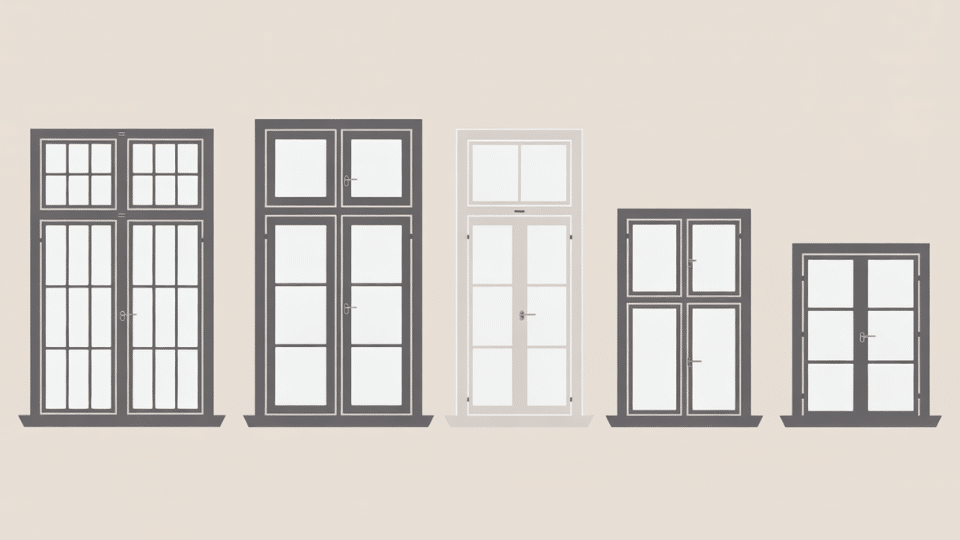
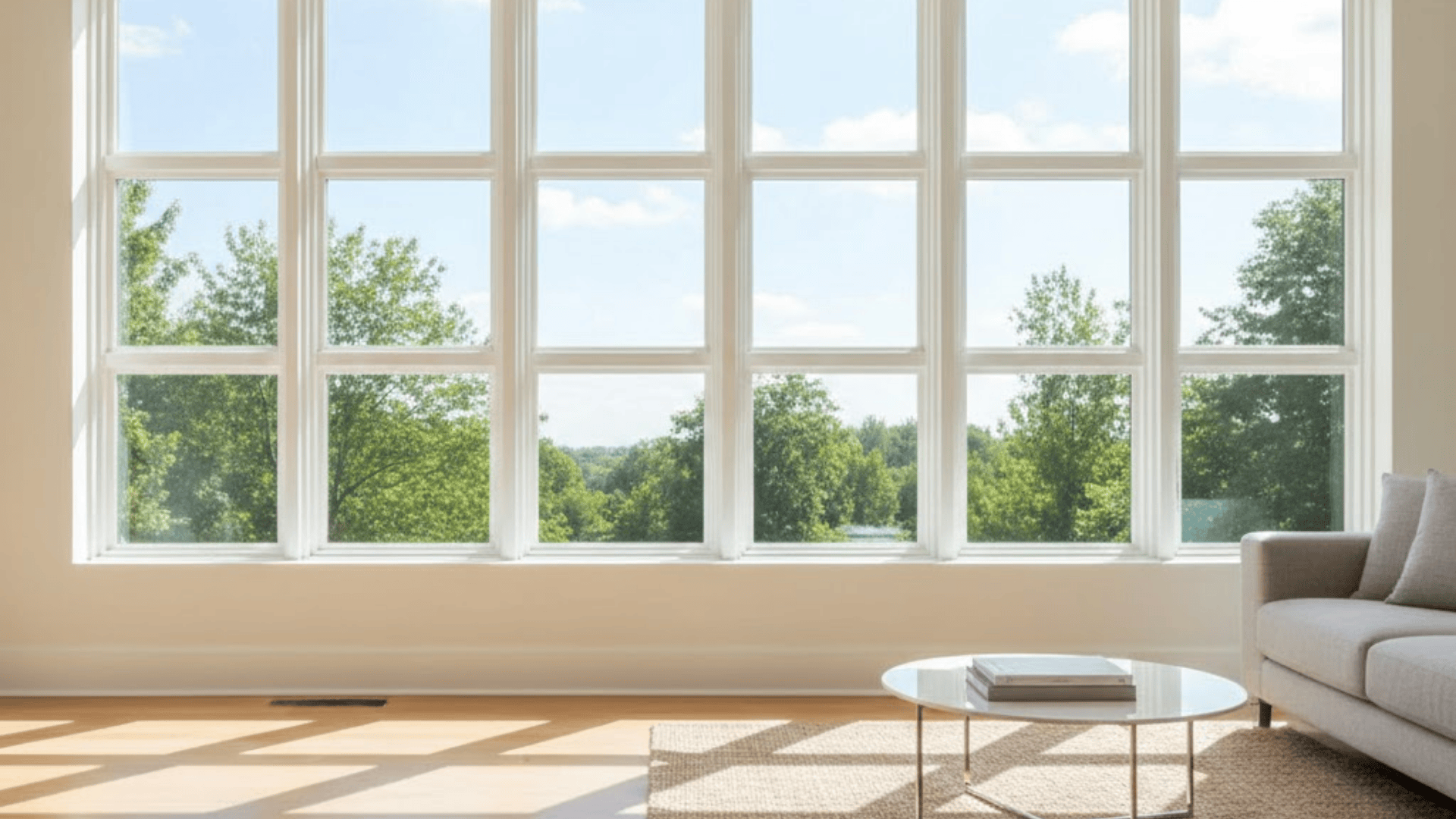
I’ve learned that understanding standard window widths can save you serious headaches and money when building from scratch or replacing old windows.
When I stick with standard sizes, I’m tapping into economies of scale that manufacturers have perfected over decades.
These dimensions aren’t arbitrary; they’re engineered to fit typical wall framing, which means faster installation and lower labor costs.
What I find most valuable is how standardization turns what could be a custom nightmare into a straightforward selection process.
Instead of waiting weeks for special orders, I can choose from readily available options that major manufacturers keep in stock, making my project timeline predictable and my budget manageable.
Understanding Window Sizing Basics
When I first started shopping for windows, the sizing terminology confused me. I quickly realized that understanding the difference between nominal size and actual measurements is crucial.
The rough opening is always larger than the frame to allow for installation adjustments, and the glass size is smaller still.
Most manufacturers use shorthand codes that compress dimensions into four digits, making specifications faster to read once you crack the system.
| Term | Definition | Example |
|---|---|---|
| Nominal Size | Standard rounded dimension used for ordering | 3’0″ x 5’0″ |
| Actual Size | Precise frame measurements (typically ½” smaller) | 35½” x 59½” |
| Rough Opening (RO) | Wall framing space needed (adds ~½”-1″ per side) | 36½” x 60½” |
| Size Code | Four-digit shorthand (width × height in feet/inches) | 3050 |
| United Inches (UI) | Width + Height combined | 96 UI |
Standard Window Widths by Window Type
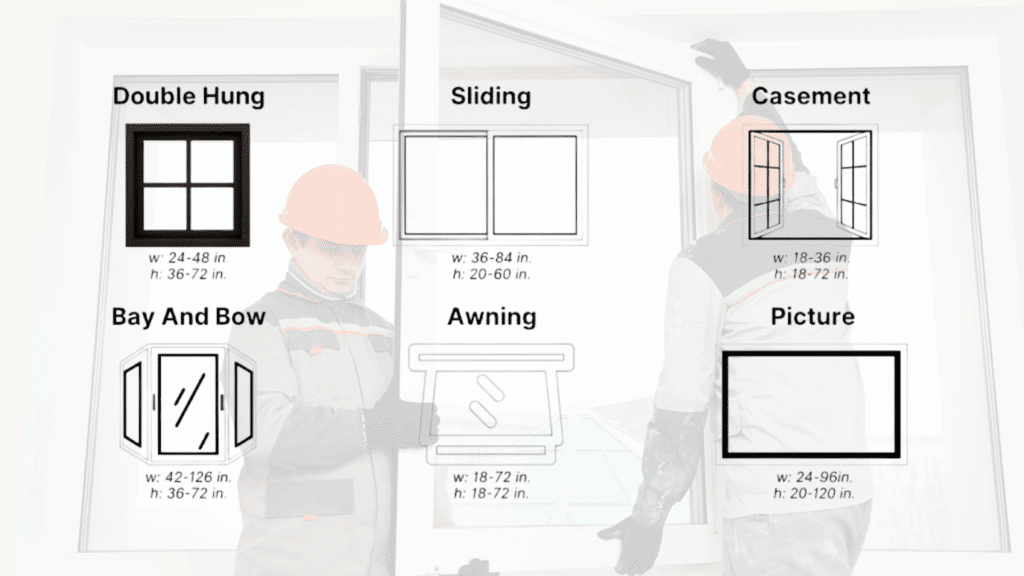
Different window styles come with their own width ranges, shaped by both function and structural limitations.
Knowing these standard measurements helps narrow down options quickly and ensures proper selection for your home’s framing.
1. Single-Hung & Double-Hung Window Widths
Typical Widths: 24″–48″
Common Sizes: 24″, 28″, 32″, 36″, 40″, 48″
These windows offer versatile dimensions that work well in bedrooms, living rooms, and smaller areas. The symmetry of two operable sashes makes them adaptable for almost any room where vertical proportion matters.
Double-hung models allow both top and bottom sashes to open, while single-hung versions keep the top sash fixed for a more economical option.
2. Casement Window Widths
Typical Widths: 17″–35″
Common Sizes: 17″, 20″, 24″, 28″, 32″, 35″
Casement windows suit modern, energy-efficient designs where tight seals are essential. Their hinged design maximizes ventilation in tight spaces like bathrooms, kitchens, or entry doors where wider windows can’t fit.
The crank mechanism creates exceptional compression against the frame, delivering superior air and water infiltration resistance.
3. Sliding/Gliding Window Widths
Typical Widths: 36″–84″
Common Sizes: 36″, 48″, 60″, 72″, 84″
These configure as XO (fixed left, operable right) or OX (operable left, fixed right) depending on needs. Their horizontal orientation suits wide wall spaces with limited vertical clearance, like ranch-style homes or above kitchen counters.
Multi-panel configurations such as XXO or OXO extend the width range even further for expansive openings.
4. Picture Window Widths
Typical Widths: 24″–96″+
Common Sizes: 36″, 48″, 60″, 72″, 84″, 96″
Since picture windows are fixed and non-operable, structural limitations ease up considerably. Manufacturers easily customize widths for large openings, especially for landscape views or natural light in modern designs.
They’re often combined with operable windows on either side to balance ventilation with unobstructed views.
5. Bay & Bow Windows
Typical Bay Widths: 60″–120″
Typical Bow Widths: 90″–144″ (4–6 units)
Bay windows have three angled units; bow windows include four to six in a curve. The final width depends on configuration choice and projection depth, making these windows statement pieces in living rooms and dining areas.
The center unit in bay configurations is typically a fixed picture window flanked by operable casement or double-hung windows.
6. Awning & Hopper Window Widths
Awning Widths: 20″–60″
Hopper Widths: 14″–32″
Awning windows hinge at the top for protected ventilation during rain, while hopper windows hinge at the bottom. These appear most often in basements and bathrooms where space is tight, but ventilation and light remain priorities.
Awning windows can be stacked vertically or placed above doors for added light without sacrificing privacy.
7. Specialty & Custom Window Widths
Typical Range: Fully customizable based on design
Arched, round, triangle, and trapezoid windows break free from standard conventions entirely. Manufacturers accommodate custom sizing because architectural flexibility drives their purpose.
While they cost more and take longer to produce, they achieve distinctive looks that standard rectangles can’t deliver. These shapes often serve as focal points in entryways, gables, or ceilings where architectural drama is desired.
Standard Window Sizes by Room
Room-specific window sizing balances aesthetics, functionality, and building codes.
Understanding typical dimensions for each space helps in planning renovations or new construction while ensuring compliance with safety requirements.
| Room | Typical Width Range | Common Window Types | Key Considerations |
|---|---|---|---|
| Living Room | 48″–96″ | Picture, sliding, double-hung | Larger windows maximize natural light and views; they often serve as focal points |
| Bedroom | 30″–48″ | Double-hung, casement | Must meet egress requirements for emergency exit; minimum 20″ clear width opening |
| Kitchen | 24″–36″ | Single/double-hung, casement | Above-sink placement is common; the width fits between the upper cabinets |
| Bathroom | 18″–36″ | Awning, hopper, casement | Narrow designs prioritize privacy; frosted or textured glass is often used |
| Basement | 20″–36″ (egress) | Hopper, casement, sliding | Egress windows require a minimum 20″ width opening and 24″ height opening for safety |
Note: Egress window requirements vary by jurisdiction, but the IRC (International Residential Code) generally mandates a minimum net clear opening of 5.7 square feet, with no dimension less than 24 inches.
Factors That Influence Window Width Selection
Choosing the right window width involves more than measuring wall space. Several practical and regulatory factors shape the decision, from energy performance to safety codes.
- Architectural Style: Traditional homes favor symmetrical double-hung windows (30″–40″), while modern designs embrace expansive picture or sliding windows (60″+).
- Energy Efficiency & Natural Light Balance: Wider windows increase daylight but can raise heat gain/loss; strategic sizing and glazing optimize both goals.
- Ventilation & View Requirements: Operable window width directly affects airflow capacity; larger fixed widths maximize unobstructed views without ventilation benefits.
- Safety & Egress Codes: Bedrooms and basements require minimum clear opening widths (typically 20″) for emergency exit compliance.
- Budget & Lead Time: Standard widths ship quickly and cost less; custom dimensions add 20–40% to the price and extend delivery by weeks.
Balancing these factors ensures your window selection meets both functional needs and regulatory standards. Prioritize code compliance first, then adjust width choices based on style preferences and budget constraints.
Standard Window Widths by Major Brands
Major window manufacturers offer similar width ranges but organize their product lines differently. Understanding how leading brands structure their sizing helps when comparing quotes or shopping across multiple suppliers.
1. Andersen Windows
Andersen organizes its window widths across three main product tiers, each offering progressively broader customization options and material choices.
- 100 Series: Budget-friendly Fibrex composite line with widths from 24″–72″, covering standard residential applications.
- 200 Series: Mid-range vinyl and wood options spanning 24″–84″, balancing affordability with expanded size flexibility.
- 400 Series: Premium wood and composite line offering 18″–96″ widths with the most extensive customization capabilities.
2. Pella Windows
Pella’s product lines cater to different price points while maintaining consistent quality standards across their width ranges.
- Lifestyle Series: Value-focused vinyl windows with 24″–72″ standard widths, ideal for straightforward replacements and new construction.
- Encompass Series: Enhanced vinyl line spanning 24″–84″ with upgraded features and broader sizing flexibility for varied applications.
- Architect Series: High-end wood and fiberglass options from 18″–96″+, designed for custom projects requiring unique width specifications.
3. Jeld-Wen & Milgard Windows
Both Jeld-Wen and Milgard provide comprehensive width ranges across vinyl, wood, and fiberglass materials to suit regional preferences.
- Jeld-Wen: Premium vinyl (24″–72″), premium wood (20″–84″), and Siteline architectural wood/clad (18″–96″) cover standard to custom applications.
- Milgard StyleLine/Tuscany: West Coast-focused vinyl options ranging 24″–72″ (StyleLine) to 24″–84″ (Tuscany) for standard residential needs.
- Milgard Ultra/Essence: Premium fiberglass lines offering 20″–96″ widths with custom configurations for high-performance installations.
Width availability varies by window type and specific model within each product line.
Always confirm exact sizing options with your local dealer, as regional inventory and manufacturing capabilities can affect what’s readily available versus requiring custom orders.
When to Choose Custom Window Sizes?

Custom window widths solve specific architectural challenges that standard sizes can’t address. Understanding when customization justifies the added expense helps make informed decisions for your project.
- Irregular or Non-Standard Openings: Older homes with off-dimension framing require custom widths to avoid costly structural modifications.
- Historic Preservation Requirements: Period-appropriate proportions often fall outside modern standard ranges, necessitating custom fabrication for authenticity.
- Oversized Architectural Features: Floor-to-ceiling windows or expansive glass walls demand custom widths beyond typical 96″ maximums.
- Cost vs. Reframing Trade-off: Custom windows add 20–50% to costs but may be cheaper than extensive wall reconstruction.
- Manufacturer Limits: Most brands cap custom widths at 120″–144″; exceeding these requires specialized fabricators with longer lead times.
Custom sizing makes sense when standard windows force expensive structural work or compromise design vision.
Window Size Charts (Non-Manufacturer Specific)
General window width charts provide a quick reference for planning purposes across all major window types. These nominal sizes represent industry-standard dimensions available from most manufacturers.
| Nominal Code | Double-Hung | Casement | Sliding | Picture | Awning |
|---|---|---|---|---|---|
| 1-6 | — | 17½” | — | — | — |
| 2-0 | 23½” | 23½” | — | — | 23½” |
| 2-4 | 27½” | 27½” | — | — | — |
| 2-8 | 31½” | 31½” | — | — | 31½” |
| 3-0 | 35½” | 35½” | 35½” | 35½” | 35½” |
| 3-6 | 41½” | — | — | — | — |
| 4-0 | 47½” | — | 47½” | 47½” | 47½” |
| 5-0 | — | — | 59½” | 59½” | 59½” |
| 6-0 | — | — | 71½” | 71½” | — |
| 7-0 | — | — | 83½” | — | — |
| 8-0 | — | — | — | 95½” | — |
Note: Actual widths shown; rough openings typically add 1″ for installation clearance.
These are general guidelines that vary by manufacturer and material. Always verify exact measurements and rough opening requirements with your specific window supplier before ordering or framing.
How to Measure for a Replacement Window?
Accurate width measurements ensure proper fit and avoid costly ordering errors. Taking multiple measurements at different points accounts for settling or warping in existing frames.
- Step 1: Record dimensions at the top, middle, and bottom of the opening from jamb to jamb, then use the smallest measurement.
- Step 2: Take measurements from the inside edge of the existing frame, not the exterior trim or siding.
- Step 3: Check for protruding hardware, locks, or trim that might interfere with the new window’s width.
- Step 4: Always order based on the narrowest width measurement to ensure the replacement fits without forced installation.
- Step 5: Measure diagonals corner-to-corner; if they differ by more than ¼”, the opening may need professional assessment.
For standard rectangular openings in good condition, DIY measuring is straightforward with careful attention to detail.
If openings are severely out of square, show signs of structural damage, or involve complex configurations like bays or bows, professional measurement ensures accuracy and identifies potential installation challenges before ordering.
Cost Implications of Window Width
Window width directly impacts material costs, with each additional foot adding 15–25% to the base price due to increased glass, frame material, and structural reinforcement requirements.
Vinyl windows offer the most budget-friendly option across all widths, while fiberglass and wood command premium pricing that escalates more steeply for wider units.
Installation costs also rise with width; windows exceeding 60″ typically require two-person crews and specialized equipment, adding $100–$300 per opening.
To save on wide window installations, consider splitting large openings into multiple standard-width units, opt for fixed picture windows instead of operable styles, or choose vinyl over wood for comparable performance at lower cost.
The Bottom Line
After reviewing standard window widths thoroughly, I’ve seen how proper measurements turn complicated projects into straightforward decisions.
Whether I’m selecting a double-hung window for a bedroom or a slider for my living room, understanding these dimensions saves significant time and budget.
I’ve learned that standard window width options cover most residential needs, but custom solutions exist when architecture demands it.
Have questions about sizing for your specific project? Drop a comment below. I’d love to help you with your window selection process.