I remember standing in my grandfather’s garage, staring at an old radio. The wood was chipped, the knobs were loose, but something about it felt special.
It didn’t just look old; it felt like it had lived through something. That’s when I first wondered: how old is vintage?
Now you’re here, probably asking the same thing. Maybe it’s a jacket in your closet, a chair at a yard sale, or your dad’s record player.
You want to know if it’s just old or actually vintage. The lines can be blurry, and the answers aren’t always what you’d expect.
So let’s break it open. You’ll find answers, yes, but also a few questions you didn’t know you had.
Why Everyone Defines ‘Vintage’ Differently
The word “vintage” doesn’t have just one meaning. That’s why people use it in different ways. For someone who loves fashion, vintage might mean clothes from 20 to 30 years ago.
For a car lover, it could mean a vehicle from the 1920s or 1930s. When it comes to furniture, people might call something vintage if it’s at least 40 years old.
It really depends on what you’re talking about and who’s talking. Age matters, but so does style, quality, and history.
Some people use “vintage” to mean “classic” or “cool,” even if the item isn’t that old. Others are more strict and want clear rules.
There’s no single answer, and that’s what makes it tricky. One person’s vintage treasure might be another person’s old junk.
Knowing this helps you understand why the word means different things to different people and why it keeps changing.
How Old is Vintage?

Most people agree that something is called “vintage” if it’s between 20 and 99 years old. It’s not brand new, but it’s not ancient either. That puts it right between modern and antique.
But “vintage” doesn’t just mean old. It means something that shows what a certain time in history looked or felt like. It’s like a snapshot of a past era.
A vintage item should carry the look, feel, or style of its time; something that stands out as part of that decade or generation.
So, age is just one part of it. A sweater from the 1980s, a chair from the 1960s, or a camera from the 1950s might all be vintage, but only if they still show what made that time special.
That’s what makes vintage different from just plain “used” or “old.”
Antique vs. Vintage: What’s the Real Difference?
When people talk about old things, they often mix up the words “antique” and “vintage.” But they don’t mean the same thing.
Antiques are usually kept for their history. They’re older, rarer, and often collected. Vintage items, while not as old, are saved because they remind us of a certain time.
They show off past design, but they also feel more usable today. Think of it like this: one feels like a museum piece, the other feels like something your grandparents actually used.
| Type | Age Range | Example | Why People Keep It |
|---|---|---|---|
| Antique | 100+ years | 1920s armchair | Hard to find, holds deep history |
| Vintage | 20–99 years | 1970s fabric chair | Stylish, full of memory and class |
One honors the past. The other brings it back to life.
Vintage vs. Retro: How They’re Not the Same
It’s easy to mix up vintage and retro, but they mean different things. Retro refers to new items that are made to look like they’re from the past.
For example, a brand-new record player designed to look like one from the 1970s is retro. It has the style, but not the age.
Vintage, on the other hand, is the real deal. It’s something that was actually made at that time and has aged naturally.
It shows signs of wear, old materials, and past designs, not because someone copied it, but because it lived through that time.
Here’s how to spot the difference:
- Fashion: A shirt made in the 1980s is vintage. A brand-new shirt with an 80s pattern is retro.
- Furniture: A plastic chair from 1965 is vintage. A new chair shaped like one from the 60s is retro.
Retro copies. Vintage remembers.
What Vintage Means in Different Categories
Vintage means different things in different areas. What counts in fashion might not count in cars or jewelry. Here’s a quick look at how vintage is defined across popular categories:
Fashion and Clothing

Once clothing hits the 20-year mark, it often counts as vintage, especially if it reflects the style of its time.
- Check labels: Older tags often have fonts, countries, or sizes no longer used.
- Feel the fabric: Vintage clothes may feel thicker or stitched by hand.
Furniture and Home Decor

Furniture from 20 to 99 years old is usually vintage if it shows clear signs of a past design era.
- Spot key styles: Think mid-century modern, 70s rattan, or 60s bold patterns.
- Check build: Real wood, older screws, and wear in the right places are good signs.
Cars

The car world uses strict timelines. “Vintage” usually refers to cars made from 1919 to 1930.
- Know the terms: Classic (20–40 years), antique (45–50+), vintage (1919–1930).
- Original parts matter: Vintage cars are valued more if they’ve stayed close to how they were built.
Jewelry and Collectibles

Vintage jewelry and collectibles tell stories through style, materials, and age.
- Learn the labels: Estate = used, vintage = 20–99 years, antique = 100+.
- Look for meaning: Items tied to trends, events, or pop culture hold more value.
How to Identify a True Vintage Item
Some things may look vintage, but that doesn’t always mean they are. True vintage items often have details that copies or re-creations miss. It’s not just about being old: it’s about being real.
Many vintage items were made before large-scale mass production. That means there might be small flaws or hand-finished parts. These small details give away the truth.
Here are a few signs to look for:
- Hand stitching or hardware: Machine-perfect work is often a newer sign.
- Old-style zippers, buttons, or screws: These change over time and can help show the age.
- Faded tags or logos: Older brands often changed names or styles as the years passed.
True vintage items feel like they came from a world that no longer exists. When you know what to look for, spotting the real thing becomes easier and more fun.
Why Vintage Matters More Than Ever
Vintage items give people something they often can’t find in newer things. One reason is originality. Many vintage pieces were made before mass production took over, so they have small details that make them stand out. They don’t follow current trends. They follow their own style, which makes them more personal and unique.
Another reason is sustainability. Choosing vintage means using what already exists. It reduces waste and lowers the need for new materials. People who care about the planet often look to vintage as a smarter way to shop.
Vintage also offers something deeper. It invites you to slow down, to look closer, and to choose things with meaning. You’re not just buying an object. You’re choosing something with a past—and giving it a future. That mix of purpose and personality is why vintage continues to matter to so many people.
Items From the 2000s that are Becoming Vintage
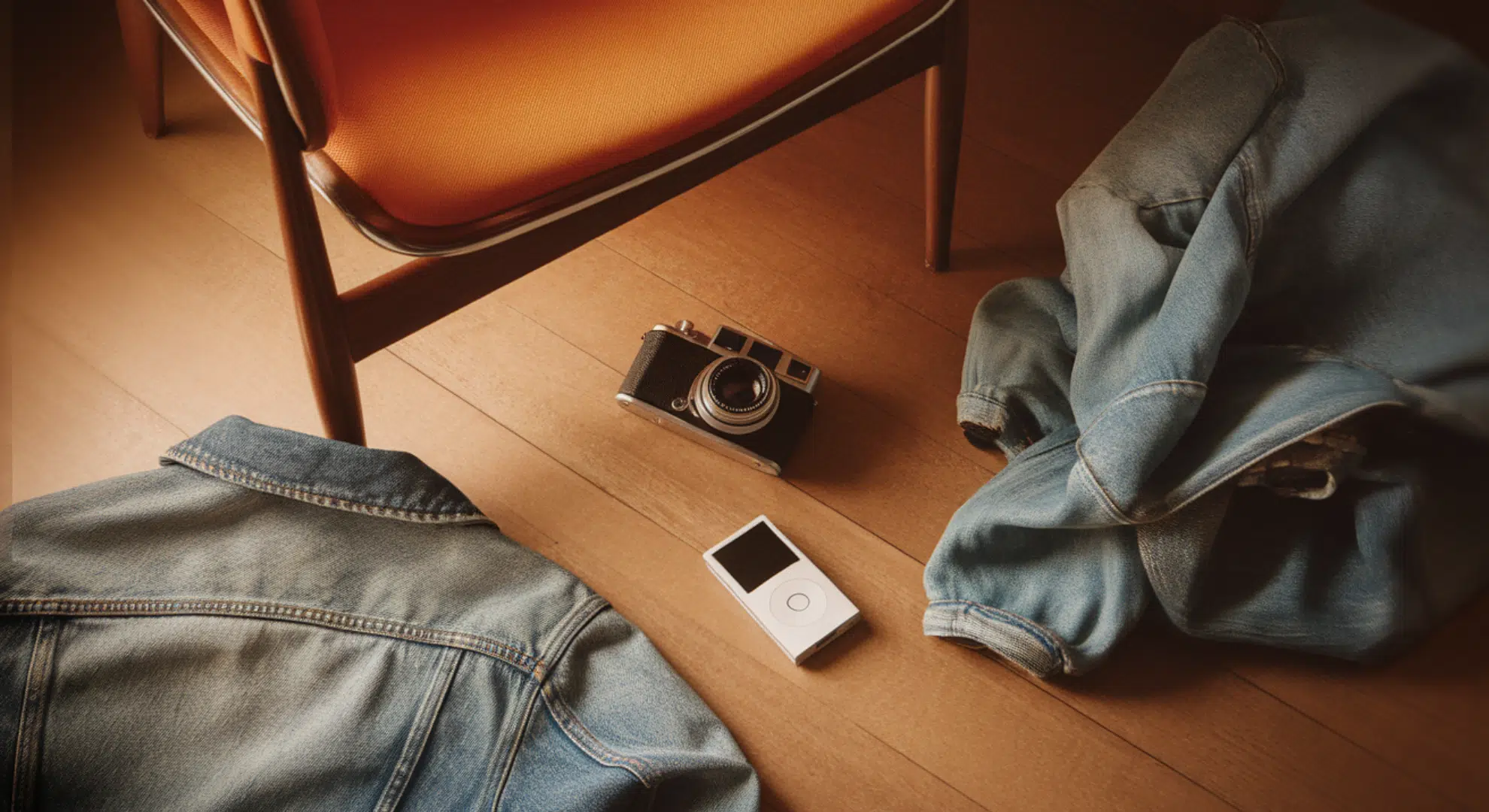
It might feel strange, but things from the early 2000s now count as vintage. That includes first-gen iPods, flip phones, low-rise jeans, and even early game consoles like the PlayStation 2.
These items are over 20 years old, which means they fall into the modern-vintage category.
What sets them apart is the mix of tech, fashion, and pop culture. Many were part of daily life, and now they feel like reminders of a different time.
People who grew up with these things are now adults, and they’re starting to look back with interest and even nostalgia.
As more items from the 2000s age, others will join the list. Early smartphones, digital cameras, and even DVD players could soon be seen as vintage too.
Paying attention to design, use, and impact helps guess what might be next. If it shapes a moment, it might soon earn the label.
Conclusion
I used to think vintage just meant old. But now I see it’s more than that. It’s about age, yes—but also style, purpose, and memory.
Learning how old vintage is helped me notice the small things that make an item worth keeping. I pay more attention now to what I find and what I already own.
You can do the same. Look at your stuff with fresh eyes. That old jacket or phone might be more meaningful than you thought. Use what you’ve read here to check, think, and maybe even start your own vintage search.
One last thing: if it makes you pause, it probably has a story.
Want more tips and simple breakdowns like this? Go read other blogs on the website to keep learning and spotting what’s truly worth holding on to!