Did spilled paint ruin the look of your concrete driveway or garage floor? I’m here to show you how to remove paint from concrete without feeling overwhelmed or confused.
Paint seeps deep into the concrete’s porous surface, making removal trickier than you might expect initially. The good news is that the right method can restore your concrete to its original condition.
You just need patience, proper materials, and a clear plan before starting the project. Whether the paint is fresh or years old, effective solutions exist for every situation.
Different paint types require different approaches, but success is achievable with the right techniques. I’ll walk you through everything so you can restore that paint-stained concrete to a clean surface.
The Challenge of Removing Paint from Concrete
Concrete is porous, meaning it has tiny holes that absorb liquids like a sponge. When paint touches concrete, it seeps into these small openings and hardens there.
This makes paint removal much trickier than scraping it off smooth surfaces like wood or metal. Different removal methods work better depending on the paint type and its age.
Fresh paint comes off easier than paint that’s been sitting for years. Oil-based paints penetrate deeper than latex paints and require stronger chemicals to remove.
People often discuss this frustrating problem on home improvement forums and community threads. Many homeowners share their struggles with stubborn driveway or garage floor paint. The key is using the right technique for your specific situation.
Material You’ll Need to Get Paint Off of Concrete
Gathering the right materials before you start makes the job go smoothly and saves time. Having everything ready prevents frustrating mid-project store runs. Here’s what you’ll need for this paint removal project:
| Material | Estimated Cost |
|---|---|
| Paint stripper gel | $30-$60 per gallon |
| Plastic sheeting | $10-$25 per roll |
| Plywood or 2×4 boards | $15-$40 (depends on size) |
| Pressure washer | $100-$400 (rental or purchase) |
| Extra gas for the pressure washer | $5-$15 per tank |
| Stiff brush | $8-$20 |
| Water hose | $15-$40 |
| Debris-catching snakes or absorbent barriers | $10-$30 |
Most of these materials are reusable for future projects around your home. Investing in quality tools now pays off when you tackle similar concrete cleaning jobs later.
NOTE: Total project cost ranges from approximately $200 to $650, depending on whether you rent or buy equipment and the surface size you’re cleaning.
How to Remove Paint from Concrete: Step-by-Step Guide
Removing paint from concrete takes patience and the right approach for clean results. Follow these four steps to strip away old paint safely and effectively:
Step 1: Apply a Thick Coat of Paint Stripper
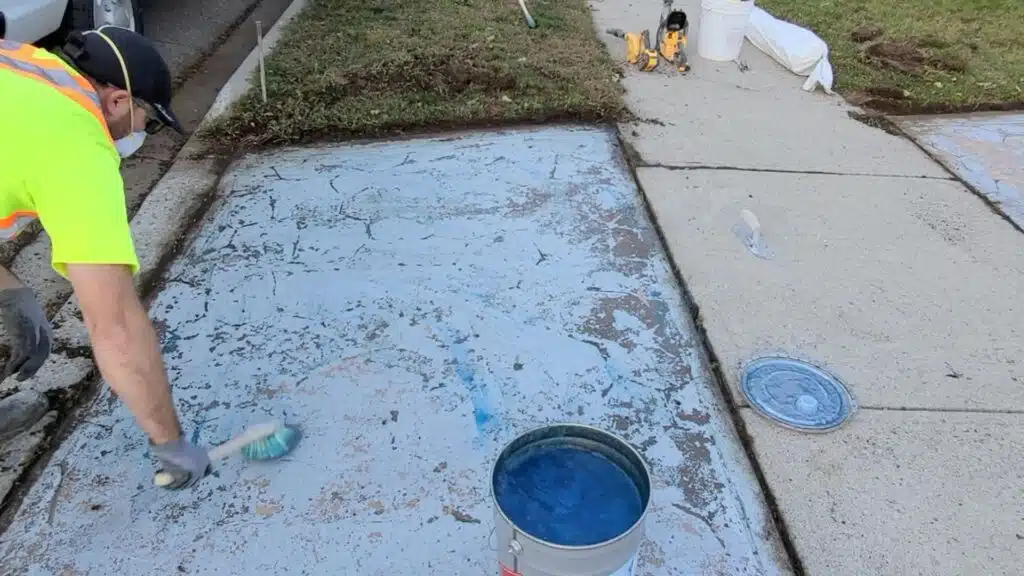
Use a gel paint stripper because it sticks to concrete and works well on thick paint. Spread a heavy coat over the entire area and work quickly.
The gel needs to stay wet so it can soften old paint. A thick and even layer helps loosen deep paint patches. This first step sets the stage for good results.
Step 2: Cover the Stripper and Let It Sit
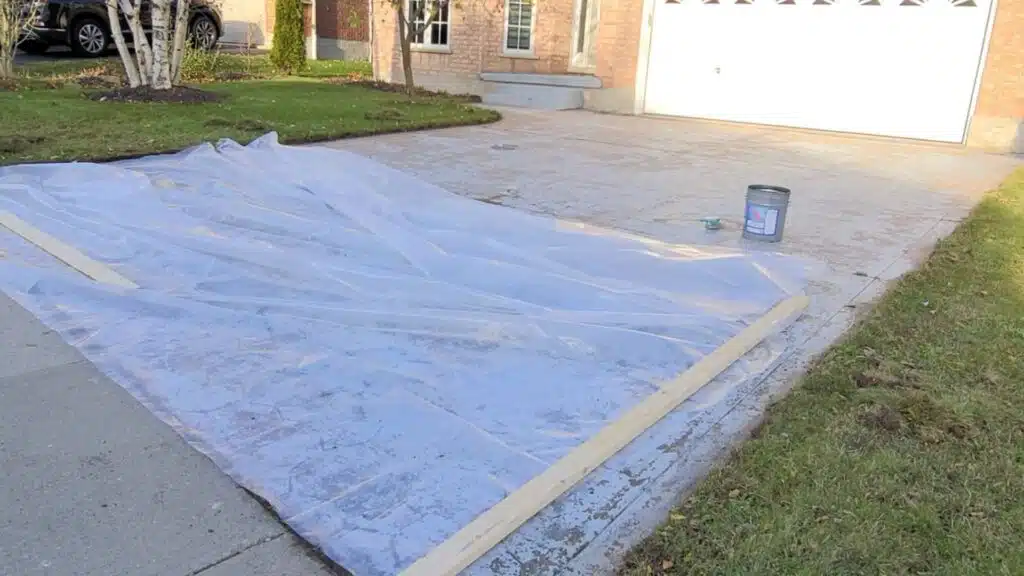
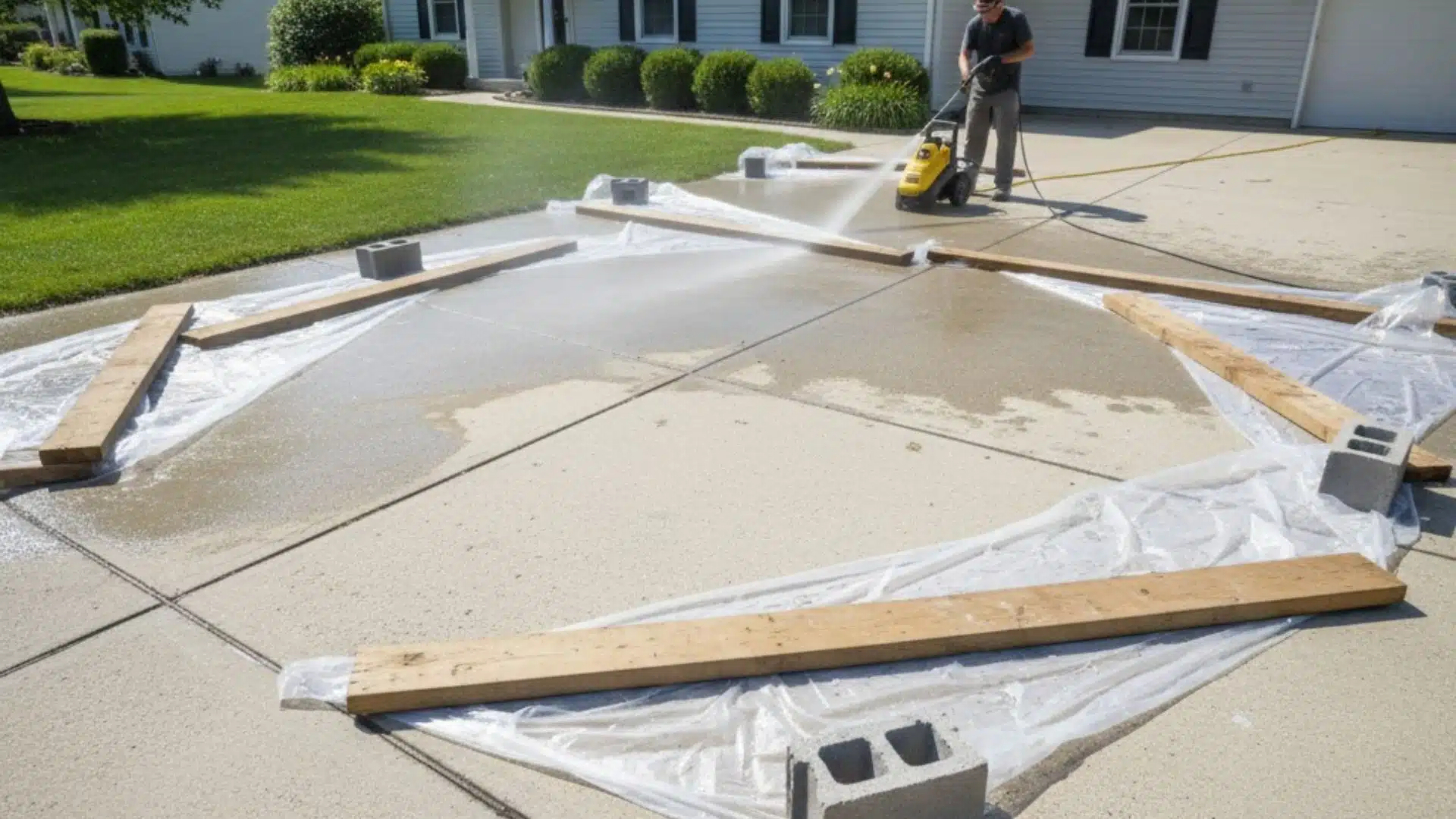
Place plastic sheets over the wet gel right after applying it. This keeps the product from drying too fast on warm days.
Hold the sheets down with plywood or 2×4 boards so they stay in place. The covered gel needs time to soften the paint. Let it sit during cooler hours for the best results. Proper soak time makes washing easier.
Step 3: Power Wash the Surface Slowly and Evenly
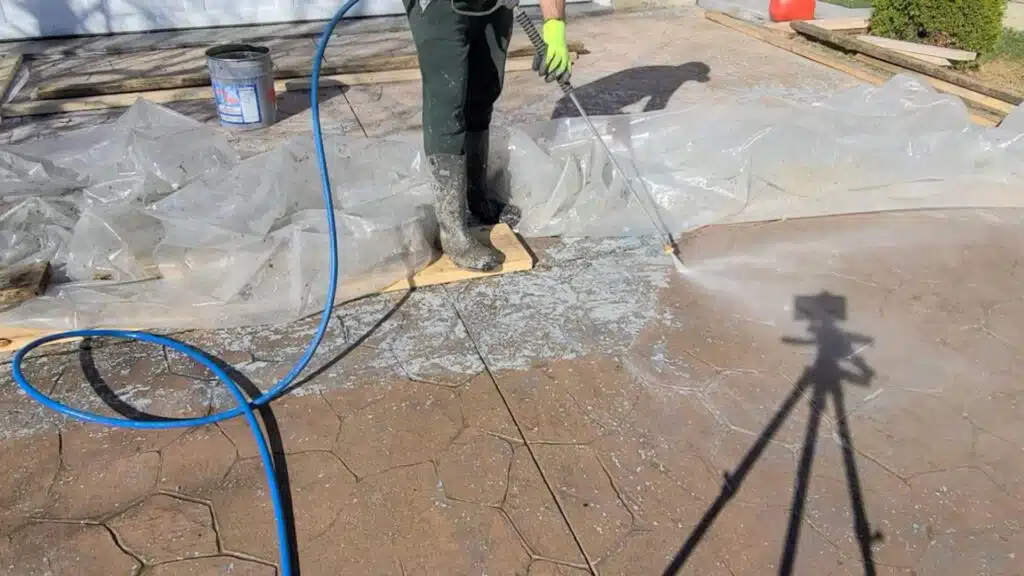
Remove the plastic once the paint softens, then wash right away. Make sure your pressure washer has enough fuel before you begin. This step can take hours, so prepare for steady work.
Move the spray wand slowly to lift the softened paint from the concrete. Keep your strokes even to avoid streaks. This will clear most of the loose paint.
Step 4: Revitalize the Concrete with A Fresh Color Coat
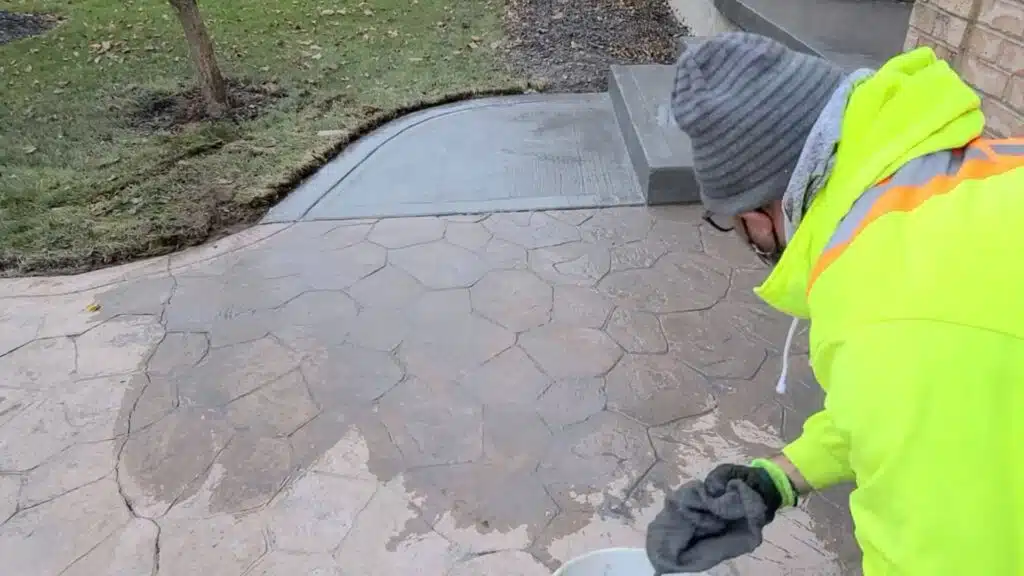
After the paint is removed, you can refresh the concrete with a color product like a stain or sealer. Lightly dampen the concrete to help it absorb the stain well.
Apply the color by hand or with a sprayer for better control. Let it dry in good weather with no rain expected. This step restores the surface and gives it a clean finish.
For a complete walkthrough of the process, check out the video tutorial below:
Alternative Methods Used to Get Paint Off Concrete
People use various methods to remove paint from concrete based on their specific situations. Real users share their experiences online, revealing what actually works and what wastes time.
Here’s what homeowners and DIY enthusiasts commonly try:
| Method | Best For | Pros | Cons | Success Rate |
|---|---|---|---|---|
| Dish Soap and a Stiff Brush | Fresh paint spills | Cheap and safe | Only surface-level paint | Low for old paint |
| Vinegar or Baking Soda | Small spots | Non-toxic and eco-friendly | Slow, multiple applications needed | Low to moderate |
| Chemical Paint Stripper | Thick, old paint | Highly effective, softens deep paint | Strong fumes, needs safety gear | High |
| Using a Heat Gun | Smaller indoor areas | No chemicals, precise control | Time-consuming, burn risk | Moderate |
| Grinder or Sander | Extremely stubborn paint | Removes any paint completely | Creates dust, damages concrete | Very high but aggressive |
Most users agree that combining methods works better than relying on just one approach. Chemical strippers paired with pressure washing get the most positive reviews in community forums.
What Actually Worked for People: Community Discussion
Many people on Reddit shared exactly what worked for removing paint from concrete.
One user said, “I just recently did this exact project and did exactly what the other comments suggested: use a paint stripper (I used a product called ZAR – about 1.5 gallons for the whole project), and power washed after about 20 minutes.”
Another commented, “Buy some paint stripper in a metal can. You brush it on like paint and let it sit for a few minutes.
The paint will bubble up, and then you can power wash again. I did this in an area probably 12×30 and it worked great.” This Reddit thread has many helpful real-user tips.
How to Get Paint Off Concrete Indoors and Outdoors
The best paint removal method depends heavily on where the paint is located. Indoor and outdoor spaces require different approaches due to ventilation, equipment access, and surface conditions. Here’s how to tackle paint removal in different areas:
| Location | Recommended Method | Key Considerations | Safety Tips |
|---|---|---|---|
| Indoor Floors and Basements | Chemical stripper with manual scrubbing | Ventilation is critical; avoid pressure washers indoors | Open windows, use fans, wear a respirator mask |
| Patios, Walkways, and Driveways | Pressure washer with chemical stripper | Large open areas allow messy methods | Protect surrounding plants, contain runoff water |
| Garage Floors | Chemical stripper followed by pressure washing | Semi-enclosed space needs good airflow | Keep the garage door open, avoid heat guns near fuel |
| Painted Walls or Foundations | Heat gun or light chemical stripper | Vertical surfaces need gel-based products | Test a small area first, protect your eyes from drips |
Choosing the right method for your location prevents damage and keeps you safe during the process. Always prioritize proper ventilation and safety equipment regardless of where you’re working.
Mistakes Homeowners Say You Should Avoid
Learning from others’ mistakes saves you time, money, and frustration on your paint removal project. DIY forums are full of cautionary tales about what not to do when tackling concrete paint. Watch out for these common errors:
- Skipping the Test Spot: Many people apply stripper to the entire surface without testing a small area first.
- Not Allowing Enough Soak Time: Rushing the process by removing the plastic covering too early prevents the stripper from fully softening the paint.
- Using Too Much Water Pressure: Setting the pressure washer too high can etch or damage the concrete surface permanently.
- Forgetting Proper Ventilation: Working with chemical strippers indoors without adequate airflow causes dangerous fume buildup and health risks.
These mistakes are easily preventable when you know what to watch for ahead of time. Taking proper precautions ensures a successful project without damaging your concrete or compromising your safety.
When It’s Better to Call a Professional
Sometimes DIY paint removal just isn’t worth the hassle or risk involved. If you’ve tried multiple methods without success, it’s time to call an expert.
Professional contractors have industrial-grade equipment that works faster and more effectively than home methods. Large commercial spaces need professional help because the job is simply too big for one person.
If the paint contains lead or other hazardous materials, professionals have proper safety equipment and disposal methods.
Delicate or historic concrete surfaces require specialized knowledge to avoid permanent damage during paint removal. Getting quotes from local contractors helps you weigh the cost against the time and effort you invest.
Final Words
Now you know exactly how to remove paint from concrete using proven methods that actually work. I’ve shown you the key is choosing the right technique based on your specific paint type.
Chemical strippers combined with pressure washing deliver the best results for most homeowners tackling this project.
Remember to protect yourself with proper safety gear and ensure good ventilation throughout the entire process.
I recommend testing products on small areas first to prevent costly mistakes and concrete damage. Sometimes calling a professional makes more sense than fighting stubborn paint for days on end.