
I’ve stood in the paint aisle, staring at the shelves, not really sure what to pick. Latex vs. acrylic paint seemed like a small choice, but I didn’t want to mess it up.
I just wanted something that would stick, last, and not peel a month later. After making a few mistakes, I started to learn what actually matters when picking paint. That’s what I’ll share here.
Now it’s your turn. If you’re painting walls, wood, or even outdoor stuff, I’ll help you figure out which paint makes the most sense.
You’ll get simple tips on drying time, clean-up, and what works where. No fancy words. No guesswork. Just the kind of clear help I wish I had when I first started.
Why It Helps to Learn Paint Types Before You Begin a Project
Before you open a paint can or grab a roller, it helps to understand what type of paint you’re using. The kind you choose affects how long your finish lasts, how well it resists wear, and how easy it is to maintain over time.
Each paint has a different makeup, and some handle moisture or temperature changes better than others. Knowing that can save you from problems like peeling, cracking, or mildew growth later.
Many beginners mix up acrylic, latex, and acrylic-latex paints, even though they behave differently on walls, wood, or metal. For example, latex works well indoors, while acrylic holds up better outdoors.
Different surfaces and environments respond differently to each formula, so taking a little time to learn which formula best fits your project helps you get a smooth, lasting result instead of a finish that fades too soon.
Latex vs. Acrylic Paint: Understanding the Basics
Before you compare durability or get into surface prep, it’s useful to pause and understand what makes each paint unique at its core.
A clear starting point helps you see that the choice isn’t just about color, but also about how the finish will behave once it’s on your walls or furniture.
What is Latex Paint?
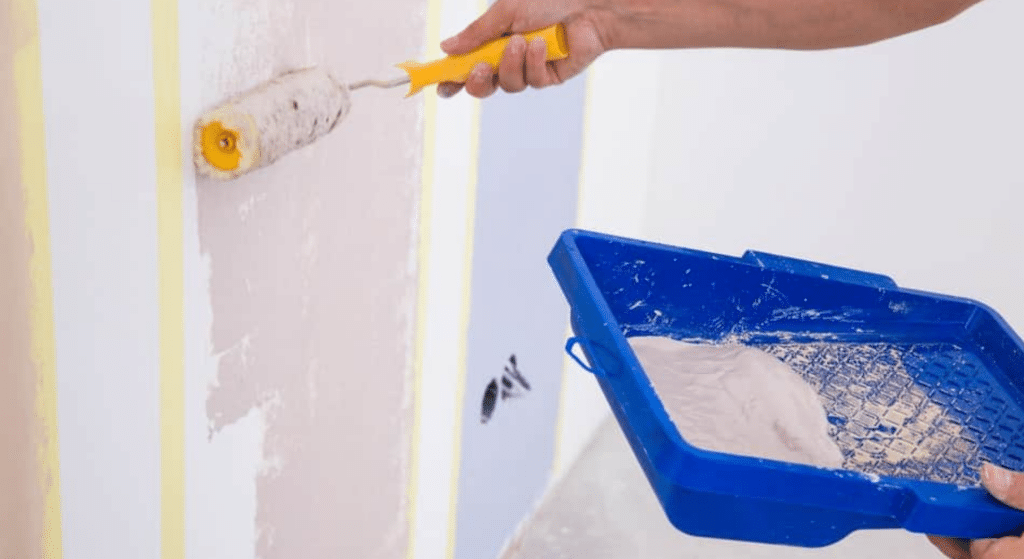
Latex paint is a water-based formula that uses vinyl or other synthetic resins as binders. This makeup gives it a smooth feel, lower VOC levels, and a quick drying time.
You can also clean it up with simple soap and water, which makes it a favorite for everyday projects.
It works well on interior walls, ceilings, trim, and drywall because it stays flexible and holds color well without a long wait between coats.
Latex paint becomes a weaker choice in spots with extreme outdoor temperatures, high moisture, or constant wood movement. In those areas, it may peel, bubble, or lose adhesion more quickly than stronger formulas.
What is Acrylic Paint?

Acrylic paint uses a chemical-based resin that gives it strong adhesion and high flexibility. This flexibility helps the paint stretch and shrink with temperature changes, which is why it holds up well outside.
It also handles sun, rain, and moisture better than most water-based options.
Because of its makeup, acrylic paint usually has higher VOC levels and a stronger odor, so ventilation is important during use.
Acrylic shines on exterior siding, trim, doors, masonry, and any surface exposed to weather or frequent moisture. It also works well in bathrooms, laundry rooms, and kitchens.
However, acrylic can be more than you need for simple indoor projects. For standard interior walls or low-impact surfaces, it may add unnecessary cost and odor when latex would perform just fine.
Latex vs. Acrylic Paint: Side-by-Side Comparison
Here’s a clear, single-table breakdown that shows how each paint performs in real-world situations. Use it to pick the option that fits your project and space:
| Category | Latex Paint | Acrylic Paint |
|---|---|---|
| Composition & Resins | Water-based with vinyl/synthetic binders | Chemical-based acrylic resins |
| Durability & Longevity | Strong indoors, moderate outdoors | Very strong indoors and outdoors |
| Flexibility & Temperature Tolerance | Moderate flexibility, fair in temperature shifts | High flexibility, excellent in temperature changes |
| Adhesion Strength | Strong on drywall, good on interior wood, fair on metal/masonry | Very strong on wood, metal, masonry, and weathered surfaces |
| VOC Levels & Safety | Lower VOCs, safer indoors, mild odor | Higher VOCs, stronger odor, needs ventilation |
| Drying Time & Recoat Window | Fast drying, short recoat time | Slower drying, longer recoat window |
| Application & Cleanup | Easy to apply, cleans with soap and water | Harder to apply, needs stronger cleaners |
| Cost & Value | Lower cost, best value indoors | Higher cost, worth it for exterior durability |
| Moisture & Weather Resistance | Fair moisture resistance, weak in harsh weather | Strong moisture and weather resistance |
| Fade & UV Resistance | Moderate UV protection, fades faster | Excellent UV resistance, holds color longer |
This single chart helps you see the key differences at a glance so you can choose the paint that fits your project best.
What is Acrylic Latex Paint?
Acrylic latex paint is a blend that combines a water-based formula with acrylic resins, which is why many cans are labeled “acrylic latex.”
The water base makes it easy to use and clean, while the acrylic resin gives it better strength, flexibility, and adhesion than standard latex.
This mix creates a middle-ground option that works well for most interior and exterior projects. It’s stronger and more weather-resistant than pure latex but doesn’t have the strong odor or higher VOC levels found in full acrylic paints.
Acrylic latex works especially well on walls, trim, siding, and wood surfaces that need a bit more durability without the extra cost of a full acrylic formula.
Most modern interior and exterior paints are technically “acrylic latex” because manufacturers use acrylic resins to improve performance, even when the can still include the word “latex.”
Which Paint Works Best on Each Surface?
Before you jump into specific recommendations, it helps to get a quick sense of how different surfaces react to each paint type. This will help you choose the option that gives you a strong, long-lasting finish:
Best Paint for Walls

Latex or acrylic latex paint is the easiest and most reliable choice for walls. It dries quickly, has low odor, and gives you a smooth finish with minimal effort.
It also handles touch-ups well, which helps in busy spaces like living rooms or hallways. Choose an eggshell or satin sheen if you want something easy to clean.
Best Paint for Wood Furniture
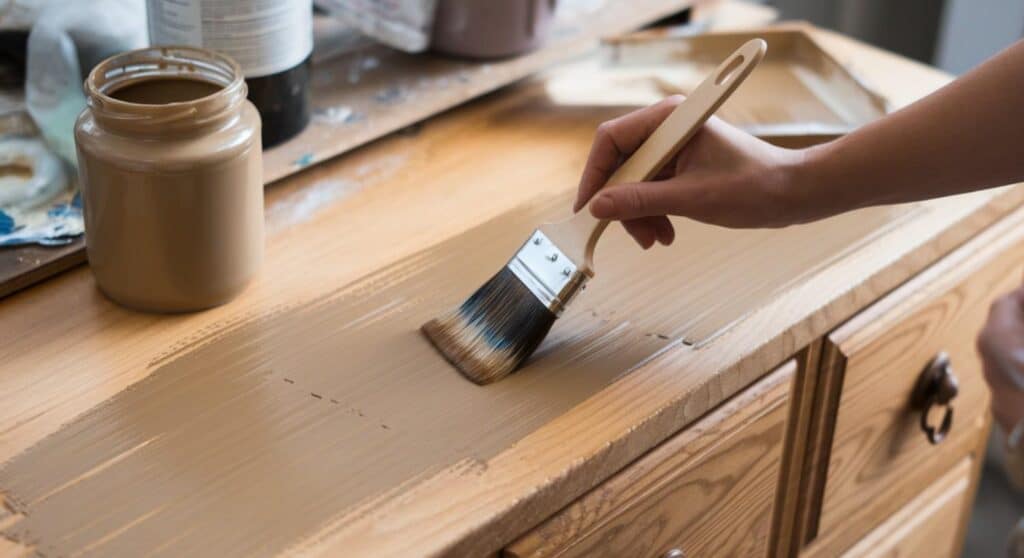
Acrylic paint is the stronger option for wood furniture because it sticks well, flexes with wood movement, and resists wear. It holds up better to bumps, daily use, and temperature shifts.
If you want a smoother look, pair it with a good primer. This combo gives you a long-lasting finish that stays solid on tables, chairs, or cabinets.
Best Paint for Trim and Doors

Acrylic latex works best on trim and doors because it sticks firmly and resists scuffs. These surfaces get touched often, so you need a paint that can handle daily wear.
A semi-gloss sheen also wipes clean with little effort. This setup gives you a smooth, crisp look that holds up well in busy rooms and entryways.
Best Paint for Exterior Siding
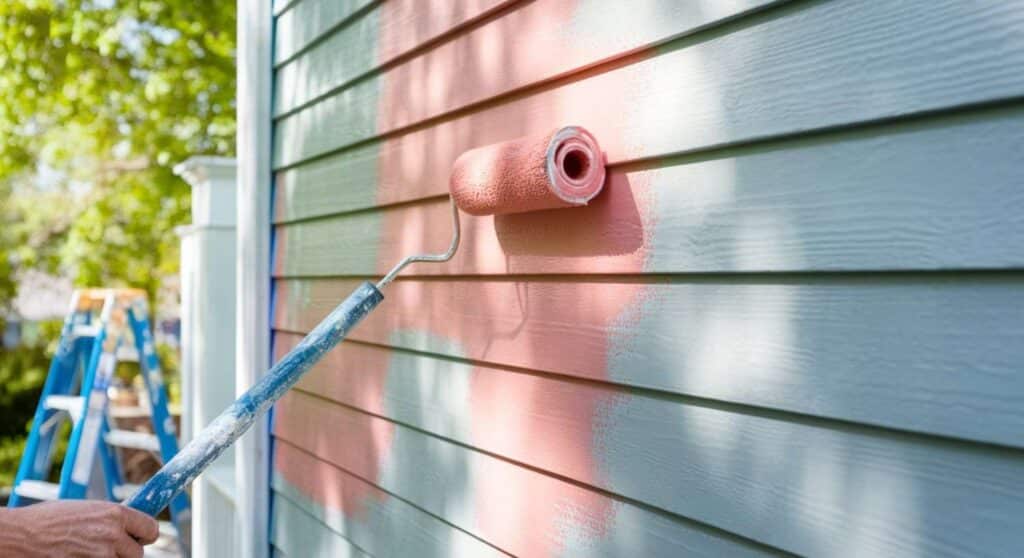
Acrylic paint is the top choice for exterior siding because it stands strong against sunlight, rain, and temperature changes. It stays flexible, which helps prevent cracking as the siding moves.
It also clings well to wood, fiber cement, and masonry. If you want long-lasting color and fewer maintenance cycles, acrylic is the dependable option.
Best Paint for High-Humidity Rooms
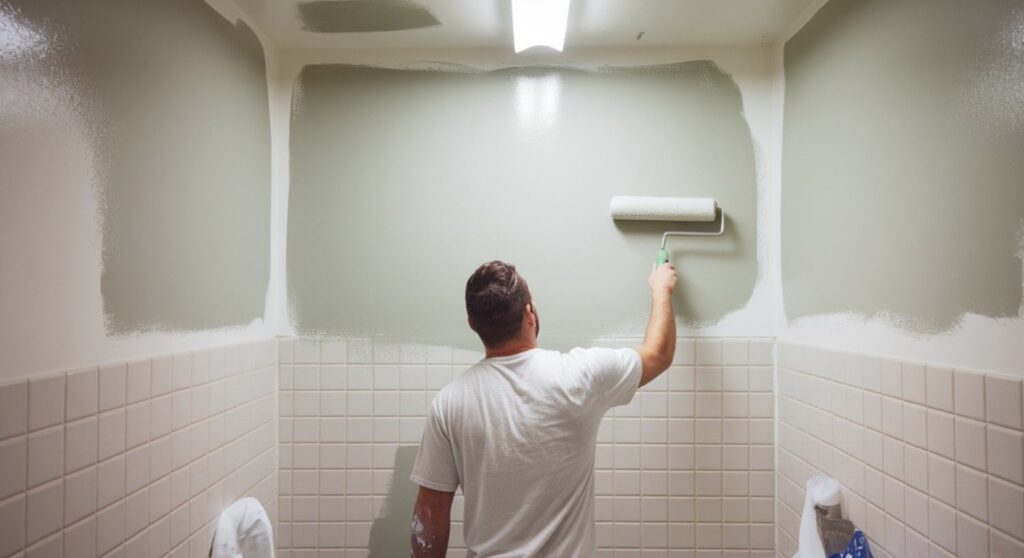
Acrylic or acrylic latex paint works best in rooms that face steam or constant moisture, like bathrooms, laundry rooms, or kitchens.
These formulas handle damp air without peeling or bubbling. A satin or semi-gloss sheen adds extra protection and makes cleanup easier. This mix gives you a tough finish that holds up well in wet spaces.
Best Paint for Beginners
Latex paint is the easiest option for beginners because it rolls on smoothly, dries fast, and cleans up with simple soap and water.
It works well on large surfaces like walls and ceilings without showing many brush marks. It also has a mild odor and low mess, helping new painters achieve good results with less stress.
How Long Each Paint Type Typically Lasts
Paint lifespan depends on the type you use and the conditions around it. Interior latex usually lasts 5–7 years on walls and around 3–5 years on trim.
Acrylic latex lasts a bit longer indoors because it clings better and resists small bumps. Outside, acrylic holds up the best at 7–10 years, while acrylic latex reaches about 5–8 years.
Pure latex outdoors tends to break down faster.
- Sun exposure, moisture, and temperature swings can shorten paint life
- Good prep, primer, and gentle yearly cleaning help extend durability
With the right steps, you can stretch an average paint job several extra years.
Clean walls, proper primer, and picking the right formula for your environment make the biggest difference in how long the finish stays smooth and reliable.
Common Mistakes to Avoid With Latex and Acrylic Paints
A few simple slip-ups can lead to peeling, cracking, or uneven results. Knowing what to avoid helps you get a smoother finish and longer-lasting paint job.
- Skipping primer on glossy or stained surfaces
- Painting over dirt, dust, or moisture
- Using latex outdoors where temperatures swing too much
- Choosing acrylic indoors when the odor will be a problem
- Applying thick coats instead of thin, even layers
- Painting in high humidity or direct sunlight
- Ignoring the proper drying time between coats
- Using the wrong brush or roller for the paint type
Avoiding these mistakes saves you time, money, and frustration. A little prep and the right paint match make the job much easier and the results much stronger.
Conclusion
I’ve learned that picking between latex vs. acrylic paint isn’t as hard as it seems once you know the basics.
Now that I understand how they work and where they fit best, I can plan projects with more confidence and fewer surprises. It’s a small win that makes a big difference.
Now it’s your turn. Think about what you’re painting and what matters most: drying time, cleanup, or long-lasting results.
Use what you’ve picked up here to make a smart choice. And here’s one last tip: don’t skip reading the paint label. It tells you a lot.
If this helped clear things up, keep going. There’s more easy-to-follow help in the other blogs. Go check them out and stay ahead on your next project!