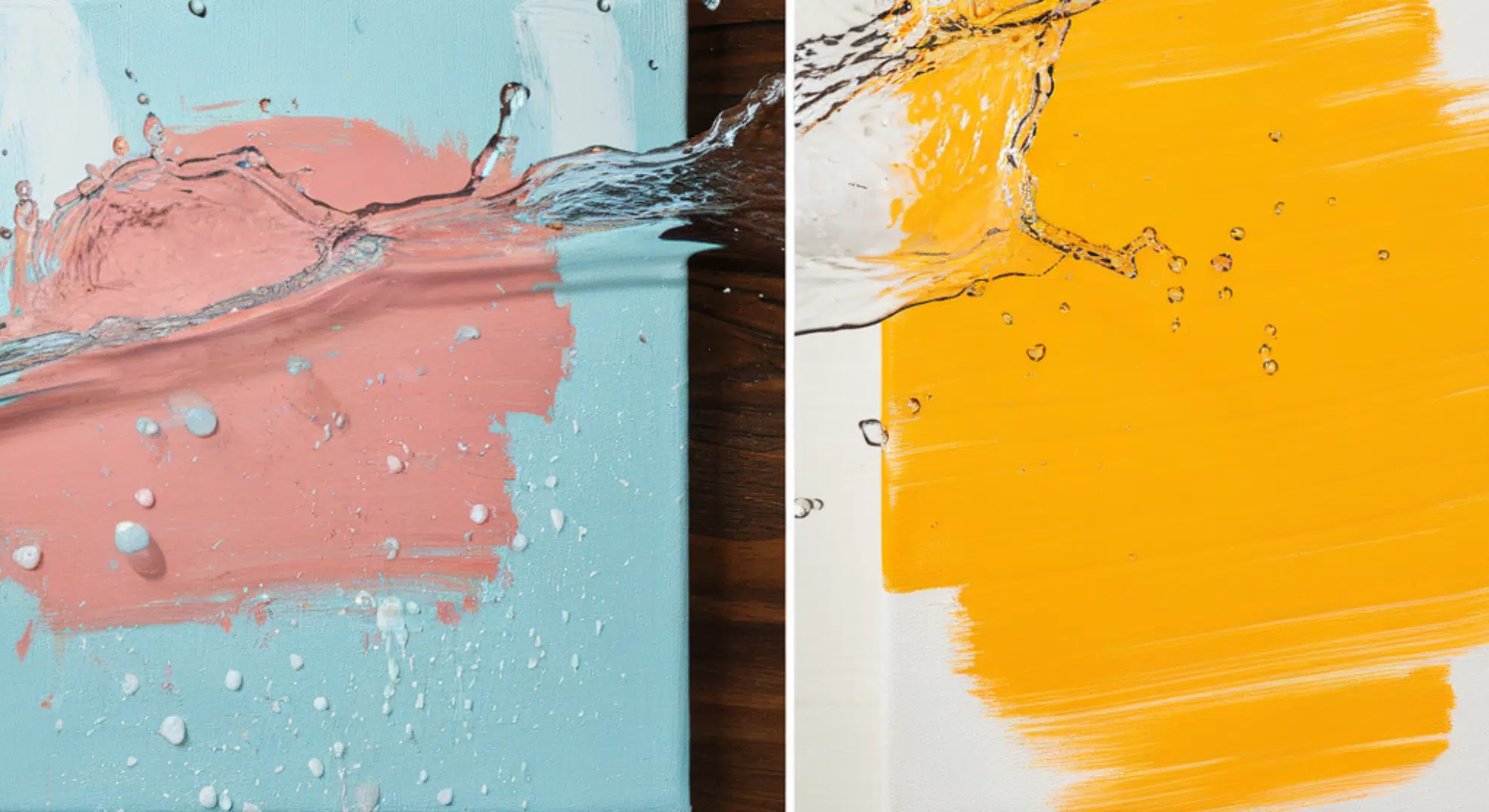
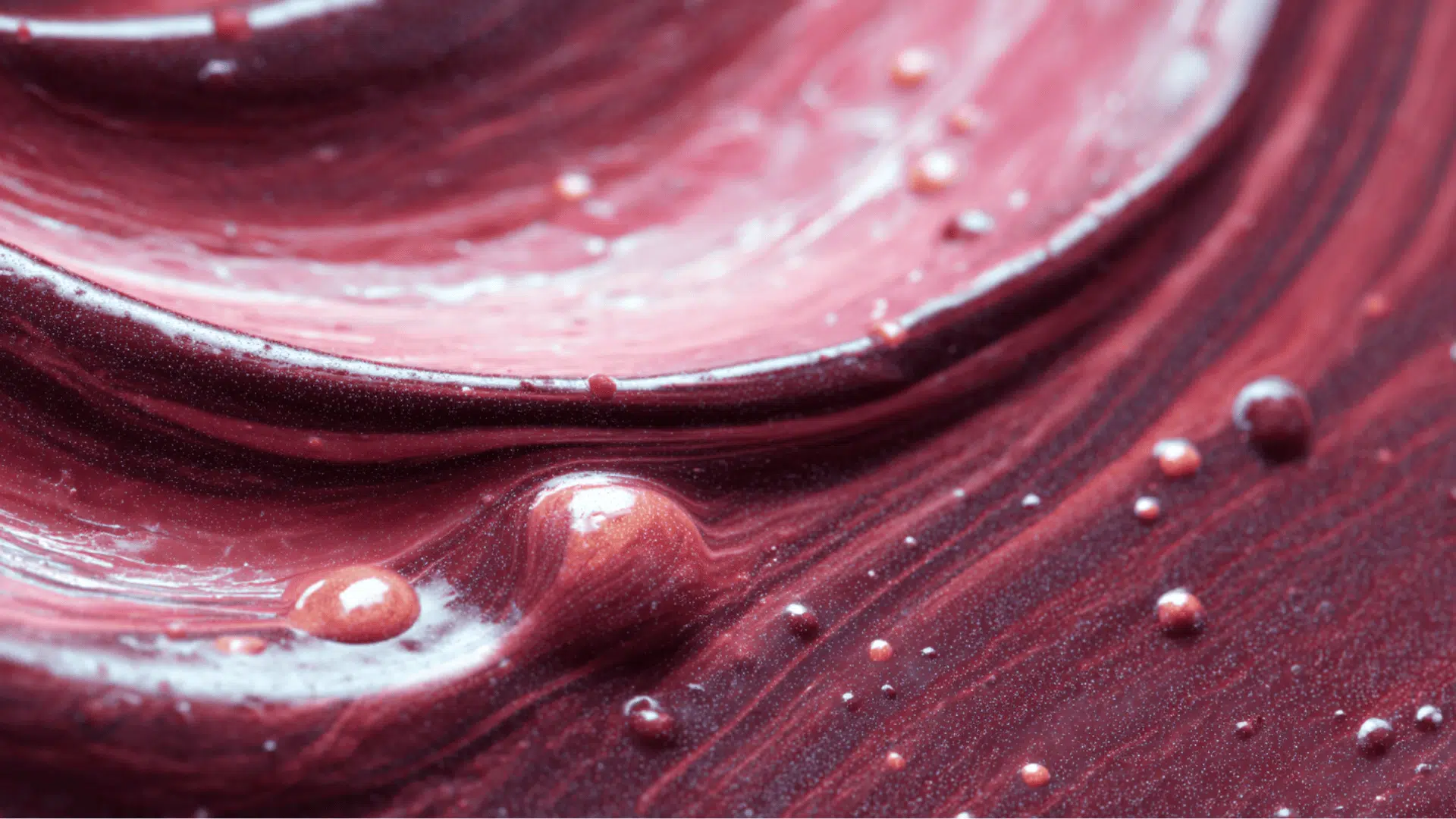
Choosing between paint finishes can feel unclear at first, especially when the options seem similar.
The difference between satin and semi-gloss becomes easier to understand once you look at how each one behaves in real spaces. The way I see it, most people want something that looks good, holds up well, and fits the way they live.
That’s why today I’ll walk you through the shine, strength, and everyday feel of each finish, along with simple examples that help you picture how they work in real rooms.
Let’s figure out exactly which one supports your home and your routine.
Understanding Satin and Semi-Gloss Paint Finishes
When you’re choosing a paint finish, knowing what each one actually looks like and how it behaves once it’s on the surface is important. From what I’ve seen, most people feel more confident once they understand the basic differences.
Satin paint has a soft, low-to-medium shine. It gives you a gentle glow without looking shiny. Satin works well when you want something smooth, easy to live with, and forgiving of small wall flaws.
Semi-gloss paint has a brighter, more reflective shine. It’s tougher, easier to clean, and stands up well to moisture. If you ask me, semi-gloss makes the most sense on doors, trim, and spots you wipe down often.
Both finishes have their place. The key is knowing what you need from the surface you’re painting.
Satin vs. Semi-Gloss: The Key Differences
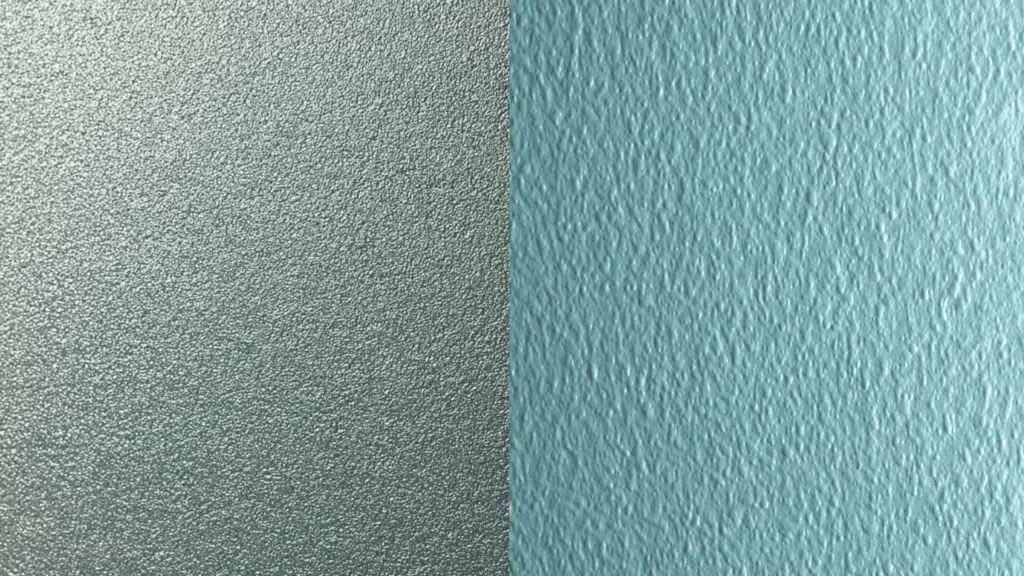
When you compare these two finishes side by side, the differences become clearer. Most people decide faster once they look at each feature.
| Feature | Satin | Semi Gloss |
|---|---|---|
| Sheen Level | About 25–35% sheen | About 40–70% sheen |
| Durability | Strong, but slightly softer | Very strong and long-lasting |
| Best Rooms | Bedrooms, hallways, living areas | Doors, trim, cabinets |
| Imperfection Visibility | Hides small flaws well | Shows flaws more easily |
| Cleanability | Easy to clean | Very easy to clean |
Sheen Level & Appearance
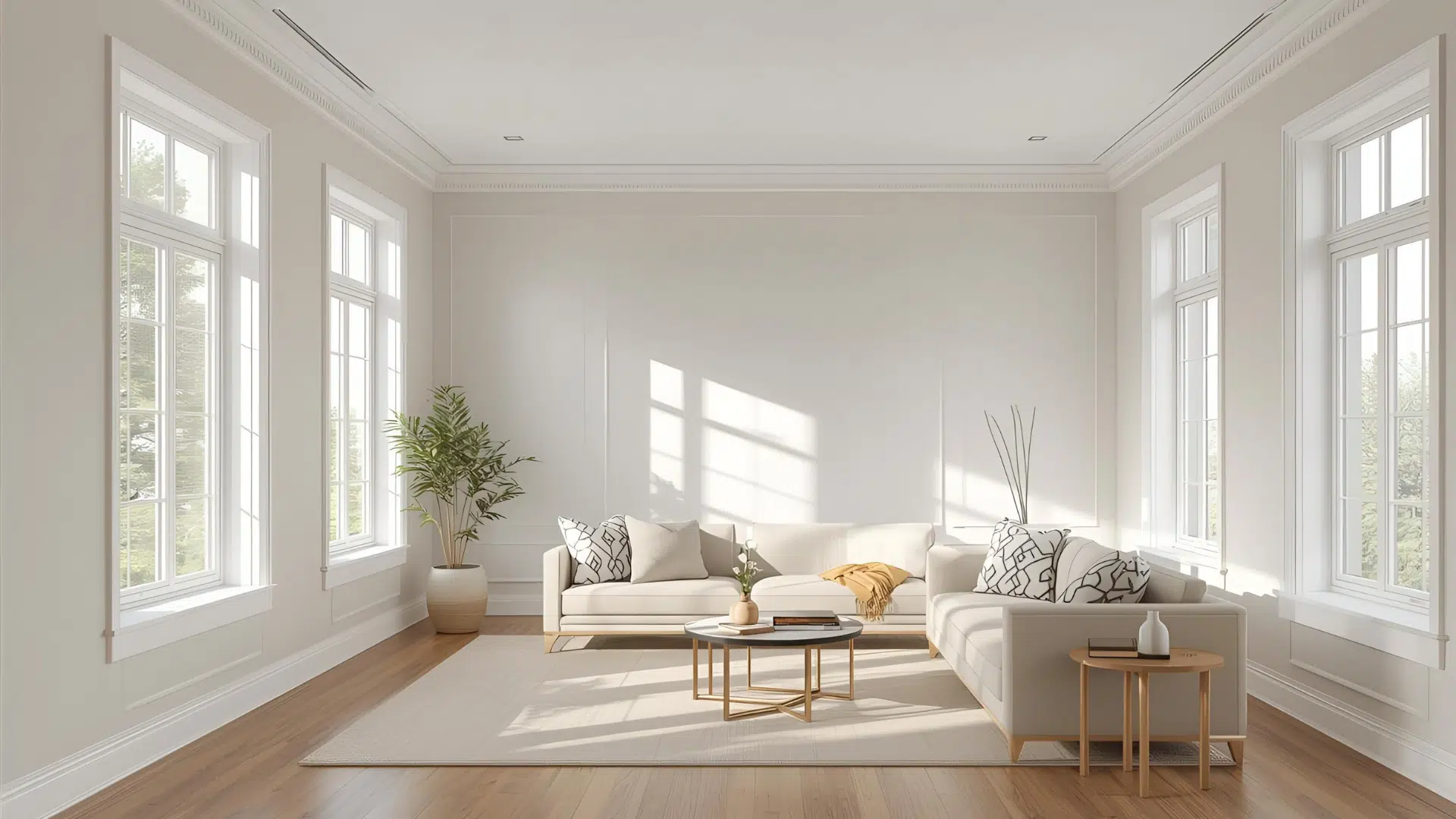
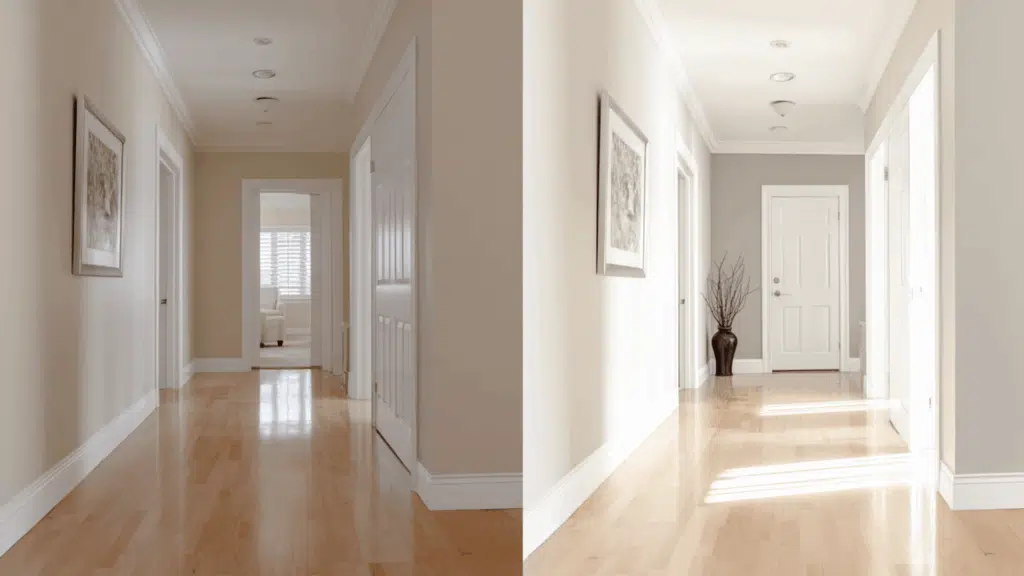
The shine level is one of the first things you’ll notice. Light plays a big role in how each finish looks.
- Satin has a soft glow. It reflects a little light, so the surface looks smooth without being shiny.
- Semi-gloss reflects a lot more light. It looks brighter and stands out more, especially in rooms with strong sunlight.
The more light a room gets, the more noticeable the shine will be.
Durability & Cleaning
This part matters a lot because it affects how the finish holds up over time. Whenever I help people choose, I always remind them to think about cleaning.
- Semi-gloss is the tougher option. It handles moisture, scrubbing, and repeated wiping.
- Satin is also strong, but it’s easier to touch up later if you need to fix a small mark.
- Washability: Both are washable, but semi-gloss takes heavier cleaning better.
If you ask me, the spot you’re painting usually decides which finish works best.
Imperfection Visibility
This is where people get stuck the most.
- Satin hides uneven spots, dents, and patches.
- Semi-gloss makes those flaws stand out because of the extra shine.
This matters more than people expect, especially in older homes.
Cost Differences
Paint prices can shift by brand and store, but here’s the general pattern. A higher sheen usually costs a little more.
Satin and semi-gloss both fall in a similar range, usually around $30–$60 per gallon. Semi-gloss can run slightly higher because it contains more resin, which gives it a stronger shine and extra durability.
From what I’ve learned, the price gap is small, so the choice usually comes down to use, not cost.
What Satin Paint is Best For
Satin works well when you want a smooth look without strong shine. From what I’ve seen, it’s the finish most people use when they want something easy to live with and easy to maintain.
Best Rooms for Satin
It helps to think about how each room is used before choosing a finish. Here are the places where satin performs the best:
- Living rooms: Gives walls a soft look that feels calm and clean.
- Bedrooms: Gentle shine without feeling too bright.
- Hallways: Handles daily scuffs and still looks good.
- Kids’ rooms: Easy to clean without showing every mark.
- Bathrooms: Works well in moisture when paired with good paint quality.
Satin is a flexible finish, so it usually fits most rooms that get everyday use.
Pros and Cons of Satin
| Pros | Cons |
|---|---|
| Hides small flaws well | Not as tough as semi-gloss |
| Easy to touch up | It can look dull in very bright rooms |
| Works in many room types | Shows marks more than semi-gloss in high-touch areas |
| Smooth, soft look | May need gentler cleaning |
Satin gives you a balanced finish, especially if you want something forgiving and easy to keep up with.
What Semi-Gloss Paint is Best For
Semi-gloss is the finish I turn to when durability really matters. It’s strong, shiny, and holds up to constant cleaning, which makes it a good fit for spots that get touched or wiped a lot.
Best Uses for Semi-Gloss
Before you choose semi-gloss, it helps to think about where you need extra strength. These are the places where semi-gloss performs better than softer finishes:
- Trim: Handles bumps, shoes, and dust without wearing down.
- Doors: Stays clean even with constant touching and fingerprints.
- Cabinets: Great for kitchens and bathrooms where you wipe often.
- Kitchens: Holds up well to steam, splashes, and regular scrubbing.
- Bathrooms: Resists moisture and keeps its shine in humid spaces.
Whenever I tell people this, I point out that semi-gloss shines brightest, literally and figuratively, when you need something that lasts.
Pros and Cons of Semi-Gloss
| Pros | Cons |
|---|---|
| Very durable and long-lasting | Shows wall flaws more easily |
| Easy to scrub and wipe clean | Touch-ups can stand out |
| Great for high-moisture areas | Shine can feel too bright in some rooms |
| Perfect for doors, trim, and cabinets | Highlights dust, fingerprints, and brush strokes |
Semi-gloss is the right choice when strength and easy cleaning matter more than hiding imperfections.
Satin vs. Semi-Gloss by Project Type
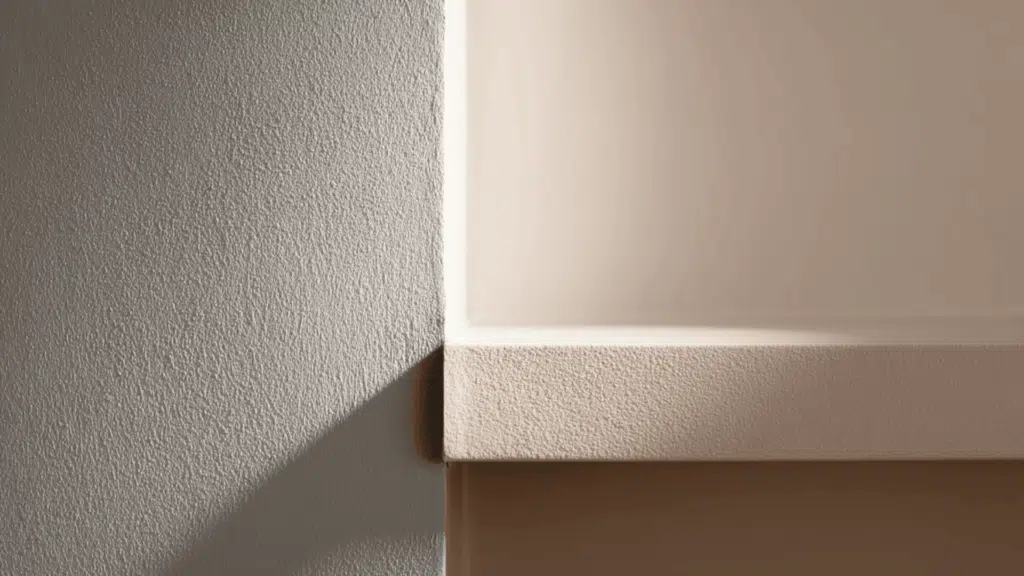
Every home has different needs, so the right finish depends on how you live. From what I’ve seen, certain situations make the choice much clearer once you look at the details.
Homes with Kids or Pets
When you have kids or pets, surfaces get touched, bumped, and wiped all the time. I’ve learned this the hard way in my own place.
- Satin works well on walls because it hides marks better.
- Semi-gloss works best on trim, doors, and cabinets because it handles scrubbing.
Use satin on walls and semi-gloss on high-touch surfaces.
Older Homes with Imperfect Walls
Older walls often have dents, patches, or uneven spots. This is where the finish choice makes a big difference.
- Satin hides most flaws and keeps the surface looking smooth.
- Semi-gloss brings out every bump and patch.
Satin is the safer choice for older or uneven walls.
Rental Properties
Rentals need finishes that are easy to maintain and quick to refresh. In my experience, this is where practicality matters more than looks.
- Satin works well on walls because it’s simple to touch up between tenants.
- Semi-gloss is best on trim and doors since renters touch them all day.
Satin for walls, semi-gloss for anything handled often.
High-Sunlight Rooms
Strong sunlight changes how finishes look. One thing I keep seeing is how much shine increases in bright rooms.
- Satin keeps glare down and looks softer throughout the day.
- Semi-gloss can look overly bright and show every mark.
Satin works better for sun-filled spaces unless you’re painting trim or doors.
Quick Room-by-Room Guide: Satin vs. Semi-Gloss
It can help to see how both finishes perform in each part of the home. This table gives you a quick, side-by-side look so you can choose the right finish for every area.
| Area | Satin | Semi Gloss | Verdict |
|---|---|---|---|
| Living Room Walls | Soft look, hides flaws | Too shiny for most walls | Satin |
| Bedroom Walls | Calm, smooth, low glare | Can feel too bright | Satin |
| Hallway Walls | Good for scuffs; forgiving | Shows marks more | Satin |
| Kids’ Room Walls | Easy to clean, gentle shine | Very shiny, shows flaws | Satin |
| High-Sunlight Walls | Controls glare | Reflects light strongly | Satin |
| Trim | Softer look but marks faster | Tough, wipes clean | Semi Gloss |
| Doors | Shows fingerprints | Cleans fast, very durable | Semi Gloss |
| Cabinets | Works for a soft style | Best for scrubbing + moisture | Semi Gloss |
| Kitchen Walls/Cabinets | Works with high-quality paint | Handles steam + grease | Semi Gloss |
| Bathroom Walls/Trim | Works with moisture-resistant paint | Best for humidity | Semi Gloss |
| Exterior Siding | Smooth, hides roughness | Too reflective for big areas | Satin |
| Exterior Doors/Trim | Looks softer | Strong, weather-resistant | Semi Gloss |
Satin and Semi-Gloss Options from Famous Brand
Each brand makes satin and semi-gloss a little differently. The look and feel can shift from one company to another, so you should know the small differences before you pick your paint.
1. Sherwin-Williams
Sherwin-Williams satin usually has a soft, even glow that stays consistent from room to room. Their semi-gloss feels a bit brighter and firmer, which gives it a clean, polished look.
The finishes from this brand tend to behave very predictably, which makes choosing between the two pretty straightforward.
2. Benjamin Moore
Benjamin Moore often delivers richer color and a slightly smoother feel. Their satin finish looks refined and even, while their semi-gloss has a crisp shine with strong depth.
In my experience, this brand gives you a more “finished” look, no matter which option you choose.
3. Behr
Behr usually sits somewhere in the middle when it comes to sheen strength. Their satin has a touch more glow than other brands, and their semi-gloss isn’t quite as intense in shine.
I’ve seen a lot of people choose Behr when they want something durable but not overly glossy.
Final Questions to Ask when Choosing Satin or Semi-Gloss
When you’re stuck between satin and semi-gloss, walk through a few quick questions.
Is the surface touched a lot? Go with semi-gloss.
Does the wall have dents, texture, or patches? Satin will hide them better.
Is the room bright or full of sunlight? Satin keeps the glare down.
Is it a bathroom or a kitchen? Semi-gloss handles moisture better.
Do you want easy touch-ups later? Satin is the simpler option.
Is this trim, a door, or a cabinet? Semi-gloss is usually the smarter choice.
Do you prefer a modern, clean look or a softer feel? Semi-gloss looks sharper. Satin feels calmer.
The finish you pick should match how the space lives day to day. Once you answer these questions, the choice usually becomes clear.
Wrapping Up
Choosing the right finish comes down to how you live and how each surface gets used. The difference between satin and semi-gloss usually feels clearer once you think about light, touch, and long-term upkeep.
In my experience, satin gives you a calmer look on most walls, while semi-gloss brings the strength you need on trim, doors, and other busy spots.
What matters most is picking the finish that supports your daily routines and helps your home feel easy to maintain.
If you’re ready for your next step, try a few samples and see what looks best in your space.