

I used to grab any paint off the shelf without thinking much about it. But one day, after painting, the strong smell gave me a headache.
That’s when I started wondering: what is VOC in paint? I found out that VOCs are gases that come out of paint and can pollute your indoor air. They’re more common than you’d think and not great for your lungs.
If you’re planning to paint soon, you need to understand this. I’ll explain what VOCs are, why they matter, and how to choose safer paint.
You’ll learn how to read labels and make better choices for your space. It’s easier than you think, and it makes a real difference.
The Real Reason VOC Levels Shouldn’t Be Ignored
VOCs in paint might not seem like a big deal at first. You open a can, paint your wall, and that’s it, right? Not exactly. These gases don’t just disappear when the paint dries.
They can stay in the air for days or even weeks. You might not see them, but they can still get into your lungs every time you breathe.
Some VOCs can cause headaches, sore eyes, or make it harder to breathe. For kids, older people, or anyone with asthma, it can be worse.
Over time, breathing in these chemicals could even lead to more serious health problems.
That’s why VOC levels matter. It’s not just about smell or comfort; it’s about what you’re putting into the air you breathe every day.
Knowing what’s in your paint helps you keep your space cleaner, safer, and better for everyone living in it.
What is VOC in Paint?
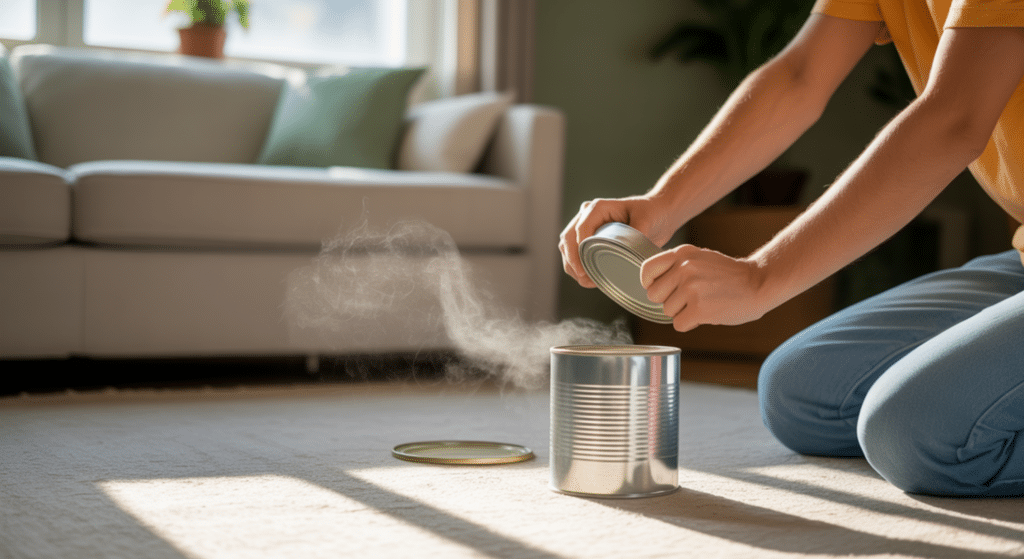
VOCs, or volatile organic compounds, are carbon-based chemicals found in many paints. When you open a paint can and start painting, these chemicals don’t stay in the liquid; they turn into gases and float into the air.
This happens while the paint is drying and sometimes even after it looks dry. That’s why the room might smell strong or feel stuffy after painting.
VOCs help paint work the way it should. They make the paint easier to spread. They help it dry evenly and give it a smooth look. They also make sure the paint doesn’t go bad too quickly while it’s still in the can.
Some common VOCs used in paint include paint thinner and mineral spirits. You don’t need to know the science names; they’re just used to keep paint flowing well and drying right.
VOC paint means the paint contains chemicals that can get into the air when you use it. Some paints are labeled “low-VOC” or “zero-VOC,” which means they contain fewer of these gases, but that doesn’t necessarily mean there’s no smell or no risk.
Even if a paint says “odorless,” it can still have VOCs. Smell isn’t always a good way to tell if something is safe to breathe. So, it’s better to look for clear labels and know what’s actually in the paint.
How Long Do VOCs Last After Painting?
VOCs don’t disappear the moment the paint dries. In fact, they can stick around much longer. Some VOCs leave the air after a few hours, but others can stay for several days or even weeks.
The timeline depends on factors like how much paint you used, how many coats you applied, how humid the room is, and, most of all, how well the space is aired out.
To clear out VOCs faster, keep windows open as much as possible. Place a fan near the window to push air out. You can also use an air purifier with a carbon filter to catch VOCs in the air.
Try to wait at least 48–72 hours before sleeping in a freshly painted room, especially if the space is small or the smell is strong. Giving the paint enough time to fully cure is one of the best ways to lower the risk.
The Way VOCs Can Harm Your Body Without You Knowing

When paint with VOCs is used in your home, you may start feeling the effects quickly. These gases float in the air while the paint dries and even after. Breathing them in can cause your body to react, especially in closed rooms with little airflow.
You might not think much of it at first, but even a short time in that space can make you feel unwell. Common short-term symptoms include:
- Headaches
- Dizziness or feeling light-headed
- Stinging or dry eyes
- Scratchy throat or coughing
- Feeling sick to your stomach
But the harm doesn’t stop there. If you’re exposed to VOCs for a long time, they can affect your organs and brain. People who are more at risk include kids, pets, older adults, and those with asthma.
Their bodies respond more quickly and strongly to dirty air. Over time, these gases may add up and lead to serious health concerns you don’t feel right away.
Indoor & Outdoor Air Impact
VOCs don’t just stay inside. Indoors, they accumulate in the air, making the space less safe to breathe.
Outdoors, they react with sunlight and other gases to form ground-level ozone, which contributes to air pollution and makes breathing harder, especially in cities. Places that feel VOC effects the most:
- City homes with poor air flow
- Small rooms with shut windows
- Homes with new paint and no ventilation
If you live in a small space or in a city, it’s even more important to check the paint you use. Without fresh air moving through, VOCs stay in your space much longer.
That’s why picking the right paint and airing out your space after painting can help protect your health and your air.
Paint Types and Typical VOC Levels
Not all paint has the same amount of VOCs. Here’s a quick look at common types and the typical VOC levels:
| Paint Type | VOC Range (grams per liter) |
|---|---|
| High-VOC (oil-based) | 250–450 g/L |
| Low-VOC | Under 50 g/L |
| Zero-VOC | 0–5 g/L |
These numbers can vary a little depending on the brand, but this gives you a solid starting point when picking paint.
Even if you buy a zero-VOC paint base, adding color can change that. Many colorants (the stuff that makes paint a certain shade) still contain VOCs.
To keep your paint safer, ask for low-VOC colorants when you’re picking your color. Some stores offer better tint options if you ask; they might not tell you unless you do.
Low-VOC v. Zero-VOC: What Actually Changes

When choosing between low-VOC and zero-VOC paint, the differences can be small but still matter—especially indoors.
Most people will notice the smell first. Zero-VOC paint usually has less odor, but it can still give off a light smell, especially right after painting.
Drying time is usually the same, but some low-VOC paints might dry a little slower. You probably won’t see much of a difference unless you’re painting in a tight space. What you might not notice:
- Coverage might be thinner with some zero-VOC paints.
- You may need an extra coat for full color.
- Durability is often similar, but some low-VOC paints can last longer, depending on the brand.
Claims vs. Reality
Just because a can says “zero-VOC” doesn’t mean it’s 100% free of chemicals. Paint with under 5 grams per liter can still be called zero-VOC. Also, tinting can add VOCs back in—even if the base was clean.
Always check the label for the exact VOC number. If you’re not sure, ask the store for the full details. It’s better to check than to guess.
How to Tell If Paint Has High VOCs
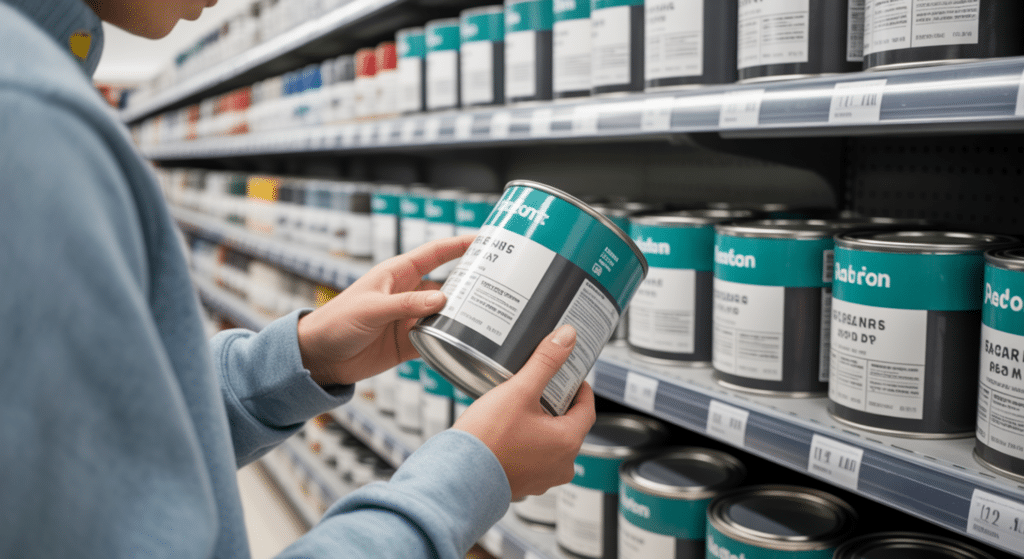
You don’t have to be a paint expert to figure out if your paint has high VOCs. Start by checking the label on the can. Most paints list VOC levels in grams per liter (g/L).
If the number is over 250 g/L, it’s likely an oil-based or high-VOC paint. Low-VOC paints usually stay under 50 g/L, and zero-VOC ones are often under 5 g/L.
The label might also include words like “low odor” or “eco-friendly,” but don’t rely on that alone. Clear facts don’t always back these words. Always look for the exact number.
If you’re buying paint online or can’t find the info on the label, check the product sheet or ask the store.
You can also look for third-party labels like Green Seal or Greenguard, which show the paint meets safer air standards. A few extra minutes of checking can help protect your indoor air.
Is Low-VOC Paint Worth It?
Low-VOC paint usually costs a bit more than regular paint, but for many people, it’s worth the extra money. The smell is one of the biggest changes you’ll notice.
It’s lighter and fades faster, which makes it easier to stay in the room during or after painting. That alone makes a big difference if you have kids, pets, or health issues.
When it comes to performance, low-VOC paint works just as well as regular paint in most cases. It covers well, dries nicely, and lasts a long time if you prep the surface right and follow directions.
The real value is in the health benefits. Breathing cleaner air while you paint and after is something that doesn’t always show right away, but matters over time.
If you’re painting bedrooms, nurseries, or any place where people spend a lot of time, low-VOC paint gives you peace of mind without giving up quality.
1219 gate 2
Low-VOC Paint Brands to Look For
Today, many brands offer low-VOC paint that works well and keeps indoor air safer. Updated options include Benjamin Moore Eco Spec, Sherwin-Williams Harmony, Behr Ultra, and Clare Paint. These paints are made for low fumes and safer indoor use.
Always check the label for the exact VOC level in grams per liter (g/L). Some “zero-VOC” paints can still rise in VOCs after adding color, so ask for low-VOC tints too.
While these paints may cost slightly more, they’re a smart choice for bedrooms, kids’ rooms, or any space you use every day.
Safer Painting Tips for Indoors
Painting inside your home doesn’t have to mean filling the air with strong fumes. With a few simple steps, you can keep your air cleaner and your space more comfortable.
- Open windows before, during, and after painting
- Use a fan to blow air out of the room
- Take breaks to let fresh air in
- Choose low-VOC or zero-VOC paint
- Ask for low-VOC tints when picking colors
- Keep kids, pets, and sensitive people out of the room for at least 48–72 hours
Even if the paint says “low odor” or “safe,” it’s always better to add fresh air and give it time to fully dry. A little extra care now means cleaner air for you later.
Conclusion
Learning what VOCs are in paint changed the way I think about the air in my home. I never realized that paint could keep giving off chemicals long after it dries.
Now, I check labels, ask about low-VOC options, and wait longer before moving back into freshly painted rooms. It feels good knowing I’m keeping my space safer without doing anything complicated.
Now it’s your turn. When you pick your next paint, take a moment to look for VOC levels. Ask about safer tints, open your windows, and give the room time to air out.
These small steps can make a big difference. If you found this helpful, keep going, check out more of the blogs on the website for tips you can actually use!