
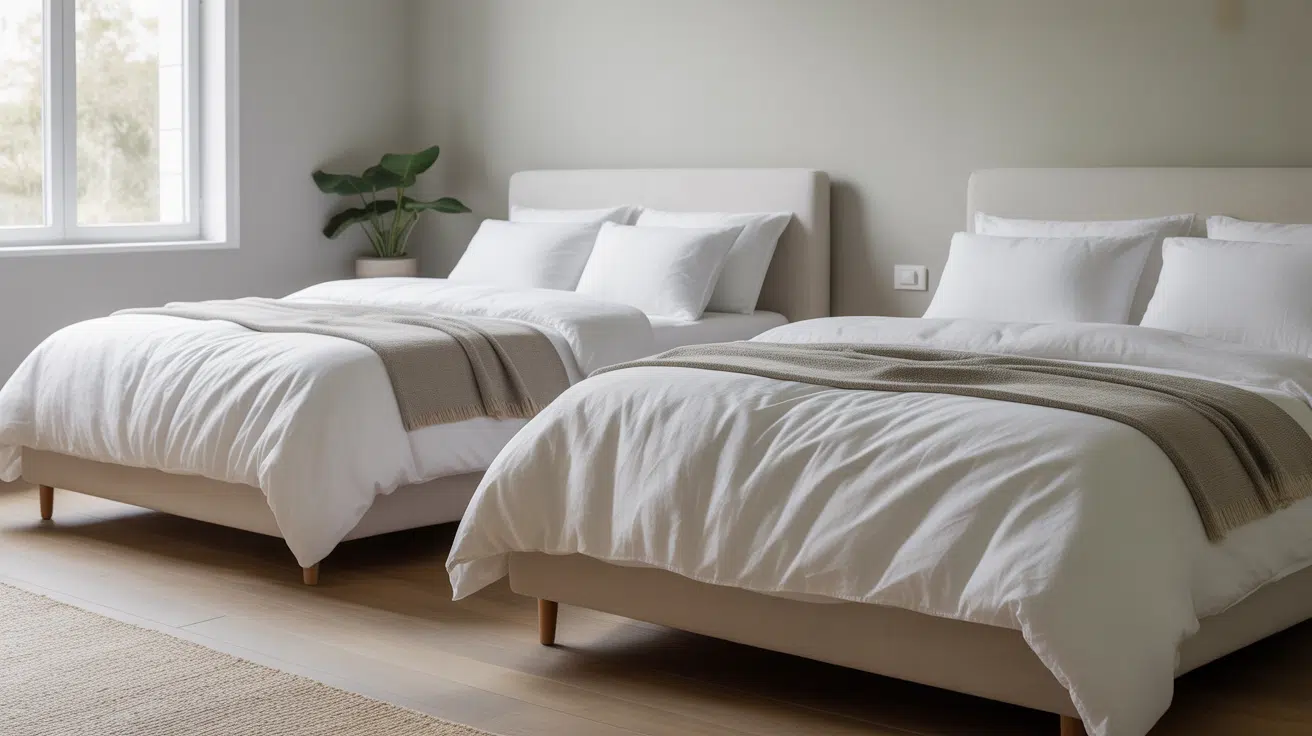
Sometimes buying a mattress feels harder than it should. You hear the words double and full tossed around, and it’s easy to wonder, is a double bed the same as a full?
I’ve been there, and I know how confusing it can be when trying to ensure your bed fits both your space and your sleep needs. The last thing you want is to bring home a mattress that doesn’t feel comfortable or doesn’t suit your room.
In this blog, I’ll break down exactly what those terms mean (double bed vs full bed), compare them to other mattress sizes, and give you practical tips so you can confidently choose the right size for your bedroom.
Is a Double Bed the Same as a Full?
Yes. A double bed and a full bed are the same size: 54″ × 75″ (about 137 × 191 cm). The two names are used interchangeably, so you don’t have to worry about one being larger than the other.
The term “double” was originally used because the bed was designed for two people. Over time, “full” became the more common label in the U.S., but both mean the same thing.
In practice, a full/double gives 27 inches of width per person if two adults share the mattress. That can feel cramped, which is why many couples prefer a queen (60″ × 80″) for more room. For single sleepers, though, a full is often just right.
Full/Double Size Bed vs. Other Bed Sizes
| Bed Size | Dimensions (in) | Dimensions (cm) | Key Difference vs. Full/Double |
|---|---|---|---|
| Twin | 38 × 75 | 97 × 191 | 16″ narrower, same length |
| Twin XL | 38 × 80 | 97 × 203 | 16″ narrower, 5″ longer |
| Full/Double | 54 × 75 | 137 × 191 | Same size (reference) |
| Full XL* | 54 × 80 | 137 × 203 | Same width, 5″ longer (less common) |
| Queen | 60 × 80 | 152 × 203 | 6″ wider, 5″ longer |
| King | 76 × 80 | 193 × 203 | 22″ wider, 5″ longer |
| California King | 72 × 84 | 183 × 213 | 18″ wider, 9″ longer |
*Full XL size is less common than standard sizes and may not be available from every manufacturer or retailer.
For couples, a queen is usually the minimum size for comfortable sleep, while tall solo sleepers may find a Full XL or Queen better for the extra legroom.
Room Size and Layout for Bed
Getting the right mattress size isn’t just about dimensions; it’s also about how well it fits in your room.
A full/double can work in smaller spaces, but only if you plan for enough clearance and smart furniture placement.
| Room Type / Factor | Details & Recommendations |
|---|---|
| Minimum room size | Works in 9′ × 10′; more comfortable in 10′ × 10′ with furniture |
| Walkway clearance | Aim for 24″–36″ on open sides (absolute minimum: 18″) |
| Door swing | Keep at least 30″ clear if the door opens inward near the bed |
| Closet/drawer access | Leave 30″ in front for easy use |
| Small room (9′ × 10′) | Place the bed against one long wall; add one nightstand and a low dresser opposite |
| Square room (10′ × 10′) | Center bed on the wall with two small nightstands; use a narrow dresser |
| Studio apartment | Use a platform bed with drawers; wall-mount lamps to save floor space |
Planning ahead with clearances and layout ideas ensures your full/double bed feels comfortable without overwhelming the room.
This makes the size a practical option for smaller bedrooms, studios, and guest spaces.
Bed Frames, Foundations, and Height
Choosing the right frame or foundation affects more than just how your bed looks. It can change the height, comfort, and durability of your mattress, while also influencing how well it fits in your space.
Let’s look at the most common options for a full/double bed.
1. Platform or Slat Frames

Simple and affordable, platform frames don’t need a box spring. For foam or hybrid mattresses, slats should be 3″ apart or less to prevent sagging.
Some designs include built-in drawers, which help maximize storage in small rooms. They also create a low-profile look that makes compact spaces feel less crowded.
2. Box Foundation + Frame

This setup creates a higher sleep surface and works well with innerspring mattresses. It adds bounce and feels traditional, but can push total height over 30″ with thick mattresses.
Because it’s bulkier, it can be harder to move or fit through tight spaces. Many people choose this option for a more classic bedroom style.
3. Adjustable Bases

Let you raise your head or feet for comfort, often helping with snoring, reflux, or back pain. Full-size models exist, but queen and king have more choices and features.
They cost more than standard frames but offer long-term benefits, especially for people who spend extra time reading or working in bed.
4. Using a Queen Headboard with a Full Bed

A queen headboard can be adapted to fit a full using adapter plates. Always check bolt spacing for proper alignment with your frame.
This option is handy if you’re repurposing furniture or want a larger, more decorative headboard without upgrading to a bigger mattress.
Finding the Right Bed Height for Comfort
Most people feel most comfortable when the top of the mattress sits about 24–28 inches off the floor. This height makes it easy to sit down, swing your legs over, and stand up without strain, especially important for anyone with knee or back issues.
Lower beds (below 24 inches) can give a relaxed, minimal look and make a room feel more open, but they can be harder to get in and out of, particularly for taller people.
Higher beds (30 inches or more) provide extra under-bed storage and a more traditional, elevated style. However, they can be inconvenient if the mattress sits too high, making it awkward to climb in or out.
Bed Suitability According to Sleepers
Beyond the numbers on a size chart, how a bed actually feels depends on who’s sleeping in it.
A full/double can be roomy for one person but may feel tight for two, and taller sleepers often have different needs altogether. Here’s what to expect in real-life use.
1. One Person Sleeping Alone
If you sleep alone, a full/double bed gives you far more space than a twin without taking up as much floor area as a queen. You can stretch out, change positions easily, and still have room for a small bedside table or extra pillows.
Most people under about 6’2″ find the 75-inch length comfortable, making it a dependable everyday choice for single adults who want more than the basics.
2. Couples Sharing a Bed
When two adults share a full/double, the width shrinks quickly; each person only gets about 27 inches, roughly the size of a crib mattress. This can feel tight, especially if either of you moves a lot at night or prefers sleeping on your side.
While it’s fine for short stays or guest rooms, most couples feel more rested on at least a queen, which adds extra width and better motion isolation.
3. Taller Sleepers Needing Extra Length
At 75 inches long, a standard full/double may feel short for anyone over six feet, leaving feet dangling off the edge or forcing a curled sleeping position.
If you’re taller, consider a Full XL (same width but 80 inches long), a Twin XL (longer but narrower), or a Queen. These sizes provide crucial extra legroom and make it easier to use fitted sheets and bedding without tugging or bunching.
Mattress Type and Firmness for Full/Double Bed
The material you choose matters as much as the size. Here’s a quick look at how different full/double mattress types compare:
| Type | Key Features | Best Fit | Typical Firmness |
|---|---|---|---|
| Foam (memory or specialty) | Contours to the body, great motion isolation, and lower profile options for smaller rooms | Solo sleepers, light sleepers, and a budget-friendly choice | Medium-soft to medium (ideal for side sleepers) |
| Hybrid (foam + coils) | Bounce and edge support, often taller, balanced feel | Couples sharing a full, sleepers needing firmer edges | Medium to medium-firm (works for back sleepers) |
| Latex | Responsive, durable, cooler airflow, but heavier to move | Hot sleepers, eco-conscious buyers, long-term durability | Medium-firm to firm (best for stomach sleepers) |
Tip: If two adults share a full/double, look for a hybrid or latex model with strong edge support; it helps maximize usable width. Foam is usually the most affordable, hybrids balance comfort and support, while latex is a premium long-term option.
Bedding and Accessory Fit Tips
Getting the right bedding and accessories for a full/double bed ensures everything looks polished and feels comfortable night after night.
Because mattress heights, room sizes, and personal preferences vary, small details can make a big difference.
1. Sheets and Fit
- Deep-pocket sheets: Always check your mattress height before buying sheets, especially if you use a mattress topper. Mattresses over 12 inches thick need deep-pocket or extra-deep-pocket sheets to stay in place.
- Fabric choice: Cotton and bamboo are breathable and soft; microfiber is more affordable and wrinkle-resistant. Linen works well for warm climates thanks to its cooling properties.
- Elastic quality: Look for fully elasticized fitted sheets instead of corner-only versions to prevent slipping or bunching overnight.
2. Mattress Protectors and Pads
- Waterproof protection: A breathable, waterproof protector guards against spills, sweat, and dust without trapping heat. Choose materials labeled “cooling” or “airflow” if you sleep hot.
- Noise level: Avoid crinkly plastic protectors. Soft TPU-backed fabrics protect without the plastic sound.
- Added comfort: If your mattress feels too firm, a 2–3 inch foam or latex topper can soften it while preserving the bed’s lifespan.
3. Duvet and Comforter Sizing
- For better coverage: Many people prefer using a queen-size duvet or comforter on a full bed. It provides extra drape on the sides, helping the bed look fuller and more luxurious.
- Insert and cover pairing: Choose an insert that matches your climate — down or down-alternative for warmth, and cotton or linen covers for breathability.
- Seasonal layering: Keep a lighter blanket or quilt nearby for summer months and a heavier comforter for winter.
4. Pillows and Sleep Position
- Pillow size: Two standard or queen-size pillows fit perfectly across a full bed.
- Loft selection: Side sleepers need higher-loft pillows for shoulder support. Back sleepers do best with medium loft for neck alignment. Stomach sleepers should choose low-loft, soft pillows to prevent strain.
- Extra support: Consider adding a small lumbar or body pillow if you need help with back or hip alignment, especially on firmer mattresses.
5. Aesthetic and Functional Accessories
- Bed skirts and base covers: Hide box springs or storage under the bed for a clean, finished look.
- Throws and layers: A folded blanket or throw at the foot of the bed adds texture and warmth.
- Lighting and nightstands: For smaller rooms, consider mounting wall sconces or floating shelves instead of bulky side tables to maximize space.
- Headboard options: Upholstered headboards add comfort for reading or watching TV, while wooden or metal frames bring structure and style.
Wrapping Up
So, is a full bed the same as a double bed? Yes, it’s just two names for the same mattress. Knowing that clears up the confusion and helps you make the right call when shopping.
A full/double is roomy for one person, fits well in smaller bedrooms, and keeps costs lower than bigger sizes. However, if you share your bed every night or require more legroom, upgrading to a queen makes more sense.
I hope this breakdown gave you the clarity you were looking for. If you’d like more tips on mattresses, home setups, or practical guides, take a look at my other posts for ideas and advice.