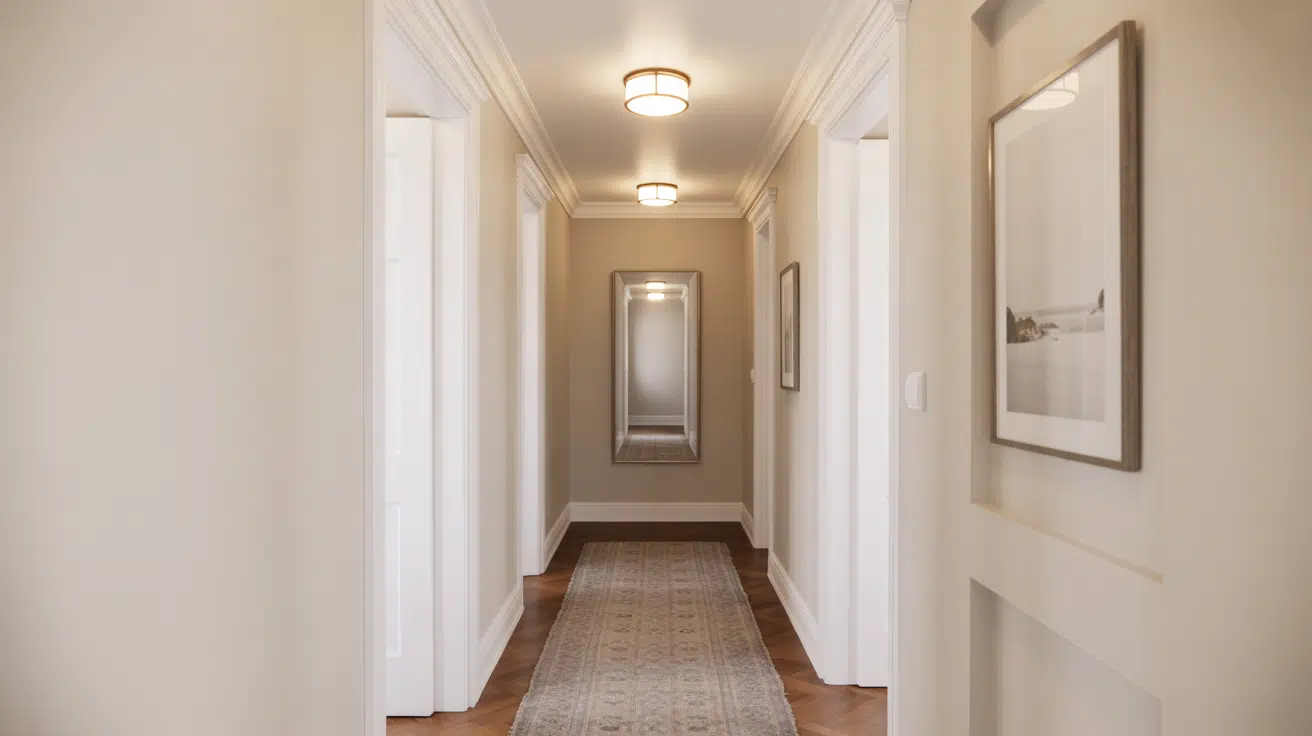
Dark hallways can feel like wasted space, but they don’t have to stay that way.
If your hallway feels tight and gloomy, I get it; it’s hard to know where to start. The good news is that a few simple changes can make a big difference.
In this post, I’ll share practical, narrow dark hallway ideas that help you bring in light, color, and warmth without major remodeling. You’ll learn how to use lighting, paint, molding, and decor to make your hallway look open and inviting.
By the end, you’ll have easy ways to brighten your space and turn it into a part of your home you actually enjoy walking through.
What Makes a Hallway Feel Brighter?
A bright hallway isn’t just about adding more lights. It’s about how light moves through the space and what it bounces off.
When your walls, floor, and decor reflect light instead of absorbing it, even a small hallway can feel open and inviting.
Color, reflection, and balance all play a part. Light paint, shiny surfaces, and simple lines help light spread evenly.
Mirrors and metallic finishes bounce brightness from one side to the other. Keeping the hallway free of clutter also helps light travel farther, making every inch look brighter and more open.
Narrow Dark Hallways Ideas with Better Lighting
Good lighting can completely change how a hallway feels. Even small updates make a dark, narrow space look open and bright.
When planning your narrow hallway ideas, start with lighting; it sets the tone for everything else.
1. Overhead Lighting

Lighting is the most important part of fixing a dark hallway. Swap dim or harsh lights for bright but soft fixtures. Flush or semi-flush ceiling lights spread light evenly without taking up much space.
If your hallway is long, use two or three lights instead of one. This prevents dark spots and helps the light spread from end to end.
Interior designer Rachel Chen always recommends spacing fixtures about 6-8 feet apart for the most balanced coverage throughout the space.
2. Wall Lighting

Wall sconces add light at eye level, which helps soften shadows and create balance. They also add warmth and make the hallway feel more inviting. For rentals, use plug-in sconces that don’t need wiring.
Mount them slightly above eye level and use warm white LED bulbs for a soft glow that feels cozy but bright.
My neighbor Sarah installed battery-operated sconces in her rental hallway, and the transformation was incredible; the space went from feeling like a tunnel to actually welcoming.
3. Hidden and Accent Lighting

Hidden lighting adds a modern touch and helps your hallway glow gently. You can install LED strips along the top edge of walls, under shelves, or near the floor. This gives your space a soft, continuous light.
Small spotlights or picture lights are also great for highlighting art, molding, or textured walls. They draw attention to design details and make your hallway feel more layered and open.
Lighting specialist Mark Davidson suggests placing LED strips behind crown molding for an elegant floating effect.
Best Paint and Color Choices for Narrow Hallway
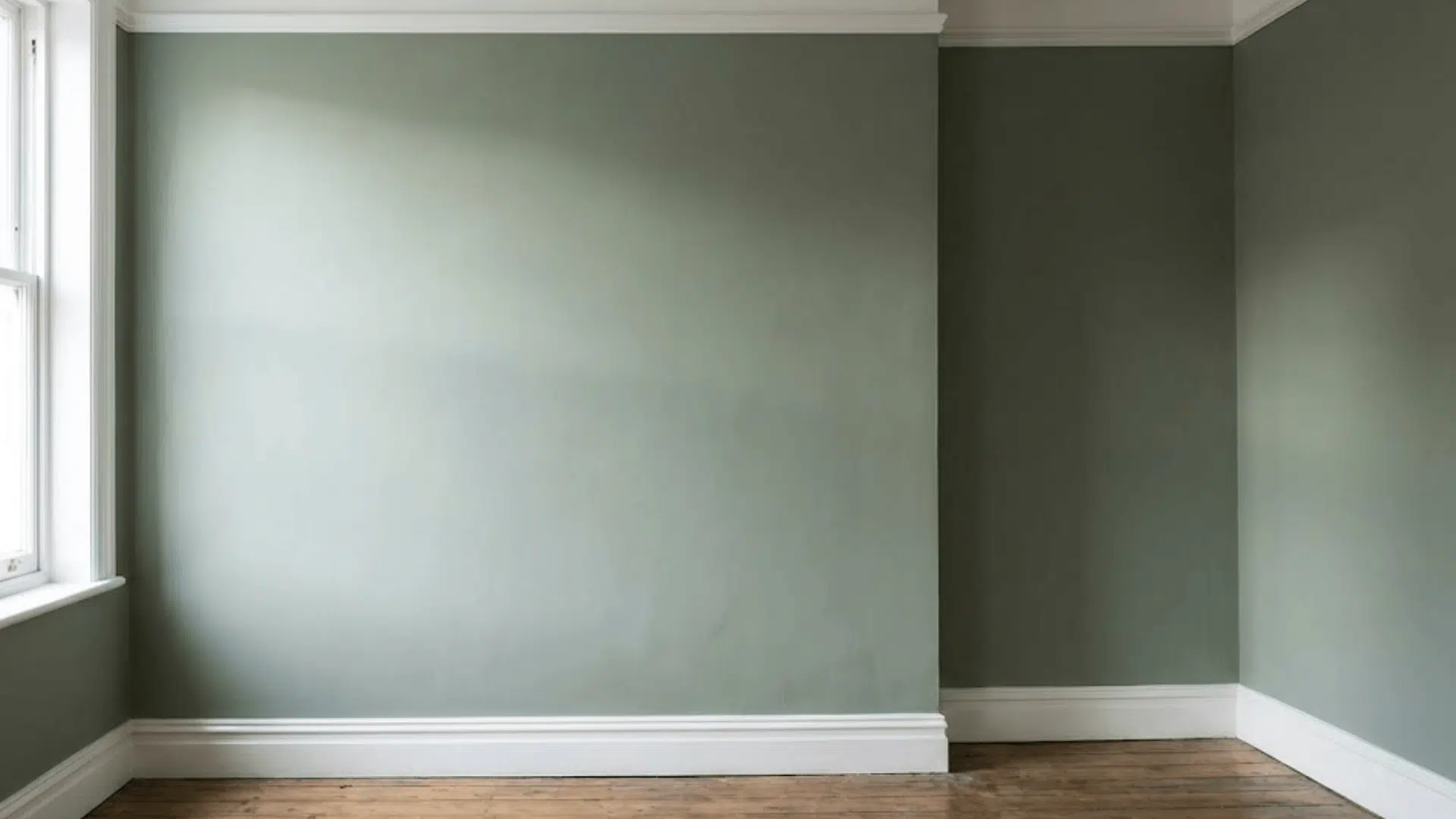
The right paint can make a hallway look wider and brighter right away. Light shades help reflect both natural and indoor light, so the space feels more open.
Before adding new decor or molding, focus on choosing colors that lift the mood and work well with your narrow hallway ideas.
4. Light, Warm Neutrals

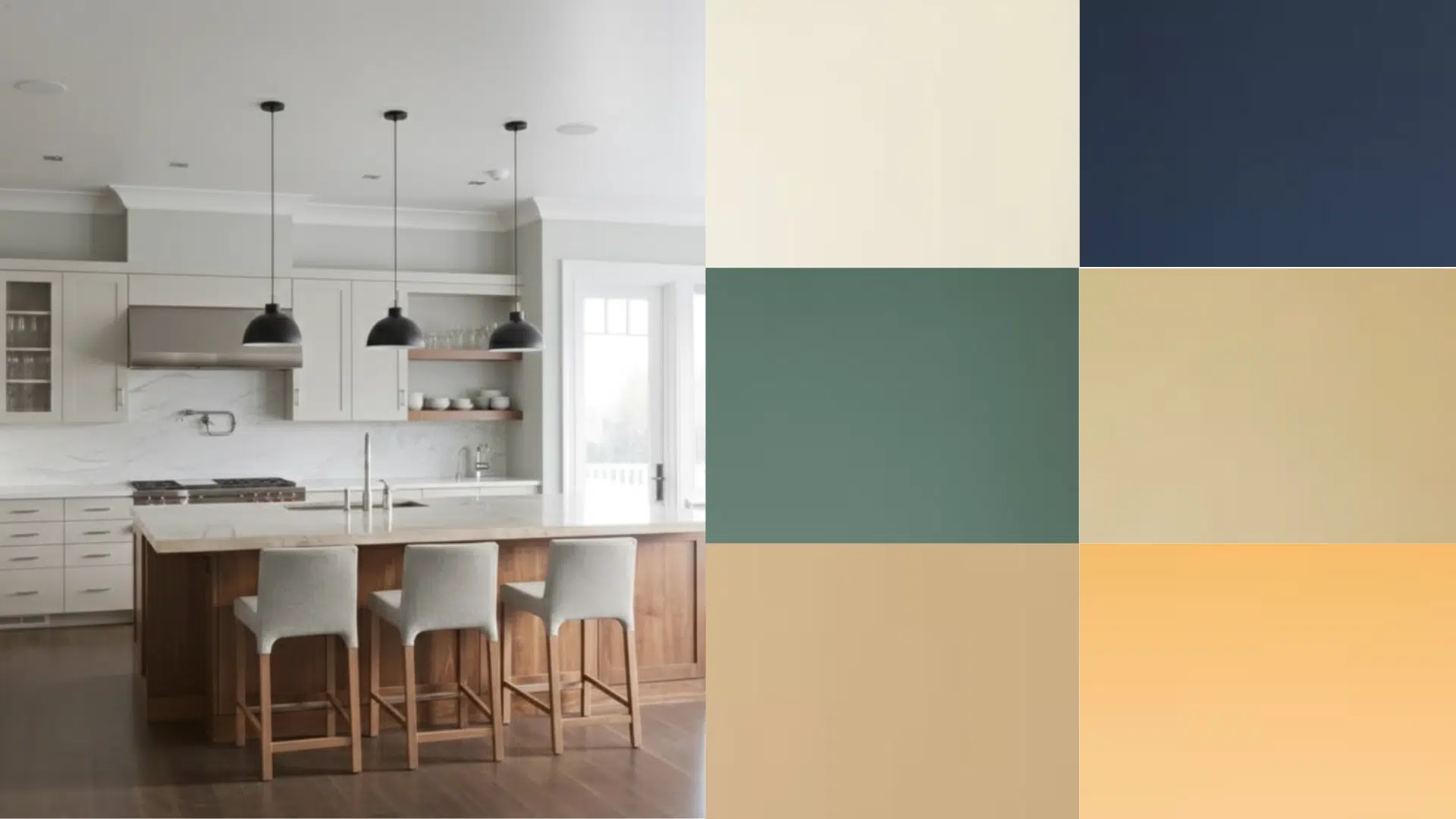
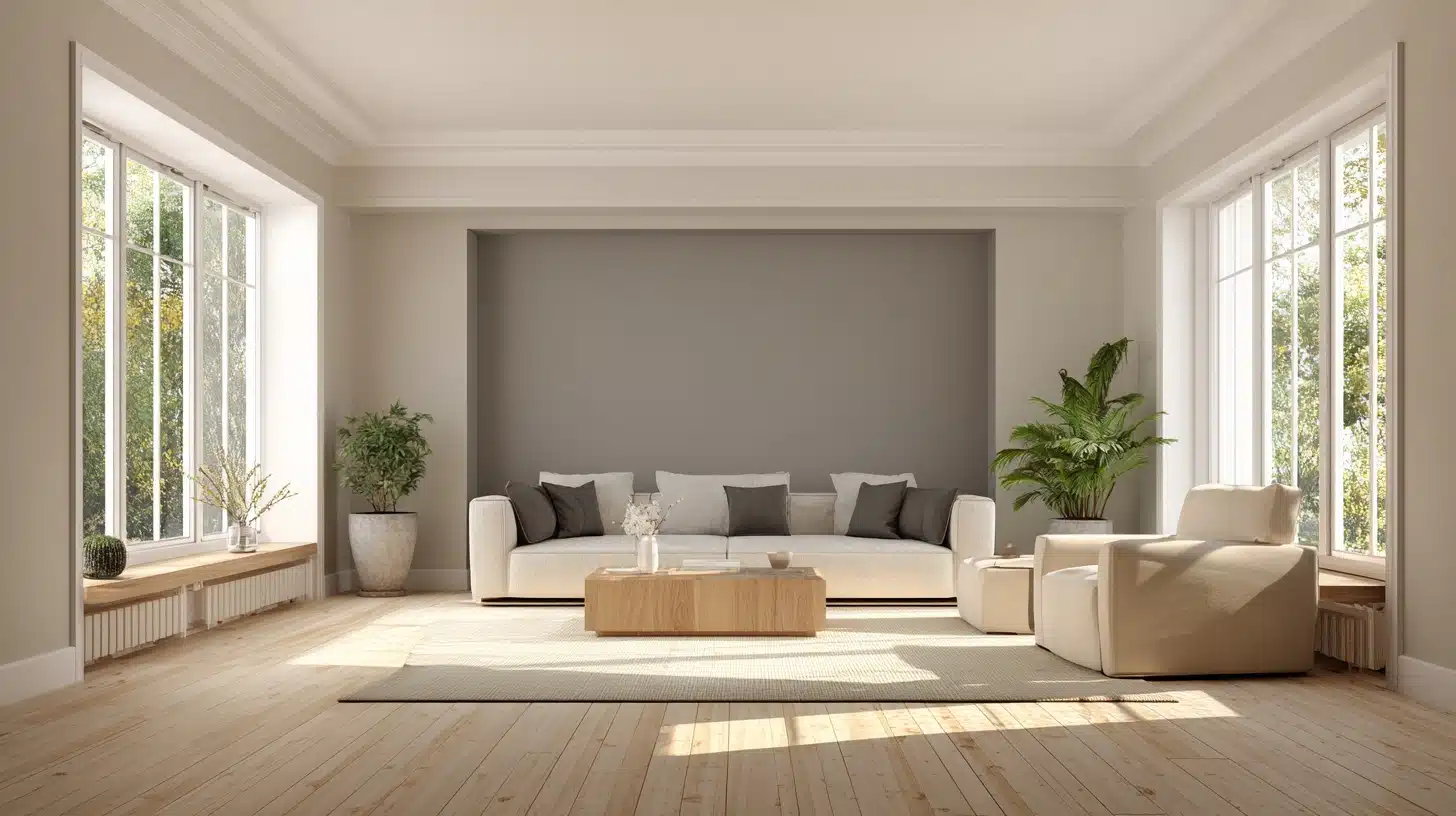
Soft whites, creams, and pale grays are great choices for reflecting light. These colors make dark hallways feel brighter without feeling cold.
If your hallway doesn’t get natural light, skip bright white; it can look harsh under artificial lighting. Warm neutrals create a softer, cleaner look.
I recently painted my own hallway in a warm greige shade, and it completely changed how inviting the space feels. Visitors always comment on how much brighter it looks now.
5. Monochrome and Color Drench

Painting your walls, ceiling, and trim in one color is a simple way to make a hallway feel taller.
When everything blends together, your eye flows smoothly, and the space feels more open. This technique works especially well with soft beiges or light gray tones.
Color consultant Jennifer Brooks has used this approach in dozens of narrow spaces and says the key is choosing a shade with just enough warmth to prevent that cold, sterile feeling.
6. Two-Tone Walls

For more depth, paint the lower part of the wall slightly darker and keep the top light.
The contrast adds structure without making the hallway feel heavy. You can use painter’s tape to create a clean dividing line about one-third up the wall.
This classic technique works particularly well when you want to add visual interest while still keeping the space feeling open and airy. The darker lower section also helps hide scuff marks in high-traffic areas.
7. Paint Finish and Sheen

Satin and eggshell finishes reflect light gently and keep your walls looking clean.
Avoid flat finishes; they absorb light and make dark spaces feel dull. A bit of sheen can help bounce light around your hallway and brighten every corner.
Professional painter Michael Torres always tells his clients that the finish matters just as much as the color; he’s seen hallways converted simply by switching from flat to satin paint.
Narrow Hallway Molding and Wall Detail
Adding simple wall details can bring shape and balance to a narrow hallway. Molding, rails, or light paneling give plain walls more interest without taking up space.
When planning your narrow hallway ideas, choose clean lines and soft colors to keep the area bright and open.
8. Dado Rail or Chair Rail

Adding a dado rail helps break up plain walls and adds character without taking up space.
Painting the lower half a shade darker adds dimension while keeping the top bright. It’s a small update that makes a big difference in narrow spaces.
Carpenter David Miller installs these in Victorian-style homes regularly and notes that positioning the rail 32-36 inches from the floor creates the most balanced, proportional look for standard ceiling heights.
9. Picture Rail

A picture rail gives you an easy way to hang art without drilling into your walls.
It also draws the eye upward, making the ceiling look taller. You can change your artwork anytime for a quick refresh.
My friend Laura installed one in her rental hallway, and she loves being able to swap out her gallery wall seasonally without worrying about patching holes when she moves out.
10. Simple Paneling or Beadboard

Paneling adds texture and warmth. Choose thin vertical panels or beadboard painted in light shades.
This helps the hallway feel taller and cleaner without making it look crowded. The vertical lines naturally guide the eye upward, creating an illusion of height.
Designer Emily Watson recommends keeping panels no wider than 4 inches to maintain that elongating effect without overwhelming a narrow space.
11. Mirrors and Reflective Accents

Mirrors are one of the easiest ways to open up a dark hallway. Place a large mirror at the end of the hall to create the illusion of depth.
Hanging smaller mirrors along one side also helps reflect light and make the space feel wider. You can also use glass or metallic accents, like frames, vases, or decor, to bounce light around.
Even a small mirrored tray on a console can make a noticeable difference in how bright the space feels throughout the day.
Flooring and Hallway Runners
The right flooring can make a narrow hallway feel longer and lighter. Light wood, smooth tiles, or a soft runner help guide the eye forward and brighten the space.
When choosing flooring for your narrow hallway ideas, stick with light tones and simple patterns to keep it open and easy to walk through.
12. Runner Rugs

A long, light-toned runner guides your eye forward and makes your hallway appear longer.
Go for simple, low-contrast patterns to keep the space calm. Washable runners are great for busy homes since they’re easy to clean.
Interior stylist Amanda Peterson suggests measuring your hallway first and leaving 4-6 inches of floor visible on each side. This creates a frame that actually makes the space look wider than wall-to-wall coverage would.
13. Flooring Patterns

Light wood floors or diagonal patterns make a hallway look wider. Keeping the same flooring as the nearby rooms helps the area flow naturally.
If you use tile, pick lighter shades and thin grout lines to keep the space open and bright.
Flooring specialist Robert Chang mentions that laying wood planks perpendicular to the hallway’s length can also create a widening visual effect that works particularly well in very narrow spaces.
Real Owner Experience: Before and After

Real hallway makeovers show just how much light, color, and smart storage can change a space.
In one Houzz feature, designers transformed narrow entryways into open, welcoming areas using mirrors, soft paint tones, and clever layout choices.
You can see six real examples of dark hallways turned bright and inviting here: 6 of the Best Before and After Hallway Transformations on Houzz.
Smart Storage for Narrow Hallways
The goal is to keep things organized without crowding the space. Wall-mounted or shallow storage solutions are perfect for maintaining an open feel while still adding function.
- Floating Shelves: Mount slim shelves along one wall to hold small items like keys or mail without blocking the walkway. They keep essentials within reach while leaving the floor open.
- Slim Cabinets: Choose shallow cabinets that sit close to the wall. They offer hidden storage for shoes or cleaning supplies and help the hallway look neat and uncluttered.
- Peg Rails: Use a wooden peg rail for hanging coats, hats, or bags. It’s an easy way to organize daily items while keeping surfaces clear.
- Wall-Mounted Consoles: A floating console table adds style and storage without taking up space. Add a small basket underneath for extra function.
- Baskets and Bins: Use woven baskets or fabric bins to hide clutter on open shelves or under benches. Matching containers help keep the hallway tidy and visually consistent.
With a few thoughtful choices, you can make a narrow hallway just as practical as any other room. Keeping things simple and off the floor not only saves space but also makes the area look cleaner and brighter.
Wall Decor and Art Placement
Art adds life to a narrow hallway, but balance matters. Choose pieces that fit the space and keep the layout clean. Matching frames and even spacing help create a calm, organized look.
- Go Small and Simple: Use small to medium art pieces spaced evenly on one wall to keep the hallway open.
- Match Your Frames: Pick the same frame color or material for a neat, unified style.
- Add One Focal Piece: A single large artwork at the end of the hallway draws the eye forward.
- Try a Simple Gallery Row: Hang two or three prints in a straight line for a tidy, modern touch.
Keep your walls uncluttered and consistent so the art enhances the hallway without making it feel crowded.
Doors and Sightline Tricks
Doors play a big role in how open your hallway feels. Solid doors can block light and make the space look shorter, while glass-panel doors let light pass through and brighten the area.
If changing doors isn’t possible, paint them the same color as the walls to help them blend in. This creates a smooth, continuous look that makes the hallway feel longer.
Add a simple focal point, like a mirror, framed photo, or tall plant, at the end of the hall to draw the eye forward and keep the space visually balanced.
Budget and Renter-Friendly Tips
Refreshing a dark hallway doesn’t have to mean tearing anything down or spending a lot. With a few renter-safe updates, you can brighten the space and make it feel completely new.
| Tip | What It Does | Why It Works |
|---|---|---|
| Peel-and-stick wallpaper | Adds pattern or texture without long-term commitment. | Great for renters; easy to remove and change anytime. |
| Battery-powered or plug-in sconces | Brings extra light to dark corners without wiring. | Quick to install and reenter-safe. |
| Light paint on doors and trim | Brightens the hallway and refreshes the look. | Simple weekend project with a big visual payoff. |
| Stick-on LED lights | Adds soft glow under shelves or in shadowed spots. | Inexpensive and helps lighten dark areas instantly. |
Small, low-cost updates like these can make a narrow hallway look brighter and more cared for without major changes. They’re easy to swap out, so you can keep experimenting until the space feels just right.
Common Mistakes to Avoid
Even with good design plans, it’s easy to make small choices that work against a narrow hallway. Paying attention to lighting, furniture size, and color can help you avoid the most common design errors.
- Using Bulky Furniture or Too Much Decor: Large pieces or crowded walls make the hallway feel tighter and harder to walk through.
- Choosing Dark Flooring or Heavy Paint Colors: These absorb light and make the space look smaller instead of bright and open.
- Relying on One Overhead Light: A single light often leaves shadows. Add wall sconces, LED strips, or accent lights to spread brightness evenly.
- Ignoring Balance and Spacing: Uneven wall art or mismatched heights draw attention to the hallway’s narrow shape.
Avoiding these small mistakes helps your hallway feel open, well-lit, and easy to move through. With a few smart adjustments, even the narrowest hallway can look balanced and bright.
Final Thought
Brightening a hallway doesn’t take a huge remodel, just a few smart choices. With the right mix of lighting, color, and layout, you can make even the tightest hallway feel open and inviting.
I hope these narrow dark hallway ideas help you see that small details truly matter; a runner, a wall sconce, or a fresh coat of paint can completely shift the space.
Take a look around your own hallway and think about what feels too dim or crowded. Start with one small change and build from there.
If you liked these ideas, check out more of my posts for simple ways to make every part of your home brighter and more comfortable.