Every home tells a story through the pieces that fill its rooms. A well-chosen sofa anchors your living space, a sturdy dining table brings your family together, and the right bed changes your bedroom into a personal retreat.
Yet shopping for furniture can quickly become overwhelming with endless options and unfamiliar terms. I’ve found that understanding the different types of furniture available changes everything.
Knowing how pieces are grouped by function, material, and style helps you narrow your choices and create spaces that truly work for you.
From seating and storage to accent pieces and outdoor essentials, each category serves a distinct purpose. Material choices impact durability and care, while style selections set the mood for your entire room.
The Role of Furniture in Home Design
Furniture forms the backbone of every living space, combining comfort, function, and design into pieces that change empty rooms into homes.
From beds that promise restful sleep to dining tables that gather families together, each piece serves a purpose beyond mere decoration.
Yet understanding the various types of furniture available can feel overwhelming; styles range from minimalist to ornate, materials span from solid wood to sleek metal, and functions vary dramatically across categories.
Different types of furniture respond to specific needs: seating pieces create conversation areas, storage units organize belongings, and accent pieces add personality.
Materials like wood, metal, and upholstery influence both durability and appeal, while style choices from contemporary to traditional shape a room’s entire atmosphere.
Types of Furniture from A to Z
An easy-to-use alphabetical guide showcasing various furniture from cozy armchairs to zen tables, with descriptions of their functions, uses, and design goals for every room.
List of Furniture from A to F
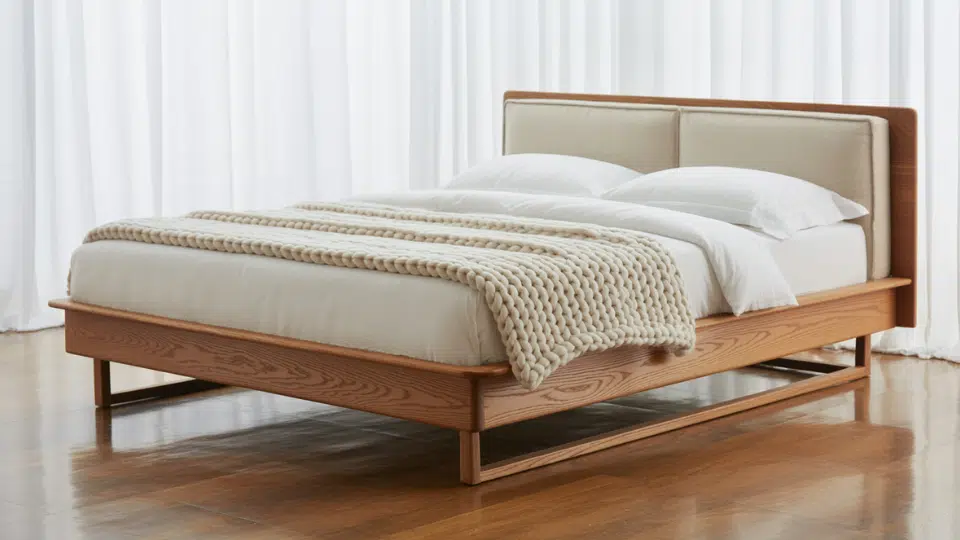
1. Armchair: A cushioned single seat offering comfortable support for arms and back, perfect for reading corners, relaxed lounging, or adding cozy style to living spaces.
2. Armoire: A tall cabinet with shelves and hanging space that stores clothing or linens while adding strong visual presence to bedrooms or dressing areas.
3. Accent table: A small decorative table providing a convenient surface for lamps or decor, used to enhance style and fill empty room corners.
4. Barstool: A tall seat for counters or kitchen islands, offering comfortable elevated seating for casual dining, chatting, or quick meals.
5. Bedframe: A supportive structure that holds a mattress securely, adding height, stability, and style to the bedroom while defining the room layout.
6. Bookshelf: A vertical or horizontal storage unit for books, decor, and plants, helping keep rooms organized while adding personality and structure.
7. Chest of drawers: A multi-drawer storage piece used for clothing and linens, keeping items organized while offering a useful surface for decor.
8. Coffee table: A central living room table for drinks, books, and decor, helping tie seating arrangements together with function and style.
9. Credenza: A long low storage cabinet that hides dining or office items while giving the room a clean, polished appearance.
10. Daybed: A flexible piece serving as both sofa and bed, ideal for compact rooms or multipurpose spaces needing comfort and versatility.
11. Desk: A workspace surface for writing or computer tasks, offering a stable area with storage that supports productivity and organization.
12. End table: A small table beside sofas or beds, holding lamps, drinks, or essentials while completing seating or sleeping arrangements.
13. Entertainment unit: A media storage center that holds televisions, electronics, and accessories, keeping cables tidy and creating a unified viewing setup.
14. Entryway bench: A handy seating area near the door, useful for putting on shoes and storing items to keep the entry space neat.
15. Filing cabinet: A drawer-based unit that keeps documents organized and easily accessible, ideal for home offices or workspaces needing tidy storage.
16. Footstool: A small raised platform for supporting feet while sitting, adding comfort and pairing well with chairs or sofas.
List of Furniture from G to K
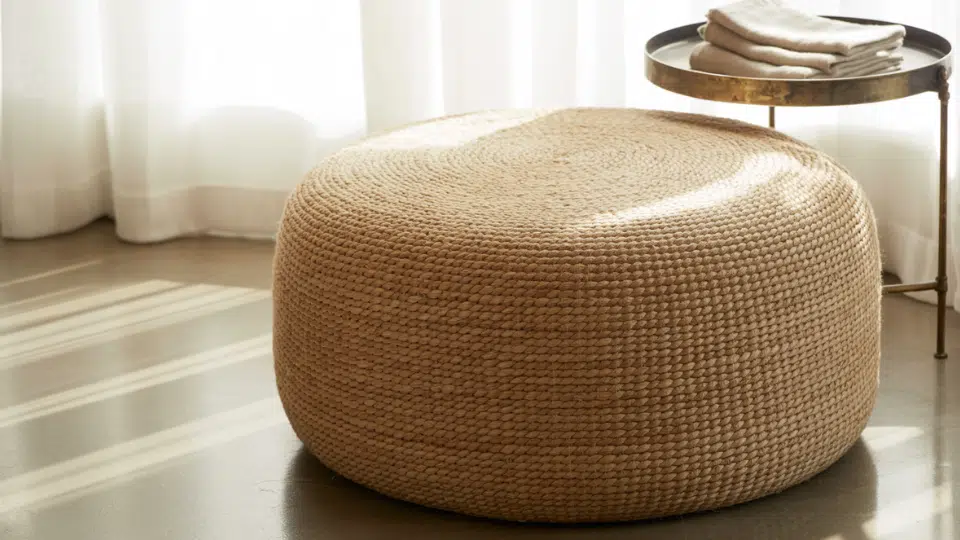
17. Glider chair: A smooth-moving seat designed for gentle back and forth motion, offering comfort for nurseries, reading corners, or relaxation spaces.
18. Game table: A sturdy tabletop designed for board games or cards, providing enough space for players while keeping gaming pieces organized.
19. Garden bench: An outdoor seating piece that offers a simple resting spot, adding charm and functionality to patios, porches, or garden paths.
20. Hutch: A storage cabinet with shelves or glass doors, used to display dishes, decor, or collectibles while keeping dining areas organized.
21. Headboard: A decorative panel attached behind a bed, adding comfort, style, and supportive structure to the bedroom.
22. High chair: A raised seat for children at the table, offering safety, support, and easy cleaning during meals.
23. Island cart: A rolling kitchen cart with shelves or drawers that adds mobile workspace and storage for cooking tools or ingredients.
24. Iron bed: A durable metal-framed bed offering classic style, strong support, and long-lasting structure in traditional or modern bedrooms.
25. Jewelry armoire: A tall organizer with drawers and compartments designed to store necklaces, rings, and accessories neatly and safely.
26. Jute ottoman: A natural fiber ottoman that provides extra seating or a footrest while adding earthy texture to living rooms or bedrooms.
27. Kitchen chair: A comfortable dining or breakfast seating option designed to pair with tables, offering stability and everyday practicality for meals and gatherings.
28. Kneeling bench: A small cushioned bench designed to support knees during tasks like gardening or prayer, offering comfort and reducing strain.
List of Furniture from L to Q
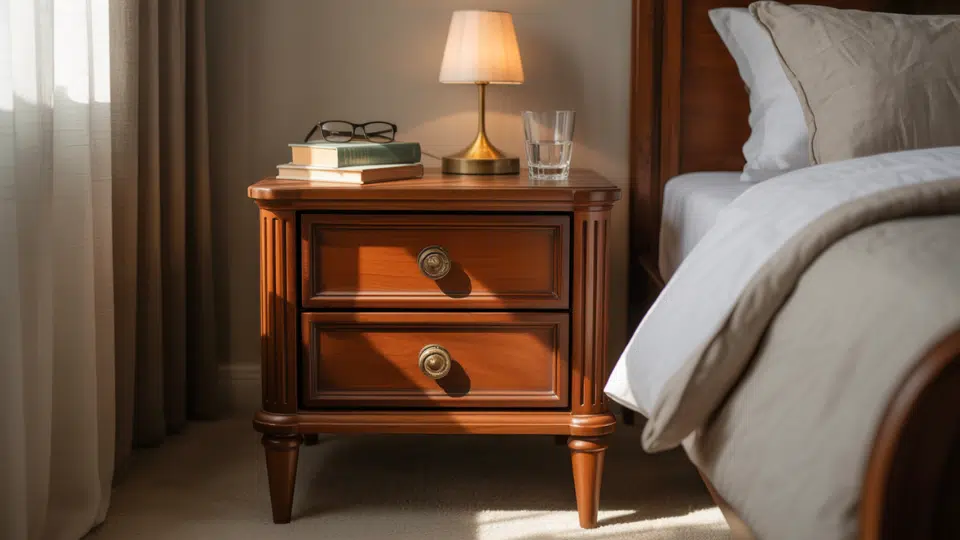
29. Loveseat: A compact two-seat sofa offering cozy seating for small spaces, ideal for living rooms, offices, or reading corners.
30. Lounge chair: A comfortable reclining chair designed for extended relaxation, often used in living rooms, patios, or poolside areas.
31. Lift top table: A table with a rising surface that creates a convenient workspace or dining spot while providing hidden storage underneath.
32. Mattress: A cushioned sleeping surface designed to support the body comfortably, available in various firmness levels for restful sleep.
33. Media console: A low storage unit that holds televisions, electronics, and accessories while keeping cables and components organized.
34. Modular sofa: A flexible multi-piece sofa that can be rearranged to fit different layouts, offering versatility for large or changing living spaces.
35. Nightstand: A small bedside table that holds lamps, books, or essentials while keeping nighttime items accessible and organized.
36. Nursery rocker: A gentle rocking chair designed for soothing infants, providing comfort for feeding, bonding, or quiet moments.
37. Ottoman: A cushioned footrest or extra seat that adds comfort to seating areas while offering decorative style.
38. Office chair: A supportive desk chair designed for comfortable sitting during work, often featuring adjustable height and ergonomic features.
39. Outdoor sofa: A weather-resistant seating piece designed for patios and gardens, offering comfort and durability for open-air lounging.
40. Pantry cabinet: A tall storage unit used to organize food, cookware, and kitchen supplies, helping keep cooking areas tidy.
41. Platform bed: A mattress-supporting frame with a low-profile design that eliminates the need for a box spring.
42. Patio table: An outdoor table designed for dining or relaxing, made to withstand sun, moisture, and daily use.
43. Queen bed: A mid-sized bed offering comfortable sleeping space for one or two people, fitting most bedrooms without crowding.
44. Quilt rack: A simple stand designed to display or store quilts and blankets neatly while keeping them easily accessible.
List of Furniture from R to V
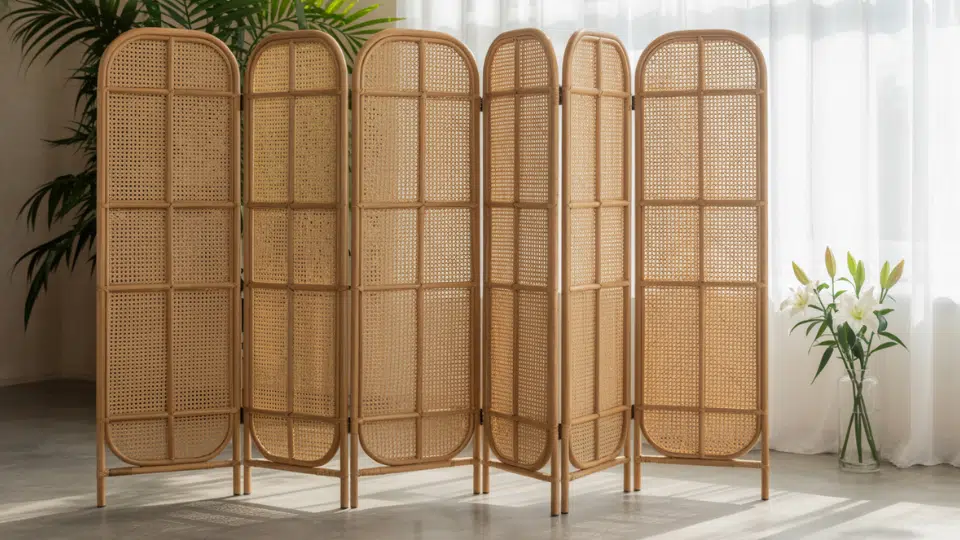
45. Recliner: A cushioned chair that leans back and often includes a footrest, offering comfortable relaxation for reading, napping, or watching television.
46. Rocking chair: A gently moving chair with curved legs that creates a soothing rocking motion, ideal for relaxation or calming moments.
47. Room divider: A standing panel used to separate spaces, create privacy, or define areas within open rooms while adding decorative interest.
48. Sideboard: A long storage cabinet used in dining rooms to hold dishes, linens, or serving items while adding stylish surface space.
49. Sofa: A multi-seat cushioned seating piece that anchors living rooms and provides comfortable space for conversation, lounging, or entertainment.
50. Storage bench: A bench with hidden compartments that offers seating and organization for shoes, blankets, or household items.
51. Table lamp: A small lighting piece placed on tables or nightstands that provides focused illumination for reading, ambiance, or task work.
52. Trunk: A sturdy storage box used to hold blankets, keepsakes, or seasonal items while doubling as a decorative accent.
53. TV stand: A low unit that supports a television and organizes media devices, keeping cables and accessories tidy.
54. Upholstered bench: A padded bench offering soft seating for entryways, bedrooms, or dining areas while adding comfort and style.
55. Utility shelf: A simple shelving unit designed for practical storage in garages, closets, or laundry rooms.
56. Vanity table: A small table with drawers or mirrors used for makeup, grooming, or personal organization in bedrooms or dressing areas.
57. Vintage trunk: A classic style storage trunk that adds character and provides space for storing blankets, clothing, or keepsakes.
List of Furniture from W to Z
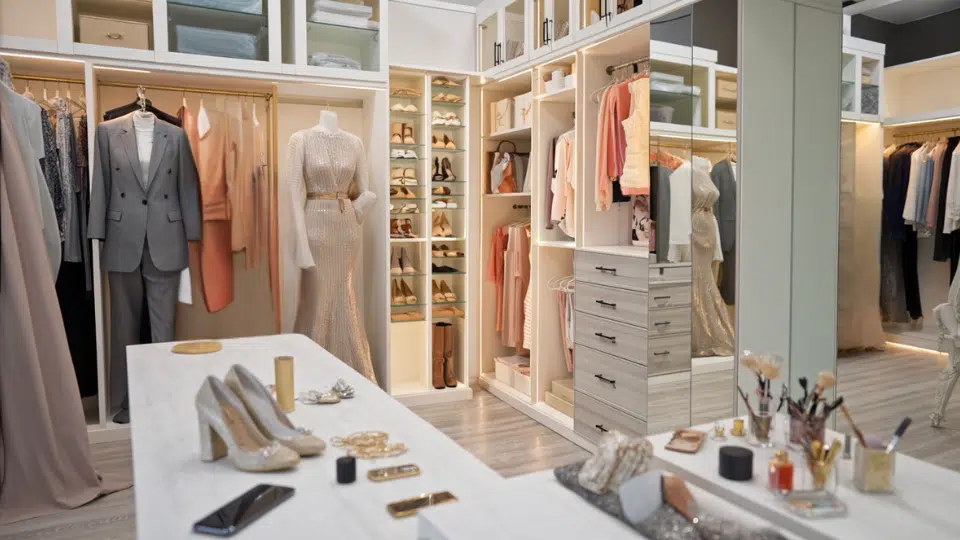
58. Wardrobe: A tall freestanding closet used to store clothing, accessories, and linens, offering organized hanging and shelf space for bedrooms.
59. Wall shelf: A mounted shelf that displays decor, books, or essentials while saving floor space and adding visual interest to walls.
60. Writing desk: A compact desk designed for simple tasks like journaling or laptop work, providing a tidy workspace in small rooms.
61. X frame bench: A sturdy bench with crossed legs that adds stylish seating for entryways, living rooms, or bedrooms.
62. X back dining chair: A dining chair featuring an X-shaped backrest that offers support and adds decorative appeal to kitchen or dining areas.
63. Youth bunk bed: A stacked bed design that saves floor space while providing separate sleeping areas for kids in shared or compact rooms.
64. Yoga chair: A supportive chair used for yoga poses, stretching, or balance exercises, offering stability during practice.
65. Zen table: A simple, low table inspired by minimal design, used to create calm spaces for tea, decor, or relaxation.
66. Z-shaped shelf: A uniquely angled shelf offering decorative display space while adding a modern geometric accent to walls.
How Different Types of Furniture are Sorted
Different ways to categorize furniture make it easier for you to narrow down your options and discover pieces that truly match their specific needs, styles, and spaces.
1. Furniture Sorted by Function
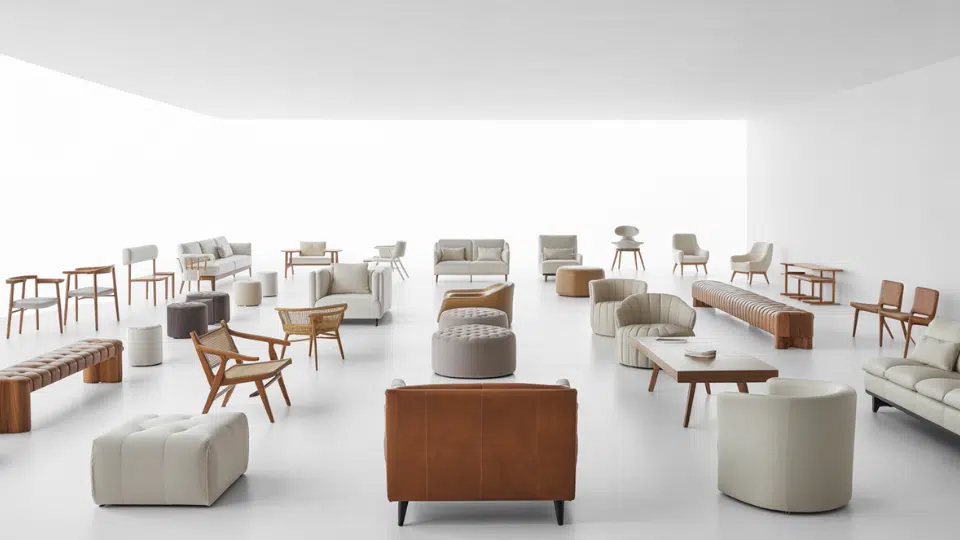
Sorting furniture by function helps you focus on what each piece is meant to do in your space. This method makes planning easier, especially when furnishing new rooms or redesigning layouts.
By understanding purpose first, you can balance comfort, usability, and visual appeal without feeling overwhelmed by style or material choices.
- Seating furniture: Sofas, chairs, and benches designed for comfort, relaxation, conversation, and accommodating guests in both casual and formal spaces.
- Tables: Functional surfaces like dining tables, desks, and coffee tables used for eating, working, displaying décor, or everyday tasks.
- Storage furniture: Cabinets, wardrobes, shelves, and dressers that help organize clothing, documents, décor items, and household essentials efficiently.
- Sleeping furniture: Beds, bed frames, and headboards that support rest and define the bedroom’s layout and comfort level.
- Accent and outdoor pieces: Ottomans, side tables, and patio furniture that enhance functionality while completing indoor or outdoor living areas.
2. Furniture Categorized by Material
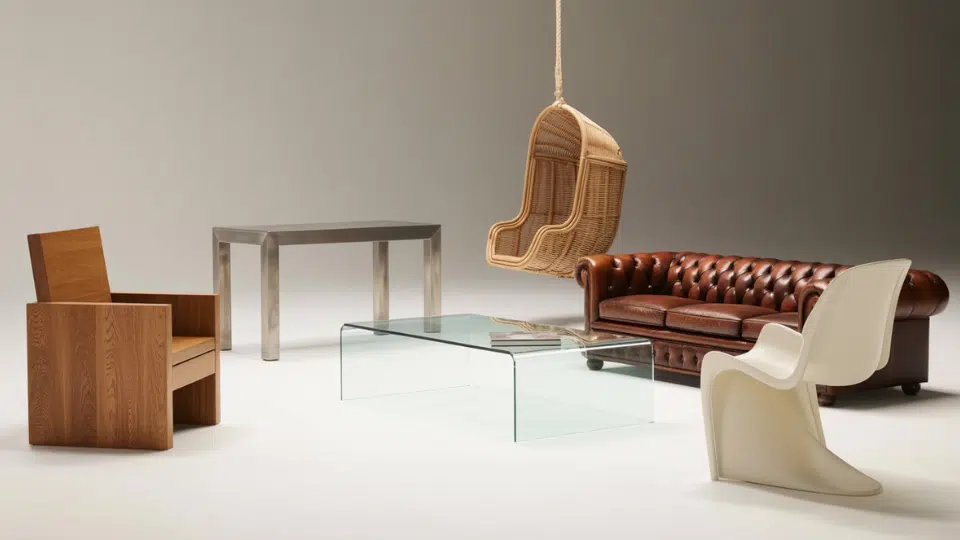
Material-based furniture classification highlights how construction affects durability, comfort, care, and visual impact. Choosing the right material helps match furniture to your lifestyle, budget, and interior theme.
This approach is especially useful when considering maintenance needs, longevity, and how pieces will age over time in different environments.
- Wood furniture: Offers warmth and durability, available in varieties like oak, pine, or walnut for classic or contemporary interiors.
- Metal furniture: Strong and sleek, often used in industrial or modern designs, providing long-lasting support and a bold visual statement.
- Upholstered furniture: Fabric or leather-covered pieces that deliver comfort, softness, and style, ideal for seating and cozy living spaces.
- Glass furniture: Creates a light, open feel, commonly used for tables or shelves in modern and small-space interiors.
- Synthetic and natural fibers: Plastic, acrylic, rattan, or wicker options that are lightweight, affordable, and suitable for casual or outdoor settings.
3. Furniture Grouped by Style

Style-based grouping helps create visual harmony throughout a home. By selecting furniture within a specific design style, you can maintain consistency across rooms.
This method helps express personal taste, whether you prefer sleek modern looks, cozy rustic charm, or bold eclectic combinations that show your personality.
- Modern style: Clean lines, neutral colors, and simple forms that focus on functionality and uncluttered, contemporary aesthetics.
- Traditional style: Ornate detailing, rich wood tones, and classic silhouettes that bring elegance and timeless sophistication to interiors.
- Rustic style: Natural textures, distressed finishes, and reclaimed materials that create warmth, comfort, and a relaxed countryside feel.
- Mid-century modern: Retro-inspired shapes, tapered legs, and balanced forms blending vintage charm with modern practicality.
- Minimalist and industrial styles: Simplified designs or raw materials like exposed metal that emphasize structure, space, and purposeful construction.
4. Furniture Organized by Room
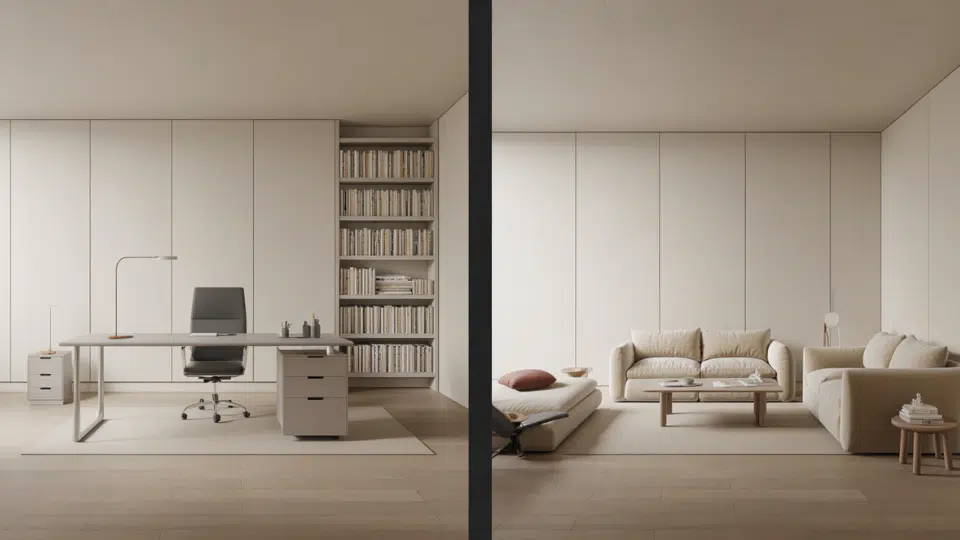
Organizing furniture by room makes shopping faster and more practical. This approach allows you to focus on the specific needs of each space.
Whether furnishing a single room or an entire home, room-based grouping ensures functionality, comfort, and proportion are aligned with how each area is used daily.
- Living room furniture: Sofas, coffee tables, TV units, and accent chairs designed for relaxation, entertainment, and social gatherings.
- Bedroom furniture: Beds, nightstands, dressers, and wardrobes that support rest, storage, and a calm, organized environment.
- Dining room furniture: Dining tables, chairs, buffets, and cabinets created for meals, hosting guests, and displaying tableware.
- Office furniture: Desks, task chairs, filing cabinets, and bookcases that improve comfort, organization, and productivity at work.
- Outdoor furniture: Patio sets, loungers, and benches built for durability and comfort in gardens, balconies, or open-air spaces.
The Bottom Line
Furnishing your home becomes less stressful when you’re armed with clear knowledge about what each piece offers.
Your bedroom doesn’t require every storage option available, just the right ones for you. Your living room thrives with comfortable seating that invites conversation, not necessarily the trendiest styles.
I’ve found that smart furniture choices balance function with aesthetics, durability with budget, and your personal preference with practical requirements.
Your rooms come together naturally when each piece earns its place through purpose and appeal, creating spaces that feel both intentional and lived-in.