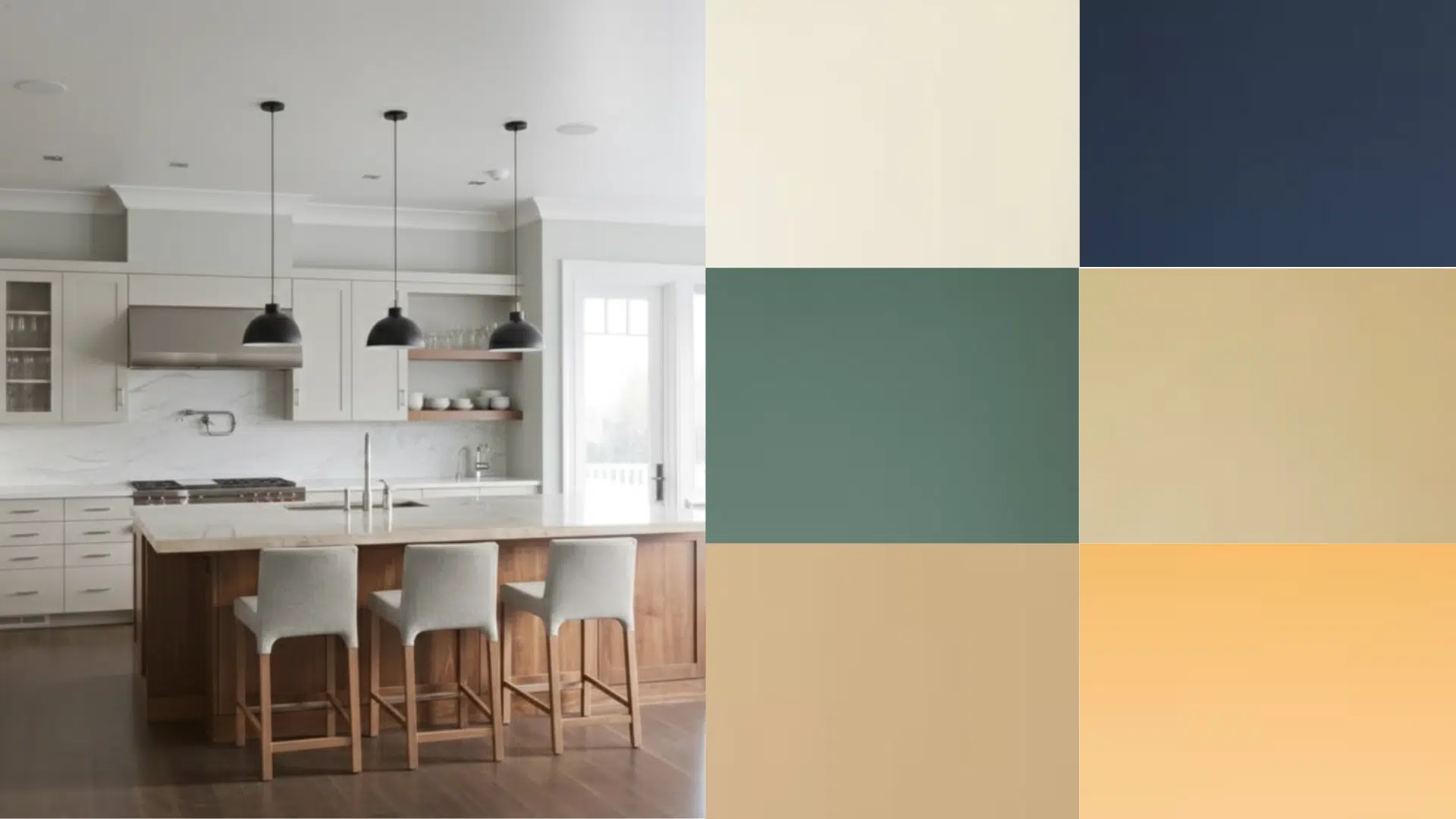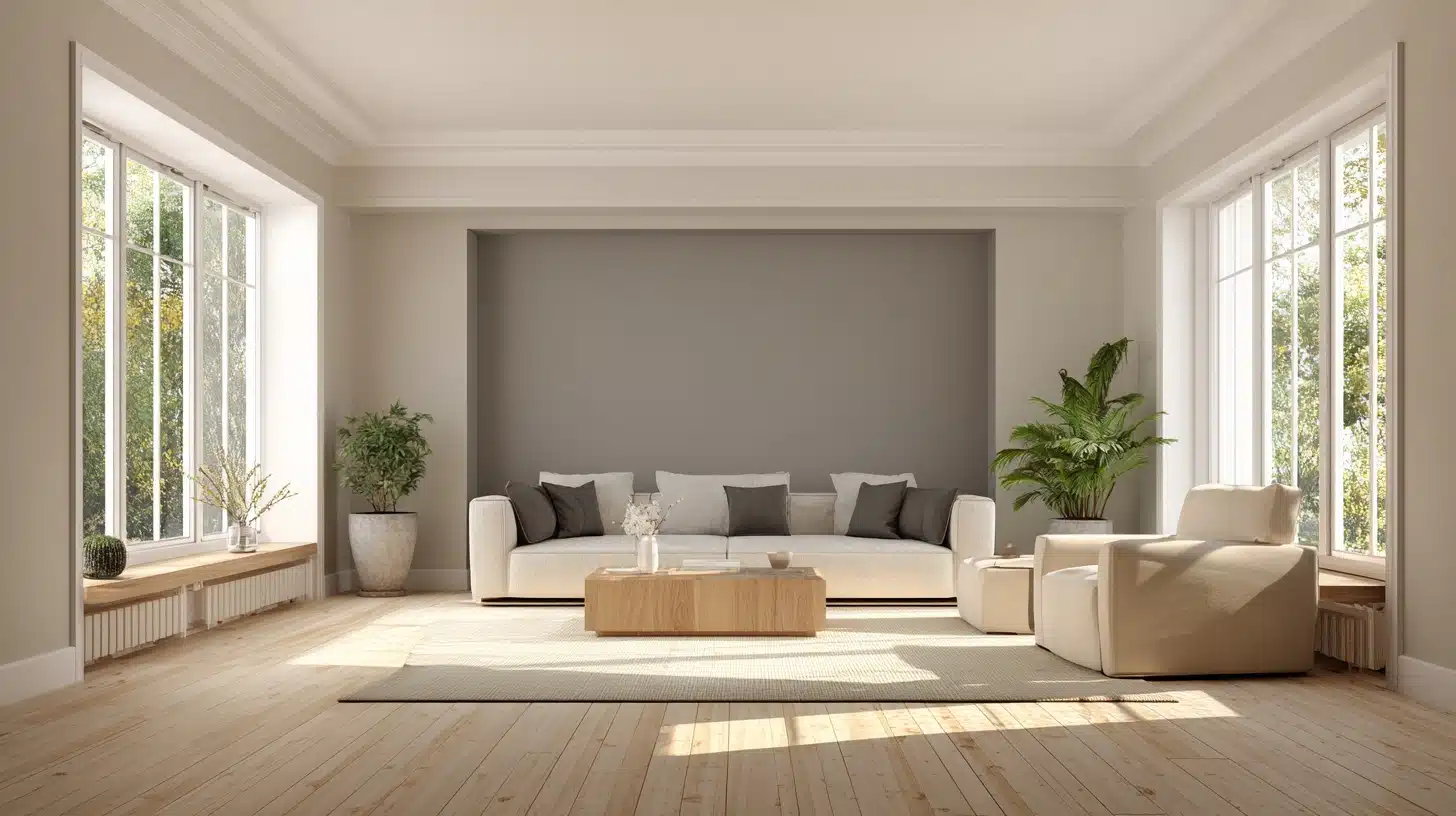
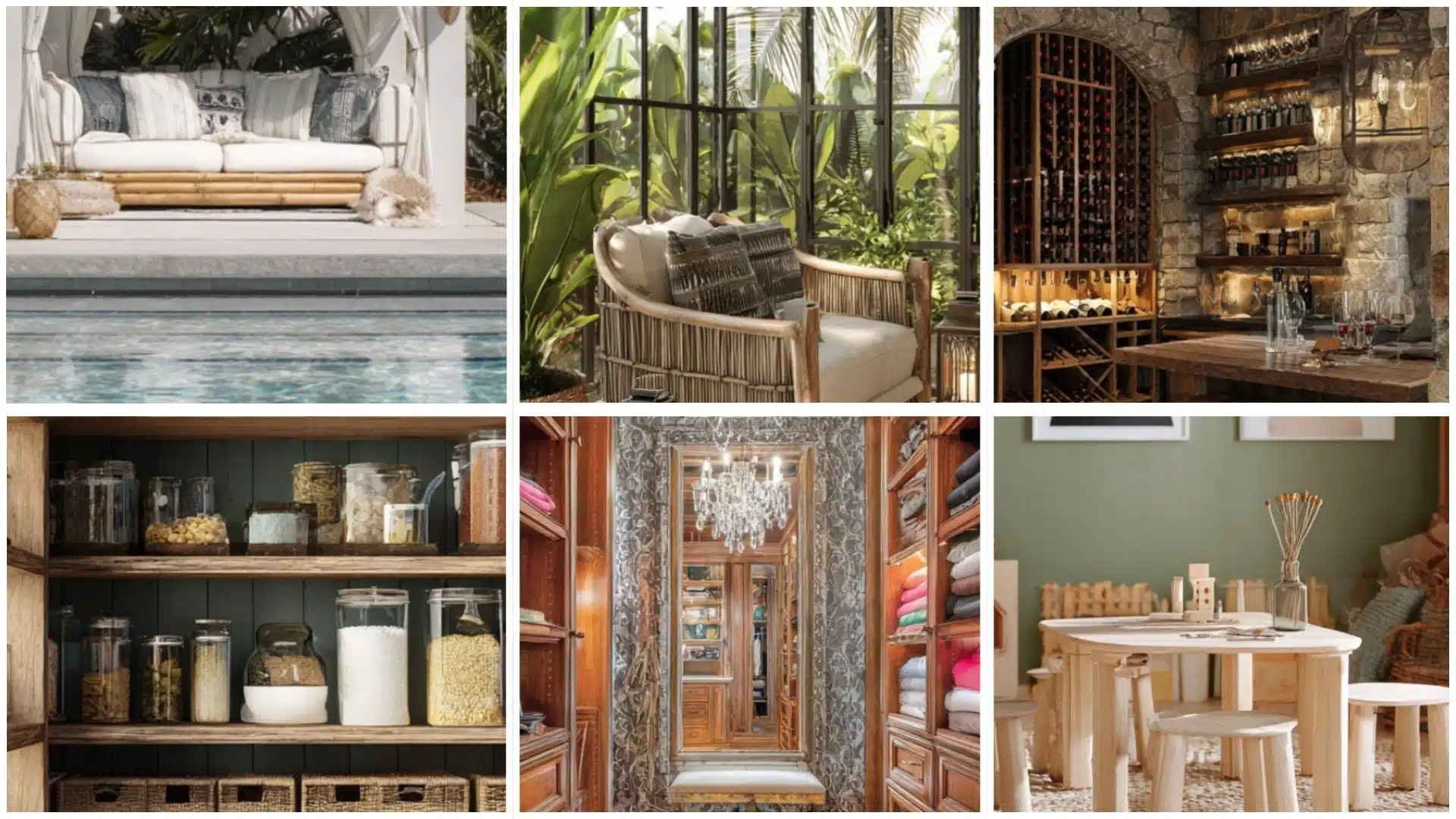
Maybe you’re buying a new place, building from scratch, or just want to use your current home better. Ever walked through a house and wondered what half the rooms are actually for? It can feel overwhelming when you’re trying to figure out all the different spaces.
I understand because each room has its own purpose and design requirements. These choices affect how you live every single day.
Here, I’ll walk you through living spaces, private areas, utility rooms, specialty spaces, and all different types of rooms in houses.
You’ll learn what each room is used for and how it fits into your daily life. By the end, you’ll know exactly which rooms your home needs and which ones you can skip.
I have added three style inspirations for each type of room in a house. Get ready to enhance your house with me!
Understanding the Different Types of Rooms in a House
Houses contain different types of rooms that serve specific purposes in daily life. Living spaces like family rooms and kitchens bring people together for socializing and meals.
Private spaces such as bedrooms and bathrooms provide personal areas for rest and hygiene. Utility spaces include laundry rooms and pantries that handle household maintenance and storage needs.
Specialty spaces like home offices or workshops serve unique hobbies and work requirements. The variety of rooms in houses depends on climate, with some homes having mudrooms in snowy areas or screened porches in warm regions.
Understanding all room types helps you make better decisions when buying, building, or remodeling your home for your family’s specific needs.
1. Living Room

The living room is where family and friends come together to relax, chat, or enjoy movies. It matters because it creates a warm and inviting space for everyone to feel comfortable.
Common furniture includes sofas for sitting, coffee tables for holding drinks and snacks, and entertainment units for TVs or books.
The layout should allow easy movement and good interaction between people. Use natural light when you can, and add lamps or overhead lights for relaxing evenings and reading.
Modern Design
Modern style is clean and simple with straight lines and smooth surfaces. You’ll need sleek sofas, metal or glass coffee tables, and minimal decorations. Neutral colors, like gray or white, are common.
Lighting is often recessed or track style. Keep the space uncluttered and focus on function. This style feels fresh and open.
Cozy Style
Cozy style uses soft, warm colors like beige and browns. Include plush sofas, lots of cushions, and warm blankets. Wood furniture or rustic finishes add joy. Lamps with warm light create a snug feel.
Decorate with personal items like photos or books. It feels welcoming and comfortable for relaxing or chatting.
Rustic Style
Rustic style highlights natural materials like wood and stone. Furniture is sturdy and often handmade with a rough finish.
Think wooden coffee tables, leather sofas, and woven rugs. Colors are earthy, such as browns and greens. Lighting can include lantern-style fixtures or warm bulbs. It brings the outdoors inside and feels calm and grounded.
2. Kitchen

The kitchen is the heart of the home where meals are made and shared. Open kitchens connect to living or dining areas, making social time easier.
Closed kitchens have walls that keep smells away, but may feel separate. Popular layouts include L-shaped, U-shaped, and galley, all designed for easy movement between sink, stove, and fridge.
Ample counter space and good lighting are important. Bright lights over work areas and natural light keep it lively and practical.
Contemporary Style
Contemporary kitchens are bright, sleek, and smooth. Use stainless steel appliances and handle-free cabinets. The color palette is neutral with a pop of bright color. Counters are usually stone or solid surface with glossy finishes.
Lighting is layered and practical, with under-cabinet lights and pendants. The style balances form and function for a clean look.
Classic Style
Classic kitchens have detailed, raised-panel wood cabinets painted in soft colors. Use traditional backsplash tiles and warm wood floors.
Hardware is often brass or bronze with vintage designs. Lighting includes soft overhead lights and perhaps a chandelier over the dining space. This style feels classy and inviting with a soft, homey feel.
Industrial Style
Industrial kitchens show off exposed pipes and rough materials like concrete and metal. Cabinets may be metal or reclaimed wood.
Open shelving is common to keep things visible. Countertops could be concrete or butcher block. Lighting uses hanging bulbs or metal fixtures. The look is bold, edgy, and functional with an urban feel.
3. Dining Room

Dining rooms can be separate rooms or combined with the kitchen or the living room. Separate rooms offer quiet and formality, while combined areas feel open and social.
Key items are dining tables and chairs that fit the space. Good lighting helps create atmosphere, like natural light from windows or a statement chandelier.
Arrange furniture so everyone fits comfortably and can move easily. Rugs and wall art add style without crowding the room.
Minimalist Style
Minimalist dining rooms have only the essentials: a clean-lined table, simple chairs, and minimal décor. Colors are neutral, mostly white, black, or gray.
Lighting is simple, with recessed or pendant lights. The space feels open, calm, and neat, focusing on function with no clutter.
Vintage Style
Vintage dining rooms use antique or retro furniture in warm wood tones. Chairs may have soft cushions and curved backs.
Add details like patterned rugs, lace curtains, or classic chandeliers. Colors are soft pastels or muted shades. This style feels lovely, thoughtful, and cushy, perfect for family meals.
Coastal Style
Coastal style uses light colors like blues, whites, and sandy beiges. Furniture tends to be casual, made from natural materials like wicker or light wood.
Use bright lighting to mimic daylight. Decorations such as seashells or driftwood add beach vibes. The style is fresh and breezy, making dining feel relaxed and lighthearted.
4. Bedrooms

Bedrooms are spaces for rest and privacy. Master bedrooms are bigger with room for seating and storage.
Guest rooms keep things simple and cozy. Kids’ rooms have bright colors and fun furniture. Small bedrooms need clever storage, like beds with drawers or wall shelves.
Soft, calming colors and comfortable bedding help you relax. Lighting matters too, with soft lamps or dimmable overhead lights, making the room perfect for sleep and quiet time.
Scandinavian Style
Scandinavian bedrooms use light woods and clean, simple furniture. The color palette is light with whites and soft grays.
Bedding is plain but relaxed. Add green plants for freshness and natural light to brighten the space. This style feels calm, neat, and airy with a soft, natural vibe.
Bohemian Style
Bohemian bedrooms mix bright colors, mixed patterns, and many textures. Use layered rugs, colorful pillows, and wall decorations like tapestries.
Furniture can be vintage or handmade. This style feels creative, relaxed, and full of personality. Soft lighting comes from lanterns or string lights to add warmth.
Traditional Style
Traditional bedrooms include polished wood furniture and classic patterns like florals or stripes. Curtains are heavy but smart.
Bedding is often rich in texture and color. Use table lamps and lavish chandeliers for soft lighting. This style feels warm, classy, and inviting, perfect for rest.
5. Bathrooms

Bathrooms vary from full baths with tubs to half baths with just a sink and toilet. En suites offer privacy next to bedrooms.
Small bathrooms need smart solutions like shelving above toilets or wall-mounted sinks. Bright lighting and large mirrors make spaces feel larger.
Choose easy-to-clean surfaces like tiles or waterproof paint. Ventilation is key to avoiding moisture buildup. Clean, simple design helps the bathroom feel fresh and relaxing.
Modern Style
Modern bathrooms have sleek fixtures, simple tiles, and clean lines. Showers often use glass without curtains.
Sinks and toilets are compact and wall-mounted. Lighting is bright but soft, often with LED strips or recessed lights. Storage is minimal but smart with hidden cabinets.
Classic Style
Classic bathrooms use farmhouse sinks, clawfoot tubs, and patterned ceramic tiles. Colors are soft with whites and pastels.
Fixtures are brass or chrome with vintage designs. Mirrors have decorative frames, and lighting can be wall sconces or small chandeliers. This style feels lovable and classy.
Spa Style
Spa bathrooms use calming colors like pale blues and creams with natural materials such as stone and wood.
Soft, dimmable lighting creates a relaxing mood. Add plants or candles for a peaceful atmosphere. Accessories like fluffy towels and bath salts complete the feel of a personal retreat.
6. Laundry Room / Utility Room

Laundry rooms are best placed near bedrooms or kitchens for convenience. Use vertical storage, like shelves or cabinets, to save space.
Include hooks or baskets for sorting clothes. A folding counter is useful if space allows. These rooms often serve multiple purposes, such as a cleaning supply area or pet washing station.
Good lighting and ventilation keep the space fresh and practical for daily chores.
Clean Style
Clean style laundry rooms focus on bright, white cabinets and simple fixtures. Keep surfaces clutter-free, with storage bins and closed cabinets. Use bright, even lighting for easy work. This style feels fresh and efficient.
Industrial Style
Industrial laundry rooms use metal shelves, concrete counters, and exposed pipes. Colors are gray or black with hints of wood.
Lighting is functional, like hanging bulbs or track lights. The look is tough and practical, with rugged materials.
Rustic Style
Rustic laundry rooms feature wood shelves and vintage hooks. Use warm colors and natural materials. Baskets made of wicker or fabric add delight. Soft lighting from lamps or sconces makes the space comfortable.
7. Mudroom

Mudrooms are entry spaces designed to keep dirt and clutter out. Include shoe racks, coat hooks, and benches for sitting.
Storage bins keep hats, gloves, and pet supplies tidy. Pet-friendly designs may include dog washing stations or feeding spots.
Durable flooring is best suited to handle wet or muddy shoes. Lighting should be bright to make it easy to find what you need and to clean up.
Modern Style
Modern mudrooms use built-in storage with clean lines and simple hardware. Colors are neutral, often white or gray.
Seating is minimal yet functional. Lighting is bright and efficient, usually recessed or pendant lights.
Cottage Style
Cottage mudrooms feature wooden benches, beadboard walls, and painted cabinets. Use soft colors like pastels or white.
Add baskets and hooks for a comfy hint. Lighting feels warm and homey with wall sconces or lamps.
Urban Style
Urban mudrooms are compact and make use of vertical storage. Use metal racks, wire baskets, and hooks that save space.
Floors are easy to clean, such as tiles or concrete. Lighting is bright and practical, focusing on function in a small space.
8. Pantry

Pantries store food and kitchen supplies for easy access. Walk-in pantries offer large storage and room to move around.
Cabinet pantries save space and fit in kitchens better. Use clear containers and labels for easy finding. Shelves and drawers keep items organized.
Lighting should be bright for visibility. Keep heavy items low and lighter ones up high for safety and convenience.
Farmhouse Style
Farmhouse pantries use open wooden shelves and glass jars. Colors are warm neutrals with natural wood.
Baskets and bins made of wicker or metal add appeal. Lighting is soft and warm with lantern-style fixtures or lamps.
Minimalist Style
Minimalist pantries focus on neat rows and uniform containers. Use clear plastic or glass jars and simple labels.
Shelves are clean and clutter-free. Lighting is bright and white for easy visibility. Everything has its place.
Traditional Style
Traditional pantries have closed cabinets, often with decorative trim. Use wooden shelves inside with classic baskets or bins.
Colors are neutral with soft wood tones. Lighting is warm, often from small ceiling fixtures or sconces, giving a restful feel.
9. Home Office

Home offices need comfortable desks and chairs for long work hours. Small spaces use wall-mounted desks, fold-out surfaces, or compact furniture.
Organize with shelves, drawers, and cable management. Lighting should include natural daylight and task lighting, like desk lamps.
Keep the area quiet and distraction-free to improve focus. Add personal touches to stay motivated and comfortable.
Scandinavian Style
Scandinavian offices use light wood desks and simple chairs. Colors are mostly white with soft pastels. Keep the desk clear except for essentials. Add plants and natural light to brighten the space. The style is calm, neat, and efficient.
Industrial Style
Industrial home offices use metal desks and exposed bulbs or pipes. Furniture is sturdy with raw finishes like distressed wood. Colors are neutral and dark. Lighting is functional, often with task lamps or metal pendant lights. The style looks bold and modern.
Mid-century Style
Mid-century offices use wood desks with clean lines and tapered legs. Chairs often have leather or fabric cushions.
Colors mix warm woods with pops of color like mustard or teal. Lighting includes desk lamps with sleek, curved designs. This style feels retro but polished.
10. Library or Reading Room

A library or reading room offers a quiet space for reading and relaxation. Built-in shelves keep books organized and easy to reach.
Comfortable chairs or sofas create comfortable spots to sit for hours. Soft lighting, like floor lamps or wall sconces, helps reduce eye strain.
The layout should make the space peaceful and inviting, with noise kept to a minimum. Use rugs and curtains to help with sound absorption and comfort.
Traditional Style
Traditional reading rooms use dark wood bookshelves and leather chairs. Colors are rich and warm, like deep reds or browns.
Lighting includes classic lamps with soft, warm light. Add patterned rugs and heavy curtains for a graceful feel.
Modern Style
Modern reading rooms have clean-lined shelves and minimalist furniture. Use neutral colors like white or gray.
Lighting is sleek with recessed or track lights. The style feels open, bright, and uncluttered, focusing on function and calm.
Cottage Style
Cottage reading rooms use painted wood shelves in soft colors and comfy armchairs. Add throw pillows and blankets for warmth.
Lighting is gentle from table lamps or sconces. Decor feels comfy, casual, and inviting.
11. Playroom

Playrooms are designed for children’s fun and safety. Use soft flooring like foam mats or rugs to protect from falls.
Keep toys organized with bins, shelves, or cubbies for easy clean-up. Leave plenty of open space for active play.
Bright, cheerful colors make the room inviting. Ensure furniture has rounded edges and materials are easy to wash. Good lighting helps with activities like drawing or reading.
Colorful Style
This style needs walls painted in vibrant hues and furniture in bold primary colors. Include toy bins in bright shades and shelves with playful designs. Add wall decals or murals with fun themes.
Use patterned cushions and rugs to tie the look together. Bright lighting fixtures complete the energetic vibe
Minimalist Style
Focus on simple furniture with clean geometric shapes and muted tones. Storage should be sleek, with hidden compartments or plain boxes.
Walls are usually white or soft beige. Minimal decorations keep the room serene. Lighting comes from simple ceiling fixtures or recessed bulbs to maintain a clear, calm space.
Nature-Inspired Style
Select wooden toys and natural fiber storage baskets. Use earthy paint tones like moss green or soft browns. Incorporate rugs made from natural materials like jute.
Choose furniture with smooth natural wood finishes. Add leafy plant decor and nature-themed artwork for a calm and organic atmosphere.
12. Home Gym or Exercise Room

A home gym should have the right equipment for your workout style, like mats, weights, or cardio machines.
Use rubber or foam flooring to protect joints and floors. Mirrors help you check your form and make the room feel larger.
Keep the space well ventilated and well-lit with bright overhead and task lighting. Store gear neatly with wall racks or baskets to keep the room safe and tidy.
Modern Style
Use streamlined machines with metal and glass accents. Choose flooring made of dense black or gray rubber tiles. Add large mirrors covering the walls.
Furniture and storage have simple, metallic finishes. Lighting is bright and evenly spread with LED panels and recessed fixtures for a clean, sharp look.
Industrial Style
Include heavy-duty metal shelving and concrete or rubber flooring with a raw finish. Use exposed pipes for a rough appeal.
Select workout benches and racks with black or dark metal. Incorporate bright, utilitarian lighting like barn lights or retro bulbs to highlight the rugged design.
Minimalist Style
Opt for small, essential machines with neutral hues. Storage is concealed behind clean cabinetry. Floors remain uncluttered with pale, smooth surfaces.
Use minimal, adjustable lighting, including soft LED task lights. Decor is kept sparse to ensure an open, quiet area that improves workout focus.
13. Media Room / Home Theater

Media rooms are designed for watching movies or gaming with perfect sound and picture. Use soundproofing materials on walls and ceilings to keep noise in.
Seating should be comfortable and arranged for clear views of the screen. Place the screen at eye level when seated. Use dimmable lighting that won’t glare on the screen.
Blackout curtains help block outside light. Keep cables hidden to reduce clutter and safety hazards.
Contemporary Style
Include sleek leather recliners in neutral tones like gray or black. Use matte, dark walls to reduce reflection. Add built-in recessed lighting and hidden LED strips.
Incorporate minimal side tables and clean-lined shelves for equipment. Maintain a focus on neatness with concealed wires and remote controls.
Retro Style
Choose plush velvet or fabric sofas in rich, warm colors. Decorate with vintage movie posters and popcorn machines. Include retro-style lamps and warm string lighting.
Use bold curtains and patterned rugs. Furniture often features rounded, softer lines with a restful, inviting appeal.
Minimalist Style
Feature low-profile seating with simple black or gray cushions. Walls remain plain white or gray, with no complex decor.
Lighting is subtle, often hidden in ceiling recesses, keeping focus on the screen. Equipment storage is fully integrated or hidden to maintain a clear, distraction-free environment.
14. Game Room

Game rooms are fun spaces for playing pool, board games, or video games with family and friends. Arrange seating so everyone can watch or join in comfortably.
Keep storage ready for game pieces, controllers, or cards. Use durable flooring like hardwood or tile.
Lighting should be bright over game tables but soft in lounging spots. Add cozy seating like sofas or bean bags for breaks between games.
Contemporary Style
Include sleek leather recliners in neutral tones like gray or black. Use matte, dark walls to reduce reflection. Add built-in recessed lighting and hidden LED strips.
Incorporate minimal side tables and clean-lined shelves for equipment. Maintain a focus on neatness with concealed wires and remote controls.
Retro Style
Choose plush velvet or fabric sofas in rich, warm colors. Decorate with vintage movie posters and popcorn machines. Include retro-style lamps and warm string lighting.
Use bold curtains and patterned rugs to improve sentimentality. Furniture often features rounded, softer lines with a comfortable, inviting appeal.
Minimalist Style
Feature low-profile seating with simple black or gray cushions. Walls remain plain white or gray, with no complex decor. Equipment storage is fully integrated or hidden to maintain a clear, distraction-free environment.
15. Walk-in Closet or Dressing Room

Walk-in closets offer plenty of space for clothes, shoes, and accessories. Use shelves, hanging rods, and drawers to keep things organized.
Add storage bins for small items and hooks for bags or belts. Bright, even lighting helps you see colors clearly.
Consider adjustable or layered lighting, including overhead lights and spotlights for detailed areas. A mirror completes the room, making dressing easier and more enjoyable.
Contemporary Style
Contemporary closets use sleek, handle-free cabinets with clean lines. Colors tend to be neutral, like white or gray.
Lighting is bright and even, featuring recessed or LED strips. Organization is tidy and minimal, with open shelves and hidden drawers. The style feels fresh, spacious, and highly functional.
Traditional Style
Traditional closets have wooden cabinetry with detailed moldings. Use warm wood tones and brass hardware.
Lighting is soft and warm from ceiling fixtures or sconces. Closet organization includes a mix of open and closed storage, creating a classic, relaxing feel.
Glam Style
Glam closets include mirrored or glossy surfaces with metallic accents. Use chandelier lighting or wired spotlights for sparkle.
Use clear acrylic organizers and plush seating. Colors are often bold, like black or jewel tones, creating a luxurious atmosphere.
16. Wine Cellar

Wine cellars need temperature control to keep wine fresh, ideally between 50–59°F with 60% humidity. Use display racks that hold bottles horizontally to keep corks moist.
Proper lighting should be dim and indirect to avoid heat damage. Consider glass doors for visibility without opening the space.
Organize racks by wine type or age to make choices easier. Ventilation also helps maintain good air quality.
Rustic Style
Rustic wine cellars use wooden racks and stone or brick walls. Lighting is warm and soft, often from lantern-style fixtures. The space feels natural and old-world, making wine storage part of the home’s appeal.
Modern Style
Modern wine cellars use metal racks and clean glass doors. Lighting is cool and minimal, often LED strips. Walls are simple and neutral. The design feels sleek, organized, and high-tech without clutter.
Classic Style
Classic wine cellars use smart wood racks and rich colors like mahogany. Lighting is soft with chandeliers or sconces. The room feels warm and traditional, perfect for serious collectors.
17. Spa or Sauna Room

Spa or sauna rooms offer a relaxing, wellness space at home. Include a sauna or steam unit, comfortable seating, and soft, moisture-resistant materials.
Add calming elements like soft towels, natural wood, and aromatherapy diffusers. Lighting should be soft and dimmable to create a calm mood.
Include storage for robes and skincare products. Good ventilation is essential to keep air fresh and prevent mold.
Minimalist Style
Minimalist spa rooms use simple wood benches and neutral colors. Lighting is soft and indirect, creating a calming vibe. Add essential oils, but keep decorations minimal. The space feels peaceful and uncluttered.
Scandinavian Style
Scandinavian spas use light wood and plenty of natural materials. Lighting is warm but subtle, with candles or small lamps. Add plants and soft textiles. The style feels clean, natural, and inviting.
Luxury Style
Luxury spa rooms feature high-end materials like marble and polished wood. Use plush towels, glass diffusers, and sleek lighting fixtures like chandeliers. The look is refined, indulgent, and very relaxing.
18. Conservatory / Sunroom

Conservatories or sunrooms are bright spaces with lots of windows, soaking in natural light. They are perfect for indoor plants, reading, or casual dining.
Use lightweight furniture and natural materials like wicker or rattan to keep the look airy. Add blinds or curtains to control sunlight.
Versatile use means the space can double as a lounge or greenhouse. Flooring should be durable but light in color to brighten the room.
Garden Style
Garden sunrooms include many potted plants and floral patterns. Use natural wood or wicker furniture. Bright, soft colors, such as green or cream, dominate. The space feels fresh and connected to nature with lots of sunlight.
Modern Style
Modern conservatories use metal frames and simple furniture in neutral tones. Floors are usually stone or tile. Window treatments are minimal. Lighting is focused but subtle. The style feels open, clean, and airy.
Coastal Style
Coastal sunrooms use white or light blue furniture and natural textures like jute rugs. Decor includes shells and nautical accents. The space feels breezy and relaxed, perfect for casual living.
19. Hobby or Craft Room

Hobby rooms need plenty of storage for supplies like paints, fabrics, or tools. Use open shelves, pegboards, and labeled containers for easy access.
A large table or workbench is essential for projects. Lighting should be bright and adjustable to suit different tasks.
Flexible layouts allow for multiple activities, with seating and storage that can adapt. Keep floors easy to clean and walls protected from spills or damage.
Artistic Style
Artistic craft rooms use bright colors and plenty of open storage, like shelves and bins. Lighting includes natural light and adjustable lamps. The space feels creative, inspiring, and easy to keep organized.
Minimalist Style
Minimalist craft rooms use neutral colors, hidden storage, and simple furniture. The workspace is clutter-free, and lighting is bright but unobtrusive. Focus is on clean surfaces and calm surroundings to foster creativity.
Rustic Style
Rustic craft rooms use wooden tables and baskets for storage. Colors are warm and earthy. Lighting is soft but functional, often from table lamps or pendant lights. The room feels cozy and handmade.
20. Guest Suite / In-Law Suite

Guest or in-law suites offer private space for visitors with a bedroom, bathroom, and sometimes a small sitting area or kitchenette.
Privacy is key, using doors, soundproofing, or separate entrances. Plan furniture to fit the space comfortably without crowding.
Use soft, neutral colors and simple decor to feel welcoming. Good lighting includes natural light plus lamps for a cozy, homey atmosphere.
Cozy Style
Comfy guest suites include soft bedding, warm colors, and comfortable chairs. Lighting is warm and inviting from table lamps or sconces. Simple, welcoming decor creates a homey feel.
Modern Style
Modern guest suites use neutral tones and clean furniture with minimal decoration. Lighting is bright and even, with recessed lights or lamps. The space feels fresh and easy to maintain.
Traditional Style
Traditional suites feature classic furniture, patterned bedding, and warm wood tones. Lighting includes soft overhead lights and lamps. The room feels inviting and comfortable.
21. Enclosed Patio / Screen Room

Enclosed patios or screen rooms provide outdoor views without bugs or weather worries. They extend your living space, perfect for relaxing or entertaining.
Use comfortable seating and tables for dining or lounging. Fans or heaters help with temperature control.
Flooring should be durable for outdoor conditions. Good lighting includes ceiling fans with lights or string lights for an inviting atmosphere during evenings.
Tropical Style
Tropical screen rooms use wicker furniture and bright colors like green or coral. Add plenty of plants and textured rugs. Lighting is soft and warm, often from lanterns or string lights. The space feels lush and relaxing.
Modern Style
Modern screen rooms have clean-lined furniture in neutral shades. Use materials like metal and glass for a sleek look. Lighting is simple with recessed or track fixtures. The space feels open and fresh.
Rustic Style
Rustic screen rooms use natural wood furniture and earth tones. Use lantern-style lights and woven rugs. The style feels warm, casual, and connected to nature.
22. Outdoor Kitchen or Dining Area

Outdoor kitchens or dining areas let you cook and eat outside, perfect for gatherings. Include grills, prep counters, and sinks if space allows.
Use weather-resistant furniture and cushions. Shade options like umbrellas or pergolas add comfort.
Lighting should be bright over cooking areas and soft around dining spots. Durable flooring like stone or tile works best for outdoor use.
Mediterranean Style
Mediterranean outdoor kitchens use warm stone, terracotta tiles, and wrought iron furniture. Colors are earthy with blues and reds. Lighting includes lanterns or string lights to create a welcoming glow.
Contemporary Style
Contemporary outdoor areas have sleek stainless steel appliances and simple, modern furniture. Use neutral colors and clean lines. Lighting is layered, with spotlights and subtle ambient lights.
Coastal Style
Coastal outdoor kitchens use light woods, white furniture, and nautical decor. Use soft blues and sandy beiges. Lighting is breezy with lanterns or soft string lights for a relaxed vibe.
23. Pool House or Cabana

Pool houses or cabanas provide a place to relax, change clothes, or store pool supplies. Include seating, storage, and sometimes a small bathroom or bar.
Use materials that are resistant to humidity and water exposure. Add fans or misting systems to stay cool. Lighting should be bright but soft for evening use.
Select decor that evokes a casual, vacation-like atmosphere to create a fun and easygoing space.
Tropical Style
Tropical pool houses feature bamboo or rattan furniture with bright, lively colors. Add plants and natural textures. Lighting is warm with lanterns or string lights, making the space feel like a getaway.
Modern Style
Modern pool houses use minimalist furniture and neutral colors. Materials like concrete and metal give a sleek feel. Lighting is clean and efficient with LED strips and recessed fixtures.
Coastal Style
Coastal cabanas typically feature white or light blue furniture and natural fibers, such as wicker or canvas. Decor includes beach motifs and shells. Lighting is soft and airy with lanterns or fairy lights. The style feels fresh and easygoing.
Soundproofing and Privacy Tips for Key Spaces
Some rooms in a house need more quiet than others for better sleep, work, or relaxation. Adding soundproofing doesn’t require expensive renovations; simple changes make a big difference. Here’s how to reduce noise in bedrooms, offices, and media rooms:
- Layer thick area rugs over hard floors to absorb footsteps and muffle sounds traveling between rooms and different levels.
- Hang heavy curtains or blackout drapes on windows to effectively block outside noise from traffic, neighbors, and street activity.
- Add weatherstripping around doors and fill gaps under them with draft stoppers to prevent sound from leaking through openings.
- Position furniture strategically against shared walls to create natural sound barriers:
These simple soundproofing tricks create peaceful spaces without major construction or high costs. A quieter home means better sleep, more focus, and less stress from unwanted noise throughout the day.
Final Words
Understanding the different rooms in houses helps you make better decisions about your living space. I hope this breakdown gives you clear ideas about how each room can work.
Remember that your home should reflect your lifestyle, not just follow design trends. Whether you’re planning renovations or just rearranging furniture, knowing room functions makes everything easier.
The key is creating spaces that truly support how you and your family actually live. Your house should work for you, not the other way around.
Ready to start planning your perfect room setup? Drop a comment below about which room you want to tackle first!