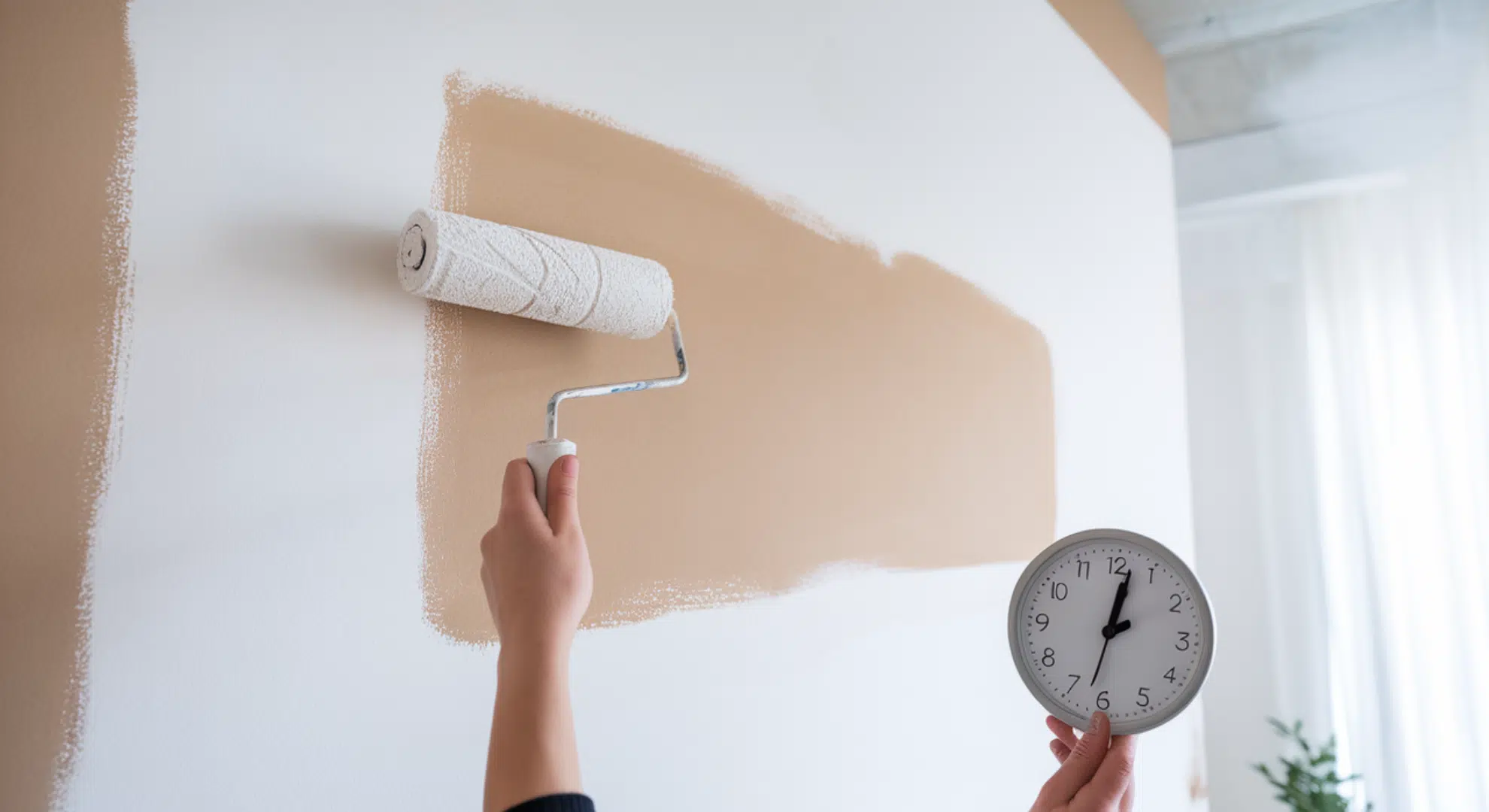
I didn’t know how long to wait between coats of paint when I first tried painting my room. I just kept going, thinking more paint would mean better coverage.
But the next day, the walls looked uneven, and some spots were still soft. That’s when I realized I’d messed up a simple rule.
If you’re painting soon, you need to get this right. The drying time depends on a few things, like what kind of paint you’re using, the surface, and the air around you.
I’ll break it down in this blog so you don’t end up making the same mistakes. You’ll learn what to watch for and how to get a smooth, lasting finish without wasting time.
The Basics Behind Paint Drying and Recoat Timing
Paint doesn’t just dry on the surface; it dries from the inside out. The first few minutes might feel dry to the touch, but underneath, it could still be soft.
That’s why recoat timing matters. If you add a second coat too soon, it can mix with the wet layer below, leading to peeling, streaks, or a sticky finish.
Drying time depends on the type of paint, how thick the coat is, and the room conditions, such as air, temperature, and moisture. Latex paint usually dries faster than oil-based paint, and thin coats dry more quickly than thick ones.
Always check the paint can for the brand’s suggested wait time. But don’t just rely on the clock, use your eyes and hands, too.
Knowing how paint dries helps you avoid common mistakes and makes your final coat look clean, smooth, and even. A little patience makes a big difference.
How Long to Wait Between Coats of Paint
The short answer? Most paints need 2 to 24 hours between coats. But the exact time depends on the type of paint you’re using. Some dry fast. Some take longer.
If you rush it, the next coat can mess up the one under it. You’ll end up with peeling, bubbles, or streaks. To avoid this, you need to know what kind of paint you’re using and what it needs.
Below, I’ll show the common types, so you know how long to wait and why it matters:
Latex and Water-Based Paint Drying Times
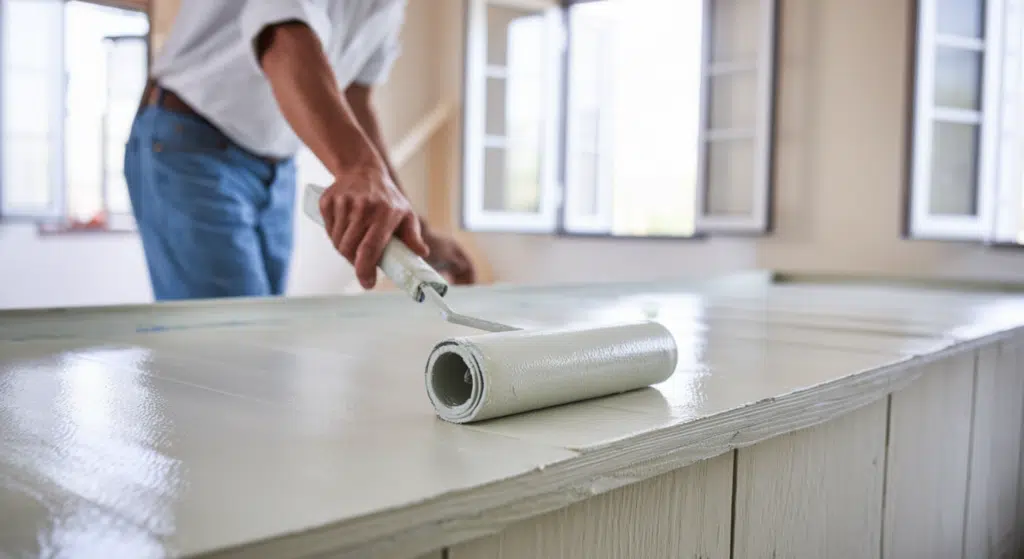
Latex and water-based paints are the most common. They usually dry fast. In most cases, you can wait about 4 hours before adding the next coat. But this depends on the room.
If the air is cold or humid, give it more time. Touch the wall; if it feels cool or soft, wait. Also, don’t rush even if it looks dry.
The top might be fine, but the bottom layers could still be soft. Let it dry all the way through before adding more paint.
Oil-Based Paint Drying Times
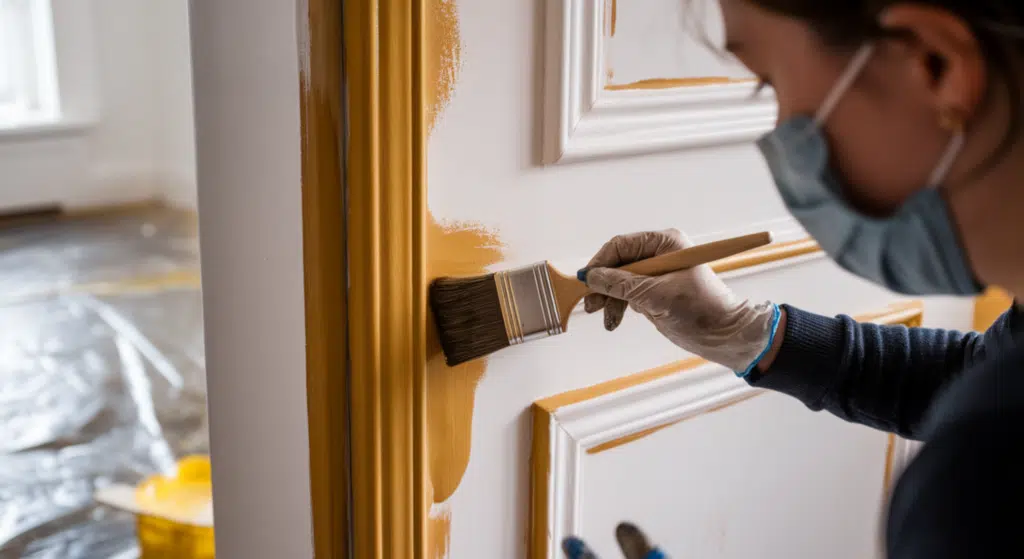
Oil-based paints take longer to dry. You’ll usually need to wait at least 24 hours before putting on another coat. These paints dry more slowly because of the oils in them.
They also leave strong smells, so keep the air moving in the room. If you touch the paint too early, it might feel sticky or tacky.
That means it’s not ready yet. You might want to use oil-based paints for trim or furniture, but be ready to wait longer between coats so the finish stays smooth and even.
Primer Recoat Times
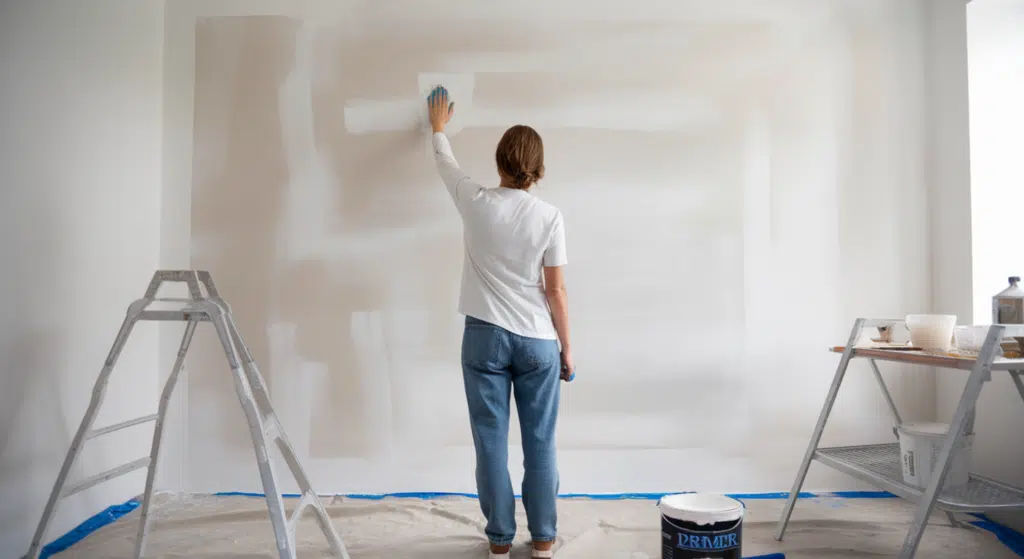
Primer acts like a base for your paint. It helps the color stick better and last longer. Most primers need 2 to 4 hours to dry before you paint over them. But again, check the label, it might vary.
Some quick-dry primers are ready in just an hour, while others take longer. If the primer still feels sticky or soft, give it more time. Don’t paint too soon.
That can make your top coat peel or look patchy. Waiting just a bit more helps everything stay in place.
When to Add More Drying Time
Sometimes, paint takes longer to dry than you’d expect. Cold rooms, rainy weather, or poor airflow can slow everything down. If your space feels damp or has no windows open, the paint may still be soft after the usual wait time.
In those cases, add a few extra hours or even wait overnight. Thick coats also take longer to apply, so try to keep them light. When in doubt, wait longer.
It’s better to be safe than to redo the whole thing because the second coat went on too early.
Factors That Change How Long Between Coats of Paint
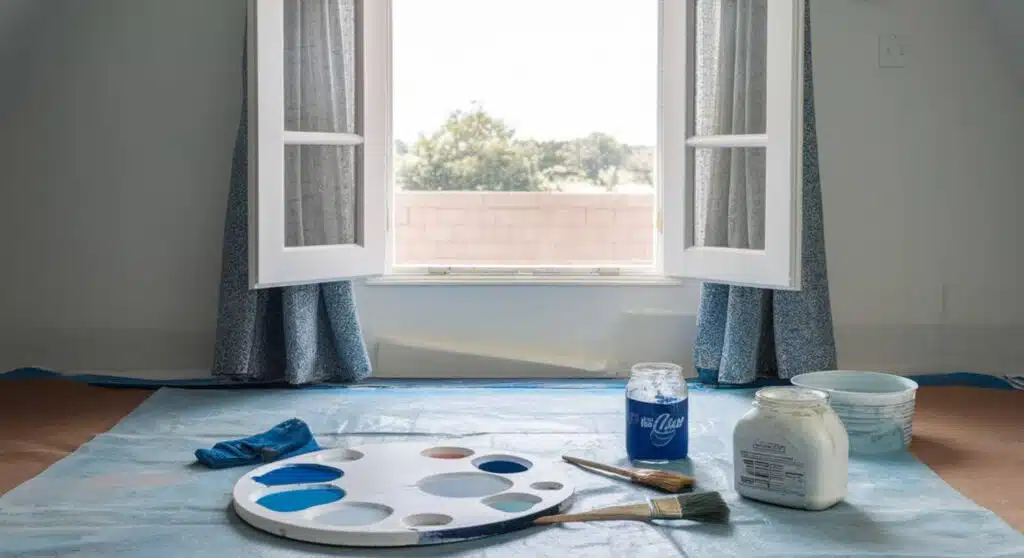
Not every paint job dries the same way, even if you’re using the same brand or color. The conditions in the room and how you apply the paint can affect how long it is safe to wait between coats.
If you’re not paying attention to the small stuff, like the air or how thick the paint goes on, you might end up redoing everything. Here’s what to watch for so your second coat goes on at the right time:
1. Temperature Levels
Temperature has a big effect on drying time. Most paints work best between 50°F and 85°F. If it’s too cold, the paint can take much longer to dry. If it’s too hot, it might dry too fast and not stick well.
Try to keep the room in the middle range. If you’re painting outside or near windows, check the weather first. Even inside, turning off fans or heaters that change the room temperature can help paint dry more evenly.
2. Humidity and Moisture in the Air
Humidity slows everything down. When the air is too humid, paint takes longer to dry. Even if the surface feels dry on top, the lower layers might still be wet.
High humidity can also cause streaks or peeling later. Try to paint when the air is dry. If it’s a rainy day or you’re in a damp space, add extra drying time between coats. Use a dehumidifier if needed; it helps the paint dry faster and more evenly.
3. Ventilation and Airflow
Good airflow helps paint dry. Without it, paint stays damp and sticky for longer. Open windows and doors if you can, or use fans to circulate air. Just don’t point them right at the wall – light, steady airflow is best.
If you’re painting in a closed space like a bathroom or closet, drying can take longer. Make sure the room doesn’t feel stuffy. Better airflow means less guesswork when you’re waiting between coats.
4. Paint Thickness and Application Style
The thicker the coat, the longer it takes to dry. If you use heavy strokes or overload the roller or brush, it adds extra hours to drying time. Thin, even layers dry faster and look smoother, too.
Some people try to get full coverage in one coat, but that usually backfires. You’re better off using two light coats and waiting in between.
Pay attention to how the paint goes on. Thick spots take longer and can cause problems later.
5. Paint Sheen
Different finishes dry at different speeds. Flat paint dries faster because it has less shine and fewer heavy ingredients. Gloss and satin paints take longer to dry because they contain more oils or resins.
These finishes also show mistakes more easily if they’re rushed. If you’re using gloss or satin, wait longer before recoating, even if it feels dry on top.
Always check the label, but if unsure, adding extra time is safer with shinier paints.
6. Room Type and Indoor Conditions
The room you’re painting can change everything. Bathrooms, kitchens, and basements often have more moisture and poor airflow. That slows down drying.
Bedrooms or living rooms with good space and airflow usually dry faster.
Also, painting near heaters, windows, or vents can affect drying spots. Try to keep the space steady, not too warm, not too cool, and not too damp. Think about what the room feels like while you’re in it; it’ll tell you how long between coats of paint to expect.
Surface-Specific Recoat Times for Best Results
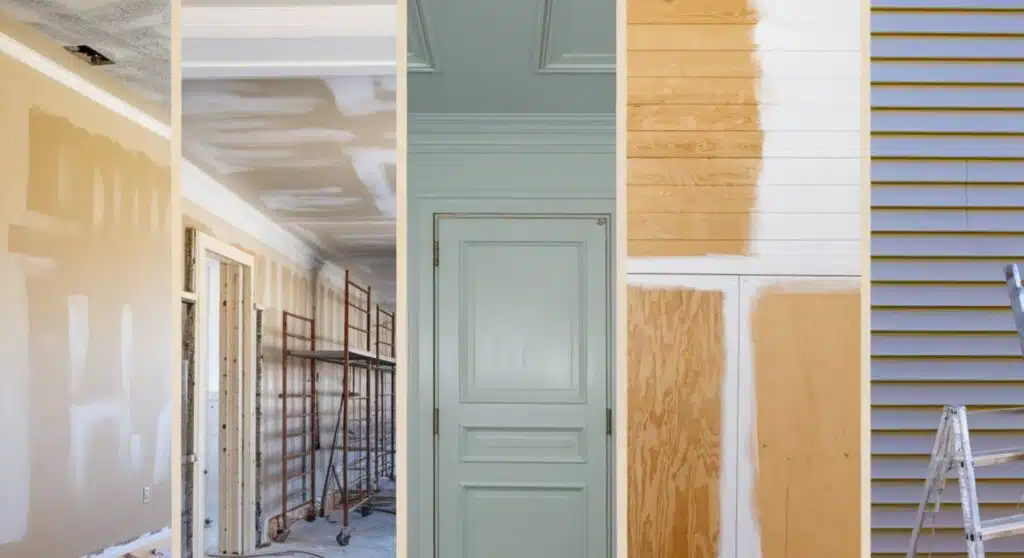
Different surfaces dry at different speeds. What works for a wall might not work for trim or cabinets.
Here’s how long to wait between coats, based on what you’re painting:
Walls
Walls usually dry faster, especially with latex paint. But don’t rush.
- Wait 4–6 hours between coats.
- Add time if the room is humid or cold.
- Use thin coats for smoother results.
If the wall feels cool or sticky, it’s not ready yet.
Ceilings
Ceilings take longer since paint sits still and dries more slowly.
- Wait 6–8 hours, or more if humid.
- Use flat paint to hide flaws and reduce drying issues.
- Avoid touching it while drying; mistakes show fast.
Extra drying time means fewer streaks and smoother coverage.
Trim and Baseboards
These areas often use thicker paint and need careful handling.
- Use oil or gloss paint, expect 24 hours to dry.
- Don’t load too much paint onto the brush.
- Sand lightly between coats for a smoother finish.
Take your time. Trim shows every mistake if you rush.
Doors and Cabinets
These get touched a lot, so dry time really matters.
- Latex: 6–8 hours.
- Oil-based: 24 hours.
- Keep doors open while drying to avoid marks.
Once fully dry, the second coat sticks better and looks cleaner.
Wood and Bare Surfaces
Bare wood soaks up paint, so the first coat needs more time.
- Prime first, always.
- Latex: wait 6–8 hours.
- Oil-based: wait 24 hours.
- Use thin coats to avoid drips and slow drying.
The second coat smooths it out, but only if the first is ready.
Exterior Surfaces
Outside surfaces are heavily influenced by the weather.
- Latex: 4–6 hours if warm and dry.
- Oil-based: 24 hours.
- Don’t paint before rain or during humid weather.
- Check that surfaces are dry before starting.
The right timing helps the paint hold up against sun, rain, and wind.
Brand-Specific Recoat Guidelines
Different paint brands suggest different wait times between coats. But that info can be hard to find or easy to overlook. Some paints dry quickly, while others, especially oil-based or glossy ones, take much longer.
To save you from redoing work, here’s a quick look at the drying times from some of the most-used paint brands.
This table gives you the basics so you can follow each brand’s advice and get smoother results:
| Brand | Product Type | Dry to the Touch | Ready for Second Coat |
|---|---|---|---|
| Sherwin-Williams | SuperPaint Interior Latex | 1 hour | 4 hours |
| Emerald Interior Latex | 1 hour | 4 hours | |
| ProClassic Oil-Based Enamel | 6–8 hours | 24 hours | |
| Benjamin Moore | Regal Select Interior Latex | 1–2 hours | 4 hours |
| Advance Waterborne Alkyd | 4–6 hours | 16–24 hours | |
| Ben Interior Paint | 1–2 hours | 3–4 hours | |
| Behr | Premium Plus Interior Latex | 1 hour | 2–4 hours |
| Marquee Interior | 1 hour | 2–4 hours | |
| Alkyd Semi-Gloss Enamel | 4–6 hours | 16 hours | |
| Rust-Oleum / Oil-Based | Protective Enamel | 2–4 hours | 24 hours |
| Zinsser Oil-Based Primer | 1–2 hours | 4–8 hours | |
| Varathane Polyurethane (Oil) | 4 hours | 24 hours | |
| Krylon (Spray) | COLORmaxx | 10 minutes | Within 1 hour or after 24 hours |
| Fusion All-In-One | 20 minutes | Within 2 hours or after 48 hours |
Even though these times come from the brands themselves, don’t forget: conditions like heat, moisture, and airflow can change everything.
If the paint feels cool, sticky, or soft, even after the suggested wait, give it extra time. A little patience can save a lot of sanding and starting over.
How to Tell If Your Paint is Ready for the Next Coat
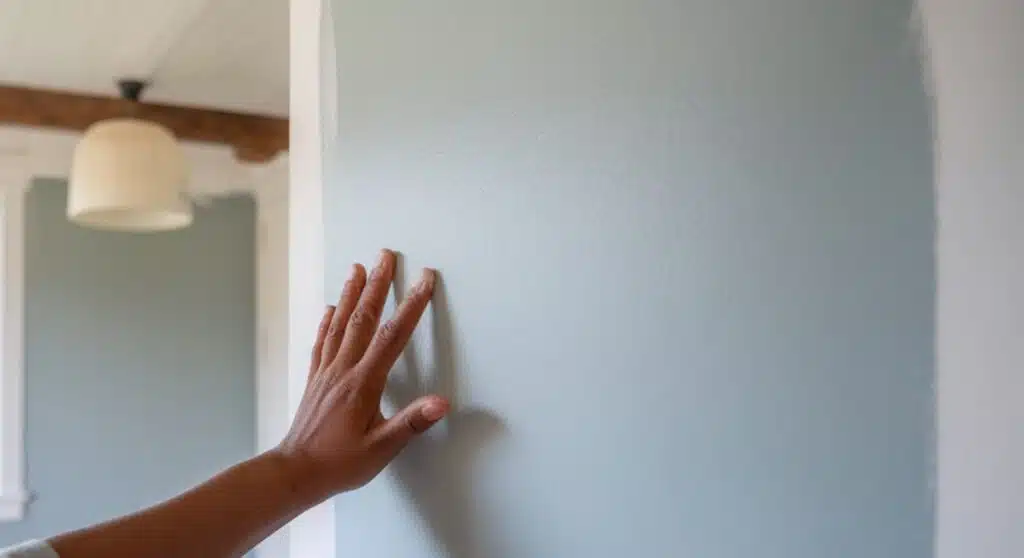
Knowing when your paint is fully dry can save you from mistakes like peeling or streaks.
One quick method is the touch test. Lightly place your fingers on the painted surface. If it feels cool, soft, or sticky, it’s not ready. It should feel dry and firm.
For trim, doors, or furniture, try the scratch test. Gently run a fingernail over a small spot. If paint comes off or leaves a mark, give it more time.
Also, check for visual signs. If the paint looks shiny or uneven in spots, it’s still drying. A fully dry coat will look even, matte or semi-gloss (depending on the sheen), and free of wet patches or color changes.
Use bright lighting if needed to spot any areas that still look different. Taking a few extra minutes to test helps you avoid needing to redo the whole project later.
What Happens If You Apply a Second Coat Too Soon?
Rushing to apply a second coat of paint might feel like a time-saver, but it often causes more problems than it solves.
One of the most common issues is peeling or lifting paint. When the first layer hasn’t dried fully, the second coat can pull it away from the wall. This leaves behind flakes, bubbles, or rough spots that don’t hold up over time.
Another problem is uneven color. Some areas might look darker, streaky, or patchy. That’s because the second layer mixes with the wet paint beneath rather than sitting smoothly on top.
It can also cause the paint to feel sticky or tacky for days, even if it looks dry. This sticky surface traps dust, shows fingerprints, and may stay soft longer than expected.
If you do paint too soon, give it time to dry. Then sand lightly, clean the surface, and reapply a fresh coat once everything is fully dry.
Simple Ways to Make Paint Dry Faster Between Coats
Waiting between coats can feel slow, especially in damp or cool rooms. These simple ways to help paint dry faster without messing up the finish:
- Use fans to move air around, not directly at the wall
- Place fans in corners or doorways for steady airflow
- Open windows if the weather is dry and mild
- Use a dehumidifier to pull moisture from the air
- Keep indoor humidity below 50% if possible
- Use a space heater safely—keep it away from walls and paint cans
- Paint in thinner coats to help each layer dry quicker
- Avoid painting in thick layers or touching up wet spots
Speeding up drying doesn’t mean rushing. It means creating better conditions so the paint sets the right way—and the next coat goes on smoothly.
Conclusion
I’ve learned that waiting the right amount of time between coats of paint makes all the difference. When I rushed, I ended up with peeling, sticky spots, or patchy color.
Once I slowed down and followed the right timing, my paint jobs looked smoother and lasted longer. That one change saved me time and effort in the long run.
Now it’s your turn. Think about what you’ve read, and use it on your next project. Pay attention to how long to wait between coats of paint, check for dryness, and don’t skip the simple tests.
A little patience now will give you better results later. If this helped you, check out the other blogs for more easy tips and advice to make your painting jobs easier and cleaner!